







As the monsoon season makes way for drier autumn air, you might notice something unsettling: more hair in your brush and shower drain. Don't panic. This post-monsoon hair fall is a common phenomenon known as seasonal shedding.
Why Your Hair Sheds After the Rains
This sudden increase in hair
fall is often a form of temporary shedding called telogen effluvium. Throughout the year, your hair cycles through phases of growth, transition, and rest. At any given time, about 5-10% of your hair is in the resting (telogen) phase, after which it naturally sheds. The environmental stressors of the monsoon—high humidity, scalp buildup from sweat and oils, and even fungal growth—can push a larger-than-normal number of hair follicles into this resting phase prematurely. Then, as the weather shifts a couple of months later, all that resting hair sheds at once, leading to a noticeable increase in hair fall. This is your body's physiological response to seasonal change, not a sign of permanent hair loss.
Reset Your Scalp Health
A healthy scalp is the foundation of healthy hair. The high humidity during the monsoon can create an ideal environment for oil buildup, dandruff, and fungal infections, all of which weaken hair roots. Transitioning into the post-monsoon season is the perfect time for a scalp reset. Start with a thorough but gentle cleansing routine, washing your hair two to three times a week with a mild, sulphate-free shampoo to clear away any lingering buildup without stripping natural oils. If you struggle with dandruff, consider a shampoo with antifungal properties. A weekly clarifying shampoo can also help remove mineral deposits from hard water, which can make hair brittle.
Focus on Hydration and Nourishment
The shift from the damp, humid monsoon air to the drier autumn climate can strip moisture from your hair and scalp, leading to brittleness and breakage. Combat this by incorporating deep hydration into your routine. Always follow your shampoo with a nourishing conditioner, applying it to the mid-lengths and ends to lock in moisture and reduce frizz. Once a week, treat your hair to a deep-conditioning mask with ingredients like coconut oil, argan oil, or aloe vera to replenish lost moisture and improve elasticity. A light oil massage with coconut or rosemary oil before washing can also boost circulation and reduce protein loss from the hair shaft.
Adjust Your Post_Wash Habits
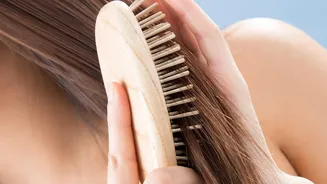
How you handle your hair after washing is crucial, especially when it's in a fragile state. Wet hair is more vulnerable to breakage, so avoid rubbing it aggressively with a regular towel. Instead, gently squeeze out excess water with a soft microfibre towel or an old t_shirt. Use a wide_toothed comb to detangle, starting from the ends and working your way up to the roots to minimise pulling. It's also wise to reduce heat styling during this period. Let your hair air_dry when possible, or use a hairdryer on a low_heat setting. Tight hairstyles like high ponytails or buns can also put stress on weakened follicles, so opt for looser styles.
Strengthen Hair From the Inside Out
What you eat plays a significant role in your hair's health and resilience. To support the hair growth cycle and strengthen your strands, focus on a balanced diet. Ensure you are getting enough protein (found in lentils, paneer, and eggs), as hair is primarily made of a protein called keratin. Iron, zinc, and biotin are also vital for strong hair follicles ; you can find these in leafy greens, nuts, and seasonal fruits. Staying hydrated by drinking plenty of water is equally important for both scalp and hair health. If you suspect nutritional gaps , a professional can help you identify any deficiencies.