



A Land Reborn and Ready to Explore
The period immediately following the monsoon, especially November, is arguably one of the best times to witness India's wilderness. After months of heavy rain, the entire ecosystem is rejuvenated. Water bodies like lakes, rivers, and seasonal streams
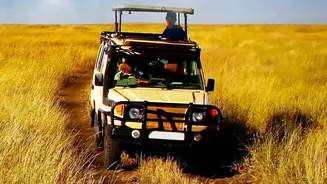
are full, and the vegetation is a vibrant, deep green. This not only creates breathtaking scenery for safaris but also fundamentally changes animal behaviour. Most national parks, which remain closed during the peak monsoon months from July to mid-October due to inaccessible, muddy tracks, reopen their gates to visitors. November offers a perfect sweet spot: the weather is cool and pleasant, with low humidity, making morning and afternoon safaris comfortable experiences.
The Science of Better Sightings
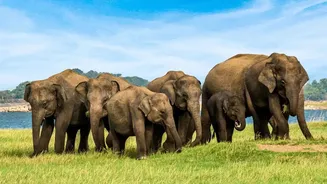
So, why exactly are animal sightings more frequent and dramatic in November? It comes down to a few key ecological factors. With water sources plentiful, animals that may have dispersed widely or remained hidden during the dry season now congregate more predictably around these replenished lakes and rivers to drink. The abundance of fresh grass and foliage also draws out large herds of herbivores like deer and elephants. Predators, in turn, are never far behind their prey. While the forest is lush, the initial post-monsoon vegetation is not yet the impenetrable thicket it might become later. In many parks, particularly in Central India, the undergrowth is still manageable, offering clearer lines of sight. The pleasant temperatures also mean that many animals, including the often-elusive tiger, are more likely to be active during the daylight hours, sometimes seen basking in the mild winter sun.
Where to Go: Top Parks in November
With parks across the country welcoming visitors, it can be hard to choose. Here are some of the premier destinations that truly shine during the post-monsoon window, each offering a unique wildlife experience.
Jim Corbett National Park, Uttarakhand
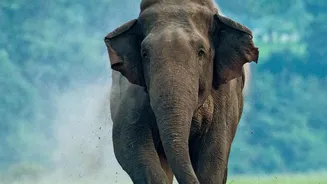
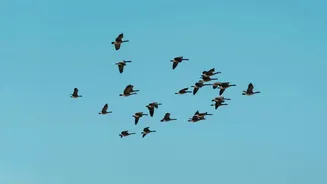
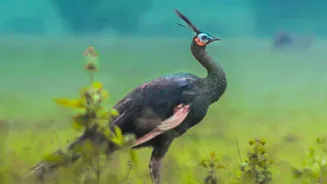
India's oldest national park is a fantastic choice for November. By the middle of the month, all its famous zones, including the core Dhikala zone, are open to tourists. The landscape, a mix of dense sal forests and sprawling grasslands known as 'chaurs', is incredibly scenic after the rains. The Ramganga River, flowing through the park, is a hub of activity. Corbett is renowned for its healthy populations of tigers and Asiatic elephants. The cooler weather encourages these majestic animals to be more active, increasing the chances of a memorable sighting. November also marks the arrival of migratory birds, making it a paradise for birdwatchers.
Kaziranga National Park, Assam
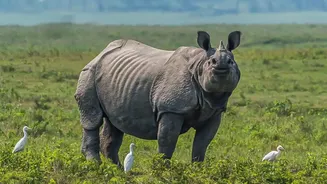
A UNESCO World Heritage Site, Kaziranga reopens in November after the annual floods caused by the Brahmaputra River have subsided. This flooding, while destructive, is essential for rejuvenating the park's vast grasslands. Post-monsoon, these grasslands are at their most nutritious, attracting the park's most famous resident: the Indian one-horned rhinoceros. With a thriving population of over 2,600, sightings are almost guaranteed. The mild, dry weather is perfect for open-jeep safaris to spot rhinos, wild water buffalo, swamp deer, and a diverse array of birdlife.
Bandhavgarh and Kanha National Parks, Madhya Pradesh
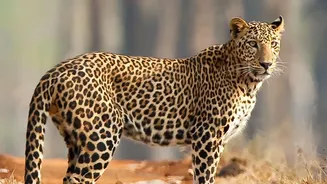
Often called the 'tiger state' of India, Madhya Pradesh's parks are exceptional in November. Bandhavgarh, known for having one of the highest densities of tigers in the country, offers lush green landscapes as a stunning backdrop for wildlife photography. Similarly, the vast sal forests and meadows of Kanha, the inspiration for 'The Jungle Book', teem with life. Beyond tigers, you can spot leopards, sloth bears, and the rare barasingha (hard-ground swamp deer), which is found only in Kanha. The comfortable climate allows for extended safari drives, maximizing your time in the wilderness.
Periyar National Park, Kerala
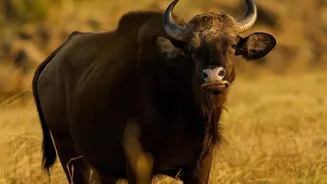
While many parks close for the monsoon, Periyar in Kerala remains open year-round. However, the post-monsoon period is particularly beautiful. The landscape is a rich emerald, and the weather is cool and pleasant. The park's unique feature is the boat safari on Periyar Lake, where you can watch herds of elephants, sambar deer, and gaur (Indian bison) come to the water's edge to drink. It offers a different, more serene safari experience compared to the jeep-based tours in other parts of the country, with the added beauty of the rain-fed forests of the Western Ghats.