




The Undisputed Reign of Biryani
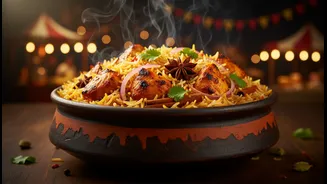
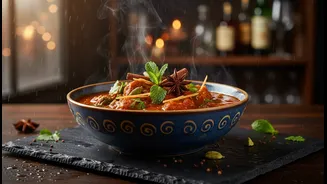
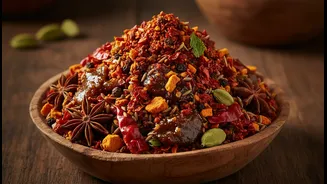
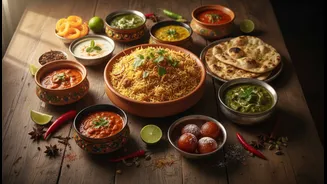
In the grand theatre of Indian cuisine, biryani is the perennial headliner. Year after year, it is the most-ordered dish on food delivery platforms, a testament to its universal appeal across the length and breadth of the country. From the spicy Hyderabadi
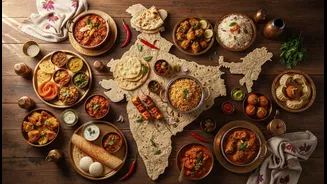
version to the subtly aromatic Lucknowi and the potato-laden Kolkata style, each region has its own proud rendition. It's a complete meal in a bowl, a symbol of celebration, and a culinary unifier. This consistent, nationwide adoration has cemented biryani's status, creating a shared cultural experience that few other dishes can claim. It's the benchmark against which other festive dishes are measured, a constant presence at weddings, family gatherings, and casual weeknight dinners alike.
Paving the Way for Pulao and its Cousins
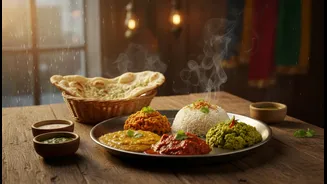
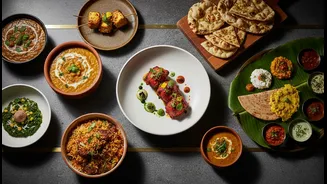
The immense popularity of biryani has had an interesting side effect: it has opened up the palates of a generation of food lovers to the potential of complex, one-pot rice dishes. While biryani often involves layering separately cooked rice and meat or vegetables, its simpler cousin, pulao, is also seeing a resurgence. But the exploration doesn't stop there. Diners are now discovering a wealth of regional treasures. Dishes like tehri, a flavourful vegetable and rice pilaf from Uttar Pradesh, and the tangy tamarind rice known as puliyodarai or pulihora from the South are gaining new fans. This growing interest is encouraging restaurants and home cooks to look beyond the usual suspects and explore the rich tapestry of regional rice preparations that have long been staples in local communities.
The Renaissance of Heritage Grains
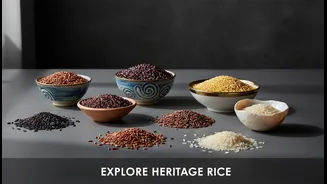
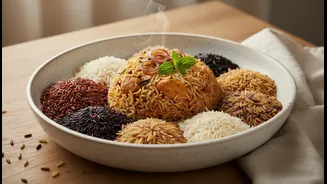
Perhaps the most significant trend blossoming in biryani's afterglow is the revival of indigenous and heritage rice varieties. For decades, polished white rice dominated the market. Now, a movement led by farmers, chefs, and health-conscious consumers is bringing back ancestral grains once on the brink of extinction. Varieties like the nutty-flavoured black rice from Manipur (Chak-Hao), the hardy red Kullakar from Tamil Nadu, and fragrant small-grained varieties like Seeraga Samba and Gobindobhog are becoming prized ingredients. This shift is driven by a desire for more diverse flavours, superior nutritional profiles, and climate-resilient crops. As consumers become more food-literate, they are seeking out rice with a story, one that connects them to a specific region and tradition.
Rice Reimagined in Modern Kitchens
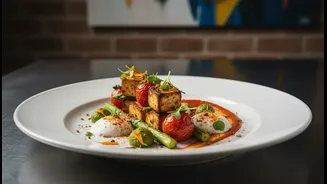
The trend extends into the world of modern Indian gastronomy, where chefs are deconstructing and reimagining the role of rice. It's no longer just a base for a curry or the star of a biryani. Innovative restaurants are showcasing rice in exciting new forms. We're seeing crispy rice pancakes, fermented rice batters used for savoury snacks, and puffed rice salads. Modern Indian restaurants are taking inspiration from regional preparations and giving them a contemporary twist, focusing on presentation and global techniques. Dishes like the Bengali doodh bhaat (milk rice) or the comforting khichdi are being elevated with premium ingredients and refined plating, introducing them to a new audience. This creative approach is helping to redefine rice as a versatile ingredient capable of being both comfort food and haute cuisine.
From Our Plates to Our Feeds
This rice renaissance is also being fuelled by social media. Food bloggers and Instagram influencers are uncovering and popularising hyper-regional dishes, turning a simple bowl of rice into a photogenic star. The visual appeal of colourful dishes like lemon rice, the unique texture of South Indian curd rice topped with pomegranate seeds, or the dark allure of black rice kheer makes them highly shareable. This digital spotlight helps lesser-known dishes travel far beyond their regions of origin, creating a virtual community of food lovers eager to explore and experiment. As a dish goes viral online, it creates real-world demand, encouraging restaurants to add it to their menus and home cooks to try the recipes, completing the cycle of this delicious trend.