







The Lure of 'Diet' Snacks
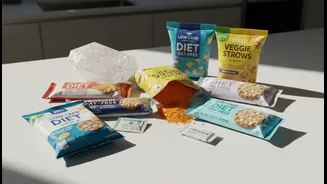
In the quest for weight loss, the supermarket aisle of packaged “diet” snacks can feel like a safe haven. With claims like “low-fat,” “low-calorie,” or “sugar-free,” these products promise guilt-free indulgence. You can have your snack and eat it too,
without derailing your progress. Or so the packaging implies. The reality, however, is often more complex. Many of these snacks, while perhaps lower in calories, are engineered in a way that can subtly sabotage your long-term goals. They are designed to be intensely pleasing, a quality that scientists call hyper-palatability. This isn't about simply tasting good; it’s about hitting a specific, scientifically determined “bliss point” that your brain finds nearly irresistible, a trait they share with junk foods like chips and cookies.
What Exactly Is Hyper-Palatability?
Hyper-palatability is not just a buzzword; it's a scientific concept. Researchers define hyper-palatable foods as those containing specific combinations of fat, sugar, sodium, and carbohydrates that don't typically occur in nature. These combinations are engineered to be exceptionally rewarding. There are generally three categories: fat and sodium (like in hot dogs or bacon); fat and sugar (like in cake or ice cream); and carbohydrates and sodium (like in crackers or pretzels). These formulations are designed to stimulate the brain’s reward system, triggering a release of dopamine, the “pleasure chemical.” This effect can make it difficult to stop eating, even when you're no longer hungry. Research from the University of Kansas found that a staggering 62% of foods in the US, including 49% of those marketed with low-fat or low-calorie claims, meet the criteria for being hyper-palatable.
The Brain on Diet Snacks
When you eat a hyper-palatable diet snack, it sends a powerful signal to your brain. The intense combination of flavours activates the same reward circuits involved in more addictive behaviours. This creates a potent feeling of pleasure and reinforcement, making you want to repeat the experience. Over time, constant exposure to these intense flavours can desensitize your dopamine receptors. This means you need more of the same stimulus to get the same feeling of reward, a hallmark of addictive patterns. Furthermore, these foods can interfere with your body's natural hunger and satiety signals. They can bypass the mechanisms that tell your brain you are full, leading you to consume more calories than you intended or need.
How This Derails Your Diet
The problem with hyper-palatable diet snacks is twofold. First, they encourage overconsumption. Because they are designed to be hard to stop eating, a single-serving package can easily turn into two or three. While the per-serving calorie count might be low, the total intake can quickly add up, counteracting any intended benefit. Second, they can increase your cravings for other sweet, salty, and fatty foods. By training your palate and brain to expect intense rewards, these snacks can make naturally healthy foods like fruits and vegetables seem bland and unappealing. This can lead to a cycle where you find it harder to make healthy choices, feeling constantly drawn to the processed, hyper-palatable options that offer that instant gratification. Studies show that a high intake of these foods is linked to increased calorie consumption and weight gain.
Breaking Free From the Trap
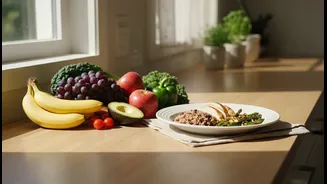
Escaping the hyper-palatability trap doesn't mean you can never have a snack again. It’s about shifting your focus towards more wholesome, less processed options. Instead of reaching for a packaged bar, consider snacks that don't rely on an engineered combination of ingredients. Plain Greek yogurt, a handful of raw nuts, a piece of fruit, or vegetables with hummus are excellent choices. These foods provide nutrients and fiber that promote genuine satiety. When you do buy packaged snacks, become a savvy label reader. Look for short ingredient lists with recognizable whole-food components. Be wary of long lists of additives, flavourings, and various forms of sugar and salt. The goal is to retrain your palate to appreciate the natural, subtle flavours of real food, which provides a more sustainable path to long-term health and weight management.