







The Allure of the Long Holiday
For decades, the classic South-East Asian adventure, particularly for travellers from India, was imagined as a month-long, unhurried journey. The idea was simple: with affordable living costs, you could spend weeks exploring everything from Bangkok's
temples to the beaches of Phuket and the mountains of Chiang Mai. This type of slow travel promises deep immersion and the freedom to be spontaneous. However, the very nature of a long trip can create a financial trap that many don't see coming, especially as the psychology of 'vacation mode' kicks in.
The Psychology of Holiday Overspending
On a long trip, small expenses have a way of multiplying. It’s a phenomenon behavioural economists call 'mental accounting', where 'vacation money' feels different from regular money. You might start with a strict budget, but after two weeks, the justification of “I’m on holiday” or “I might never be back here” makes it easier to splurge on a nicer meal, an extra tour, or a private taxi instead of the local bus. This 'budget creep' is subtle. Each individual purchase seems small, but over 20 or 30 days, these decisions can lead to a significant financial hangover long after the tan has faded. People often underestimate daily costs by a wide margin, budgeting for essentials but not for the impulse buys and convenience splurges that define vacation spending.
The Case for a Strategic Short Trip
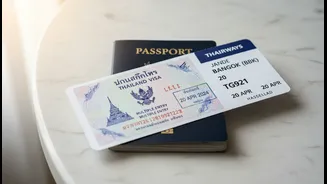
A shorter trip—say, 7 to 10 days—forces a different mindset. It’s not a compromise; it's a strategic choice. With limited time, you are forced to prioritize. You choose one or two regions to explore deeply instead of trying to see the entire country, which reduces costly travel days and domestic flights. A recent decision by the Thai government illustrates how travel patterns are being considered. After confusion in May 2026 over scrapping a 60-day visa-free stay for Indians, the government has since clarified it will offer 30-day visa-exempt entries, aligning with the typical shorter travel behaviour of this large market. This makes shorter, more frequent trips a logistically smooth option.
How the Numbers Add Up
Let's compare two mid-range travel styles, excluding international flights. A mid-range daily budget in Thailand can be around $80-$120 (approx. ₹6,700–₹10,000), covering a comfortable hotel, restaurant meals, and some activities. Long Trip (20 days): Daily Spend: 20 days x $100/day = $2,000 (approx. ₹1,67,000) Internal Travel (3 flights/buses): ~$300 (approx. ₹25,000) Total Estimated Cost: $2,300 (approx. ₹1,92,000) Short Trip (8 days): Daily Spend: 8 days x $100/day = $800 (approx. ₹67,000) Internal Travel (1 flight/bus): ~$100 (approx. ₹8,400) Total Estimated Cost: $900 (approx. ₹75,400) The shorter trip isn't just cheaper overall—it frees up a significant portion of your budget. This allows you to either save money or elevate your experience. With the money saved, you could upgrade to a luxury hotel for a few nights, book a unique private tour, or enjoy fine dining experiences that might feel too extravagant on a longer, budget-conscious journey. A shorter timeframe makes splurging on a special experience feel less indulgent and more manageable.
Maximising a Compact Itinerary
Planning a shorter trip is also less stressful. Instead of a sprawling, multi-city plan, you can focus on a single region. For a 7-day trip from India, you could choose to either explore the dynamic duo of Bangkok and Pattaya or fly directly to Phuket or Krabi for a dedicated beach holiday. This focus minimises time and money wasted on travel and maximises your time enjoying the destination. Booking hotels and key tours in advance becomes easier and often cheaper. With less to organise, you're less likely to feel overwhelmed and more likely to return home feeling refreshed and financially sound.