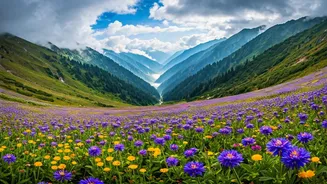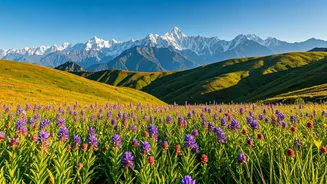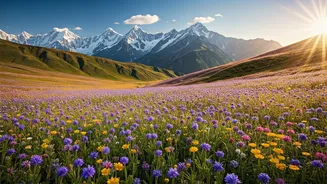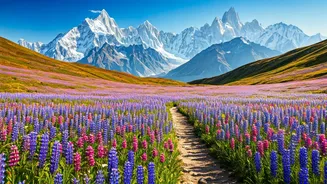



A Symphony in Full Bloom
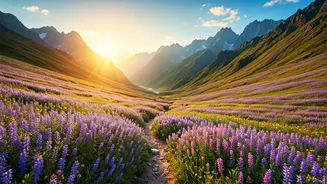
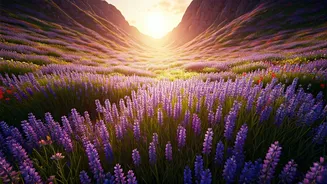
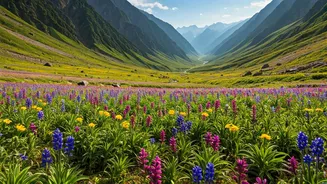
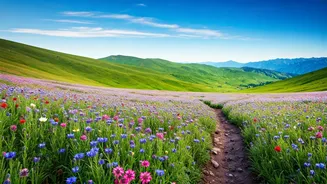
When we say "peak bloom," it's not an exaggeration. For a very specific window, typically from mid-July to mid-August, this alpine meadow transforms into a living tapestry of over 500 species of wildflowers. Unlike a manicured garden, this is nature at its
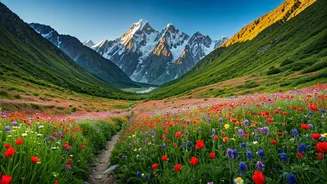
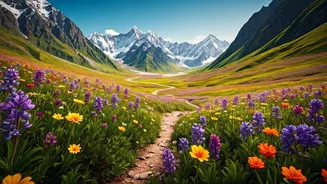
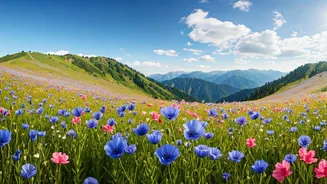
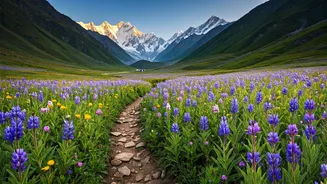
most raw and spectacular. Waves of blue poppies, pink potentillas, and yellow marsh marigolds create a surreal landscape against the backdrop of snow-dusted peaks. The sheer density and diversity of the flora are what make this period so absolute. It’s not just about seeing flowers; it’s about being completely enveloped by them, with their fragrance carried on the cool mountain air. This is the valley's grand performance, and arriving during this time means you have a front-row seat.
Nature's Perfect, Fleeting Window
The magic of the peak bloom is its fleetingness. The phenomenon is entirely dictated by the monsoon. As the rains arrive in the Garhwal Himalayas, they awaken the dormant seeds and roots buried under the winter snow. The valley, which is barren for most of the year, explodes with life. This narrow window is what makes the experience so precious. Go too early, and the colours are sparse. Go too late, and the plants have already begun to wilt and seed for the next cycle. The monsoon creates the perfect conditions—abundant water, mild temperatures, and high humidity—that allow these delicate alpine flowers to thrive. This ephemeral quality, the knowledge that this vibrant display will vanish in a matter of weeks, adds a profound sense of urgency and wonder to the visit.
More Than a Meadow: A UNESCO Heritage Site
The Valley of Flowers is not just a beautiful spot; it's a site of global ecological importance. As part of the Nanda Devi Biosphere Reserve, it was declared a UNESCO World Heritage Site in 2005. This designation protects its unique ecosystem, which includes not just the flowers but also rare and endangered animals like the Asiatic black bear, snow leopard, and blue sheep. The protection means the valley remains pristine and untouched by commercialisation. There are no hotels or permanent structures within its core zone. Visitors trek in for the day and must trek back out, ensuring the fragile environment is preserved. This commitment to conservation means you are experiencing the valley as it has existed for centuries—a wild, untamed sanctuary.
The Journey Is Part of the Spectacle
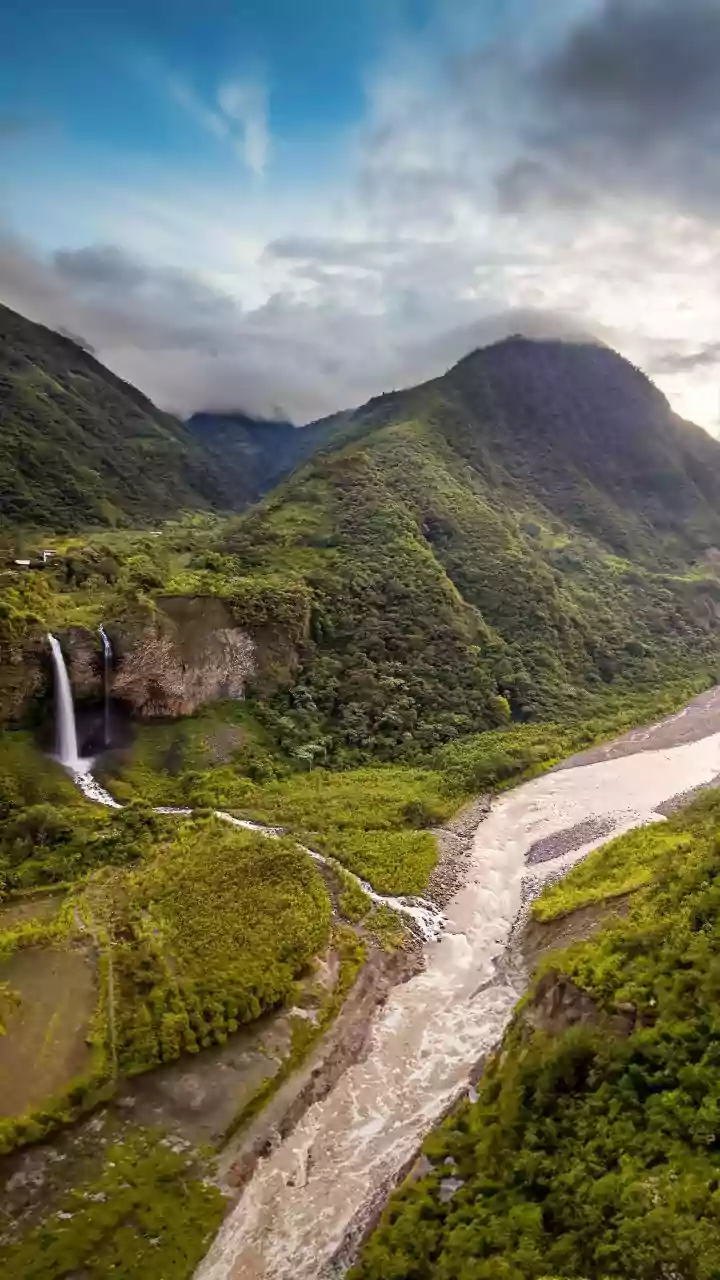
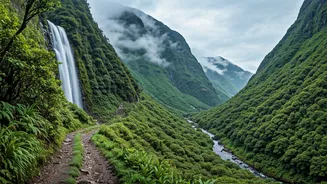
Reaching the Valley of Flowers is a pilgrimage in itself, and the trek is an integral part of what makes the experience so profound. The journey typically begins from the village of Govindghat, followed by a trek to Ghangaria, which serves as the base camp. Ghangaria is a bustling hub for pilgrims heading to Hemkund Sahib and trekkers bound for the valley. From here, a relatively gentle 3-4 kilometre trek leads you to the official entrance of the valley. The path itself is breathtaking, winding alongside the gushing Pushpawati River and offering glimpses of waterfalls and towering cliffs. This gradual ascent allows you to acclimatise and builds anticipation, making the final reveal of the flower-carpeted expanse even more rewarding. It’s a journey that purifies the mind and prepares the soul for the beauty ahead.
Spotting the Stars of the Show
While the entire valley is a spectacle, certain flowers have achieved legendary status. The most sought-after is the elusive Blue Poppy (Meconopsis aculeata), a vibrant blue flower that seems to capture the very essence of the sky. Then there's the Brahma Kamal (Saussurea obvallata), the state flower of Uttarakhand, which blooms at night at higher altitudes and is considered sacred. You'll also find fields of Geraniums, Potentillas, and the cobra-head-shaped Cobra Lily (Arisaema). Each flower has its own story and preferred spot in the valley, turning a simple walk into a treasure hunt for botany enthusiasts and casual admirers alike. A knowledgeable guide can point out these stars and explain their medicinal and cultural significance, adding another layer to your exploration.