



Vehicle Health: Your First Priority
Before you even think about packing your bags, your vehicle needs a thorough check-up. Post-monsoon roads are notoriously unpredictable, and a breakdown in a remote area is a serious issue. Start with the absolute essentials: tyres, brakes, and wipers.
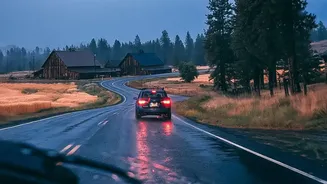
Ensure your tyres have adequate tread depth for gripping wet and slippery surfaces. Worn-out tyres significantly increase the risk of skidding. Have your brake pads and fluid checked; stopping distances can increase dramatically on wet roads. Finally, replace hardened or streaky wiper blades and top up your washer fluid for clear visibility during sudden showers or foggy conditions. Also, check all lights—headlights, fog lamps, and brake lights—as visibility can drop in minutes.
The Essential Emergency Kit
Your car's emergency kit is your lifeline if things go wrong. Beyond a standard first-aid kit, a post-monsoon mountain drive requires specific tools. Pack a sturdy tow rope, jumper cables, and a basic toolkit including pliers and a screwdriver set. A portable tyre inflator and a puncture repair kit can be invaluable. Given the risk of landslides and road blockages, which can cause long delays, you must carry extra supplies. This includes at least a few litres of drinking water and non-perishable, high-energy snacks like granola bars and dry fruits. A powerful torch with spare batteries, or a headlamp, is non-negotiable for any night-time issues.
Navigation and Communication
Do not rely solely on your phone's network for navigation. In many mountain regions, especially remote ones, mobile connectivity is patchy or non-existent. Before you leave, download offline maps of your entire route on Google Maps or a similar app. A dedicated GPS device is an even more reliable backup. Communication is just as critical. Carry a fully charged power bank (at least 20,000 mAh) to keep your devices running, as cold weather can drain batteries faster. In areas with known network issues, having a postpaid SIM card can sometimes provide better connectivity than prepaid ones. Inform a friend or family member of your detailed itinerary and expected return time.
Personal Health and First-Aid
A well-stocked first-aid kit is crucial. Include standard items like bandages, antiseptic wipes, and pain relievers. For mountain travel, add medications for motion sickness, diarrhoea, and allergies. Carry any personal prescription medications with enough supply for a few extra days in case of delays. Sunscreen with high SPF and UV-protection sunglasses are vital, as the sun's intensity is stronger at high altitudes, even on cloudy days. A good quality insect repellent is also a must, especially when stopping near water bodies or forested areas.
Clothing and Comfort Items
The key to comfort in the mountains is layering. Weather can change rapidly, so pack clothes you can add or remove easily. Start with a moisture-wicking base layer, add a fleece or warm sweater for insulation, and top it with a waterproof and windproof outer jacket. Avoid heavy fabrics like denim that take a long time to dry. Pack extra pairs of socks, preferably woollen ones, to keep your feet warm and dry. A pair of sturdy, waterproof shoes with good grip is essential. For inside the car, a few microfibre cloths are great for quickly wiping fog from the interior of the windshield.