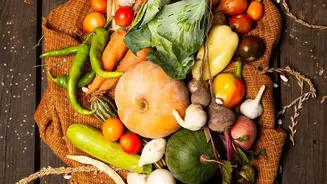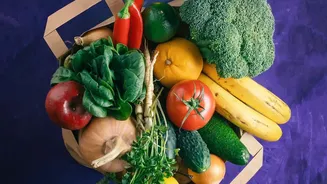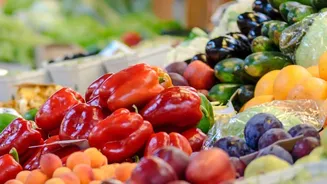







As the air turns crisp, our local markets transform. November brings a bounty of hearty, colourful produce. But beyond the vibrant displays lies a simple truth: eating seasonally means better flavour, richer nutrients, and even savings.
The Science of Superior Flavour
Have you ever wondered
why a winter carrot tastes so much sweeter than one bought in summer? The answer lies in the plant's natural life cycle. Seasonal produce is harvested at its absolute peak, having been allowed to ripen fully on the vine or in the ground. This natural ripening process allows the plant to develop the complex sugars and aromatic compounds that create deep, authentic flavour. Out-of-season produce, by contrast, is often picked early to withstand long-distance shipping. It's then artificially ripened using gases, a process that might create the right appearance but can't replicate the rich taste developed through natural maturation. When you buy what’s in season, you're tasting the food as nature intended: fresh, vibrant, and full of life.
A Peak-Season Nutritional Punch
The benefits of seasonal eating go far beyond taste. From the moment a fruit or vegetable is harvested, its nutritional value begins to decline. Key vitamins, especially water-soluble ones like Vitamin C and B vitamins such as folate, are sensitive to heat, light, and oxygen. The longer the journey from farm to table, the greater the nutrient loss. One study noted that some vegetables can lose anywhere from 15% to over 75% of their Vitamin C within a week of being refrigerated. Because seasonal produce is often local, it spends less time in transit and storage, meaning more of those vital nutrients make it to your plate. When fruits and vegetables are allowed to mature fully in their ideal environment, they become more nutrient-dense, packing more vitamins and antioxidants into every bite.
Your Guide to November's Bounty in India
So, what should you be looking for in Indian markets this month? November is a fantastic time for both leafy greens and hearty roots. Look for vibrant bunches of spinach (palak), fenugreek (methi), and mustard greens (sarson), all of which are hitting their peak. Root vegetables like carrots, radishes, turnips, and sweet potatoes are also in abundance. It’s also a prime month for cauliflower, which is perfect for everything from classic curries to roasted side dishes. On the fruit front, the cooler weather ushers in the citrus season. Keep an eye out for the first juicy oranges. Pomegranates and guavas are also excellent choices right now, offering a sweet and tangy counterpoint to the season's savoury vegetables.
Friendlier to Your Wallet and the Farmer
Eating seasonally isn't just good for your body; it's also good for your budget. The basic law of supply and demand means that when a crop is abundant, its price naturally falls. Farmers have a surplus to sell, and the reduced costs of transportation and storage for local goods are passed on to the consumer. This makes filling your basket with healthy, fresh food more affordable. Furthermore, buying seasonal produce often means you're supporting local farmers. Your spending contributes directly to the local economy, helping to sustain agricultural jobs and strengthen community food systems. It's a simple way to connect with the people who grow your food while ensuring you get the freshest products available.