





A New Kind of Pilgrimage
A significant cultural shift is underway in how young Indians perceive travel. The classic pilgrimage, once seen as an activity for older generations, is being redefined. For a growing number of millennials and Gen Z, it's no longer about strict religious
obligation but about personal growth, mental peace, and self-discovery. They are swapping nightclub-centric holidays for what's being termed 'shrinecations'—trips that blend spiritual exploration with leisure. This new generation of travellers is seeking experiences that feel meaningful and offer a respite from the high-pressure demands of modern life. This isn't about abandoning fun; it's about finding a deeper, more resonant form of it along the ancient ghats of Varanasi or in the serene yoga ashrams of Rishikesh.
The Monsoon's Mystical Allure
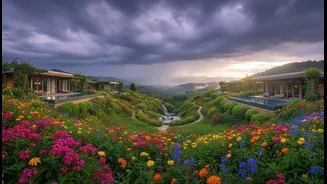
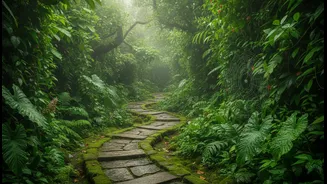
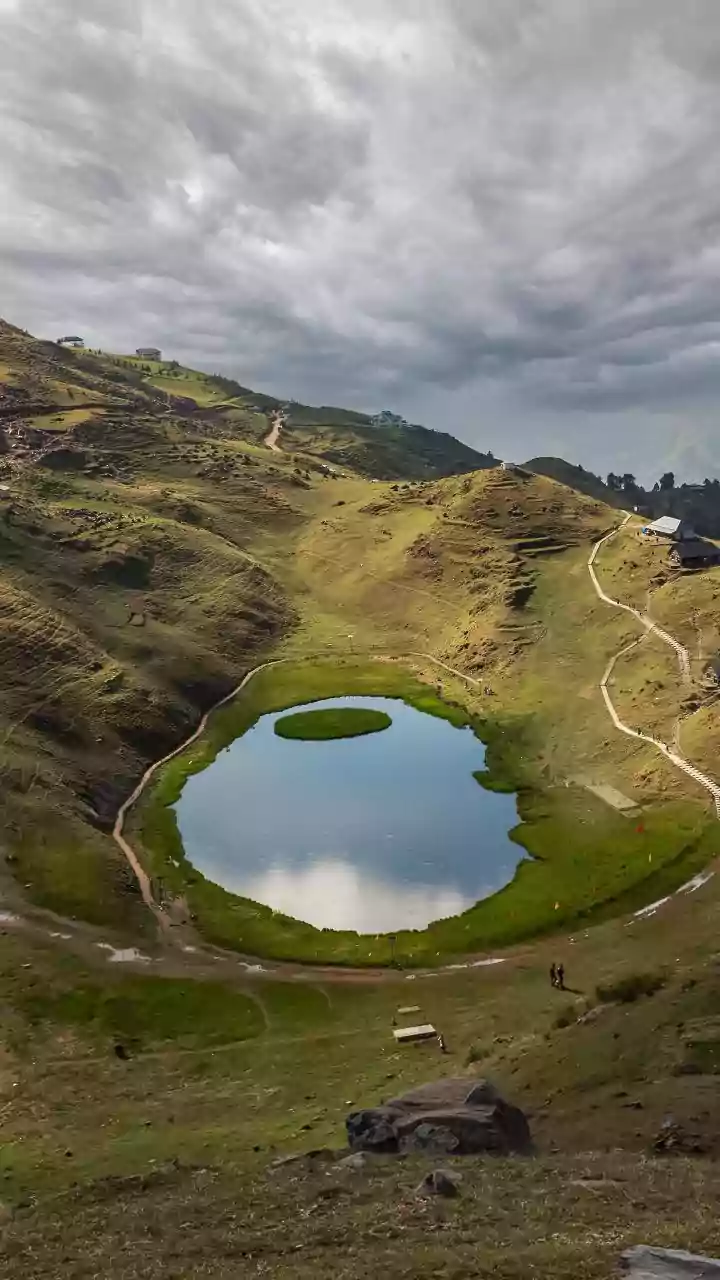
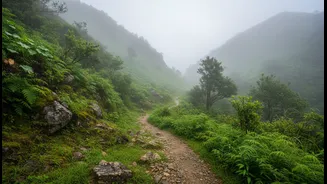
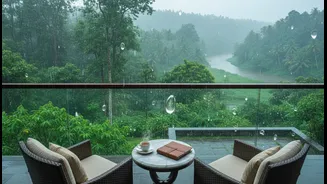
Traditionally, the monsoon has been the travel industry's off-season. But that perception is changing rapidly, with travel platforms reporting a significant surge in monsoon bookings. The rainy season cloaks the landscape in lush greenery, washes the dust from the air, and brings a contemplative quiet that many now seek. Fewer crowds mean a more intimate and authentic experience. The Ganga, swollen with rain, takes on a powerful and dramatic character. For travellers on a spiritual path, the rain-soaked atmosphere enhances the feeling of introspection and renewal. What was once a deterrent is now a key attraction, offering a unique filter through which to experience these ancient cities, making the journey feel more like a personal quest than a tourist trip.
From Digital Feeds to Digital Detox
While social media has made destinations like the Ganga Aarti in Varanasi globally visible, the motivation for visiting is shifting. Many young travellers are growing weary of trips designed purely for the perfect Instagram post. Instead, they are seeking a 'digital detox'—a chance to disconnect from the constant pressure of online life and reconnect with themselves. The journey between Varanasi and Rishikesh offers just that: an immersive experience grounded in the real world. It encourages travellers to engage with their surroundings, be it through a silent walk along the river, a conversation with a sadhu, or a morning yoga session. It is a form of travel that values presence over presentation, offering a powerful antidote to digital burnout.
An Accessible Path to Inner Peace
Beyond the philosophical and cultural reasons, there are practical ones. Spiritual tourism in India is often more budget-friendly than conventional leisure travel. The monsoon, being a non-peak season in many respects, can offer more competitive prices for accommodation and transport, making it an accessible option for students and young professionals. The infrastructure connecting these cities has also improved dramatically, making the journey smoother. This combination of affordability and accessibility has opened the doors for more young people to undertake a journey they might have previously considered out of reach, proving that a quest for inner peace doesn't have to break the bank.