







The Rise of the Silver Bullet Solution
For decades, India has grappled with the complex challenge of malnutrition. In a country facing high rates of stunting, wasting, and anaemia, the appeal of a simple, targeted solution was strong. This led to the rise of supplementary nutrition programs,
often focusing on providing specific nutrients like protein or iron through fortified powders, biscuits, or take-home rations. The logic was straightforward: if a deficiency exists, supplement it directly. Programs like the Integrated Child Development Services (ICDS) became cornerstones of this approach, designed to bridge the gap between what people ate and what they needed. This thinking also permeated the commercial market, where protein powders moved from niche products for athletes to mainstream items on kitchen shelves, promising better health and energy.
The Limits of a Single-Nutrient Focus
However, a growing body of evidence and expert opinion suggests that this supplement-centric model has significant limitations. Firstly, the human body needs a complex array of macronutrients and micronutrients that work in synergy, something a single supplement cannot provide. Over-reliance on one nutrient can mask other deficiencies. Studies of India's nutrition programs have found that while protein and iron levels might be adequate in some supplied meals, other key nutrients like essential fats, calcium, and certain vitamins are often lacking. Furthermore, there are issues of quality control and dependency. Recent findings by the Indian Council of Medical Research (ICMR) have raised concerns about the mislabeling of protein content in commercial supplements, urging consumers to avoid them. A policy focused heavily on supplements can also fail to build long-term, sustainable eating habits.
Enter Poshan 2.0: A Food-First Philosophy
Recognising these challenges, India's nutrition strategy is undergoing a significant transformation, championed by Mission Poshan 2.0. This integrated program shifts the focus from merely providing supplements to promoting holistic nourishment. The new mantra is 'food-first,' prioritising balanced diets rich in a variety of nutrients sourced from whole foods. The policy aims to move from ensuring food security (having enough calories) to achieving nutrition security (having the right kind of nutrients). This involves a multi-pronged strategy that includes improving dietary diversity, promoting locally sourced foods, and strategically fortifying staple items that a majority of the population consumes. It’s a move from a reductionist view to a comprehensive, food-based framework.
What a Food-Based Approach Looks Like
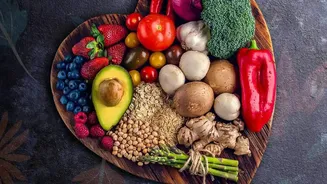
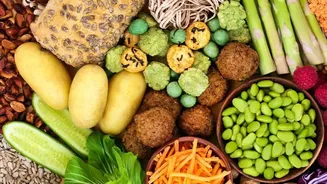
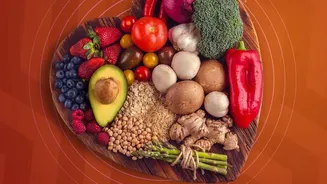
So, what does moving 'beyond supplements' mean in practice? One key pillar is promoting dietary diversity. This involves encouraging the consumption of a wide range of foods, including vegetables, fruits, dairy, and pulses, which naturally provide a spectrum of nutrients. Initiatives like Poshan Vatikas, or nutrition gardens, are being encouraged to give communities access to fresh, local, and seasonal produce. Another major strategy is food fortification. Instead of just giving a separate supplement, this involves adding essential micronutrients like iron, folic acid, and vitamin B12 to staple foods that are widely eaten, such as rice and salt. This approach delivers vital nutrients to a large population without requiring significant changes to their eating habits. The government has mandated the use of fortified rice in all its social safety net schemes, a clear indicator of this strategic pivot.
Challenges on the Road to Holistic Nutrition
This strategic shift, while promising, is not without its hurdles. The biggest challenge is behavioural change. For generations, Indian diets have often been carbohydrate-centric, with a 'protein blind spot'. Improving nutrition literacy—helping people understand what constitutes a balanced meal—is crucial for the success of this new approach. There are also significant implementation challenges, from ensuring the quality of fortified foods to overcoming funding gaps and strengthening the infrastructure of Anganwadi centres that deliver these services. Effectively coordinating efforts across various ministries, including health, agriculture, and women and child development, is essential to build a truly robust and sustainable food system that can nourish the nation for generations to come.