





The Great Diwali Rush
Every year, the festive season sees a massive surge in travellers, making train tickets a prized commodity. For Diwali 2026, which falls on Sunday, November 8, the booking window opened as early as September. On high-demand routes, general quota seats
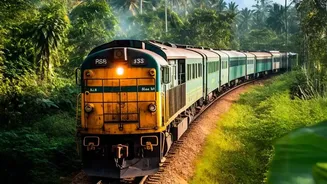
in popular classes like Sleeper and AC 3-Tier can get exhausted within minutes of the booking window opening. This makes planning not just a suggestion, but a necessity. To manage this rush, Indian Railways announces hundreds of special festive train services across its zones, providing much-needed extra capacity on busy corridors connecting major cities like Mumbai, Delhi, Bengaluru, and Chennai to states such as Uttar Pradesh and Bihar. These special trains are your second chance if you missed booking on a regular service.
Departure Time: Early Bird or Night Owl?
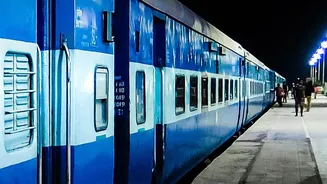
Choosing a departure time is a classic trade-off between convenience and comfort. An early morning train, like the Kolhapur-Kalaburagi Special departing at 6:10 AM, gets you to your destination by the afternoon, leaving you with a good part of the day. However, this often requires a very early start. A mid-day departure might seem relaxed but can land you at your destination late at night, posing challenges for onward travel. Overnight trains are a popular choice as they save a day of travel and the cost of a hotel room. For example, a service leaving Varanasi at 10:15 PM arrives in Delhi the next afternoon. The downside is that you might arrive feeling less rested. The best choice depends on your personal schedule, who you are travelling with, and how much you value arriving fresh versus saving time.
Journey Duration: Speed vs. Cost and Comfort
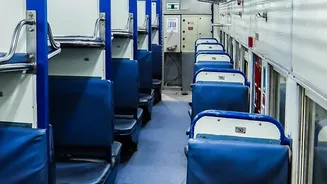
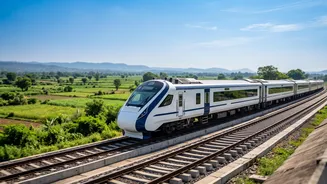
The duration of your journey is largely determined by the type of train you choose. Premium trains like Vande Bharat, Rajdhani, and Shatabdi are designed for speed and comfort but come at a higher price. Vande Bharat, being the most modern, boasts faster acceleration and can significantly cut travel time on certain routes. Rajdhani trains are ideal for long, overnight journeys, offering sleeping berths, while Shatabdi trains are best for daytime trips between major cities under 800 km. On the other hand, Mail, Express, or the newly announced 'Special' trains might take longer and have more stops, but they are often more budget-friendly and may have better availability. The decision here is a balance: are you willing to pay more for a faster, more premium experience, or do you prefer a slower, more economical journey that still gets you home for the festivities?
Beyond Timetables: The Other Deciding Factors
While departure and duration are key, other factors can make or break your journey. Direct trains are always more convenient, but during the festive rush, a 'break journey'—booking two separate tickets on a less crowded route—can sometimes be a clever way to secure a confirmed seat. For example, a ticket from Delhi to Patna might be waitlisted, but booking from Delhi to Kanpur and then Kanpur to Patna on the same train could show availability. Another strategy is to check availability from or to nearby stations instead of the main city hub, as these smaller stations sometimes have separate quotas. Also, consider the class of travel; if your budget allows, booking a higher class like AC 2-Tier or AC 3-Tier often has a better chance of confirmation than Sleeper class.
Last-Minute Booking Strategies
If you couldn't book in advance, all is not lost. The Tatkal quota opens one day before the journey date—at 10:00 AM for AC classes and 11:00 AM for non-AC classes. Competition is fierce, so you must be quick. Another critical window of opportunity is after the final chart is prepared, which is typically four hours before the train's departure. Any cancelled tickets or unutilised quotas (like VIP or defence seats) are released as 'Current Availability' and can be booked online until about 30 minutes before departure. Several travel platforms offer alerts for when these seats become available, giving you a final chance to grab a confirmed ticket for your Diwali trip home.