


The Myth of Miniaturisation
For years, the go-to advice for small apartments was to buy 'tiny furniture'. The logic seemed sound: a small room needs small things. This led to a trend of dollhouse-like sofas, miniature coffee tables, and chairs that, while cute, were often impractical
and uncomfortable. The problem with this approach is that a room filled with many tiny items can feel more cluttered and chaotic than a room with a few well-chosen, larger pieces. A collection of undersized furniture fails to provide real-world comfort or utility. You end up with a living room where no one can truly lounge, and a dining area that feels more like a suggestion than a space to host friends.
The Rise of Double-Duty Design
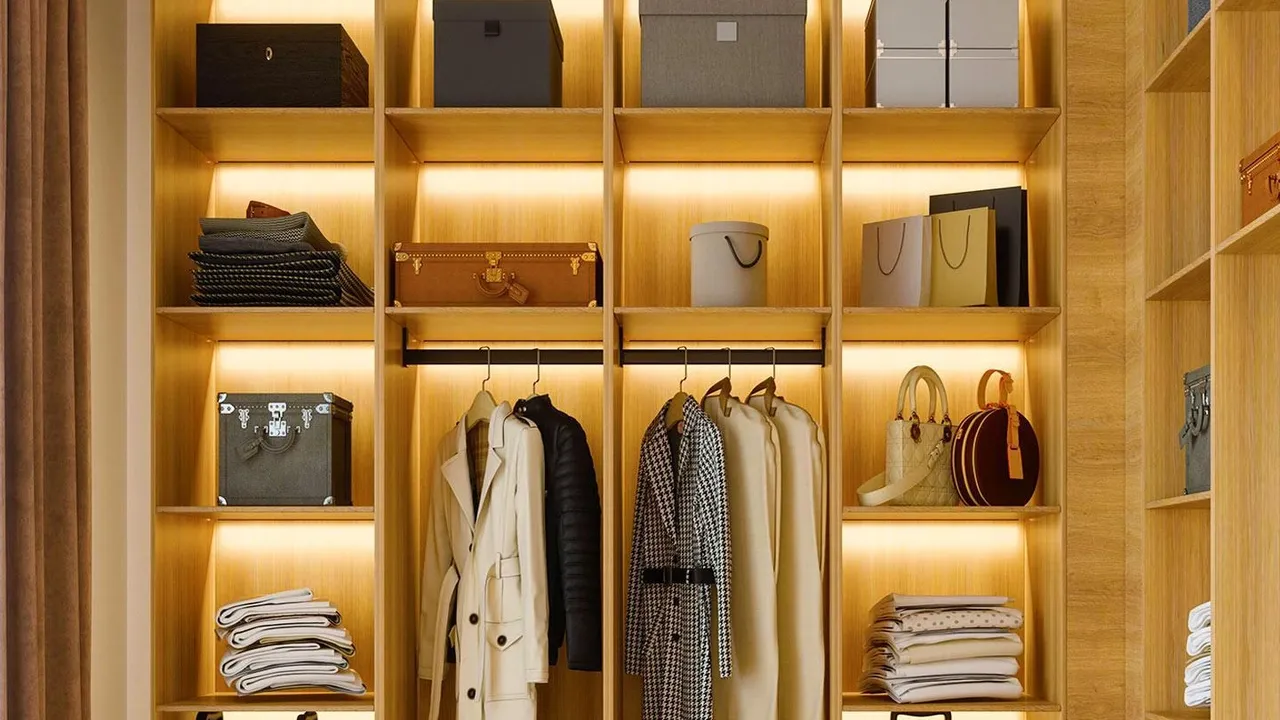
Enter the era of multifunctional or 'double-duty' furniture. Current design wisdom champions pieces that work harder, not just sit there looking small. This approach prioritises what you can do in a space, rather than just how many things you can fit into it. The core idea is that every piece of furniture should justify its footprint by serving at least two purposes. This shift reduces the total number of items needed, which in turn frees up valuable floor space and creates a more open, breathable environment. It’s a philosophy of 'less but better', creating a home that is flexible, uncluttered, and ready to adapt to your needs.
From Work to Rest: Double-Duty in Action
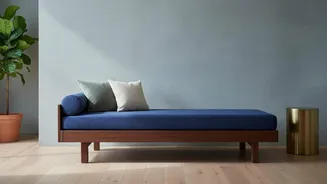
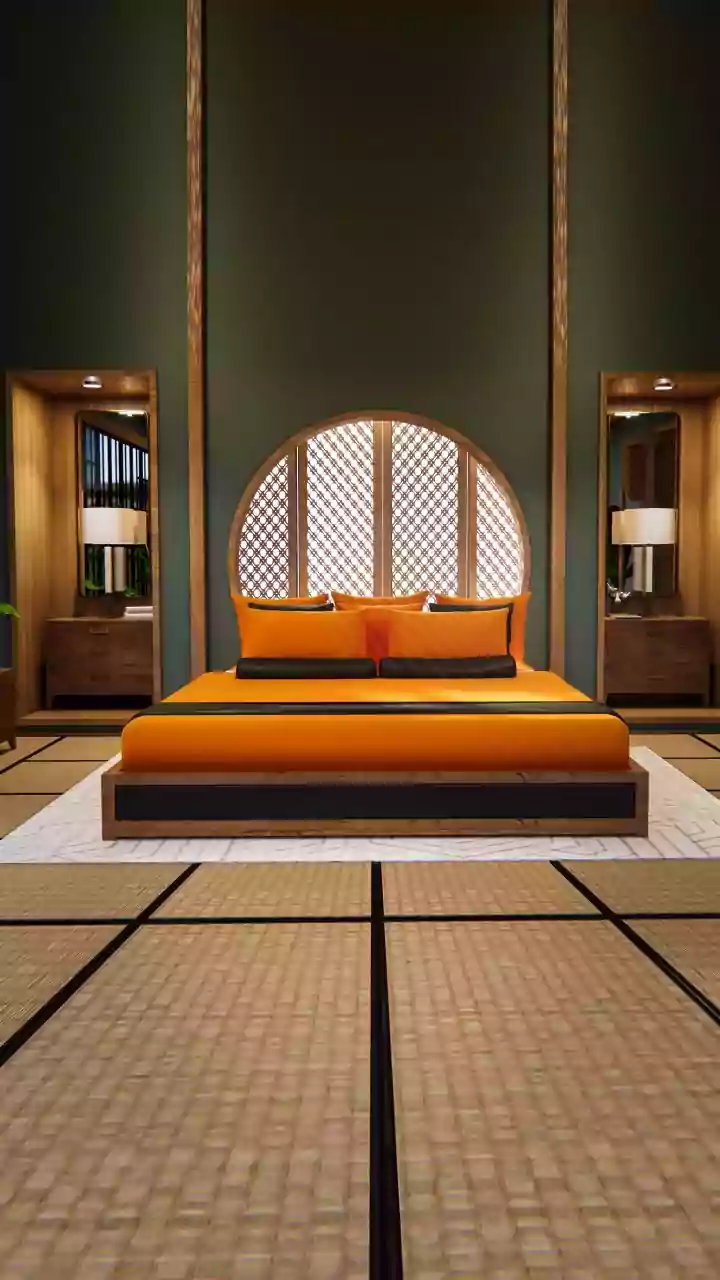
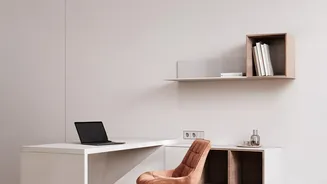
The beauty of double-duty furniture lies in its cleverness. A sleek, modern sofa can unfold into a comfortable guest bed, eliminating the need for a separate, rarely-used guest room. A coffee table might have a lift-top that transforms it into a work desk or a dining surface. Storage ottomans provide seating, a footrest, and a place to hide away blankets, magazines, or toys. Extendable dining tables can stay compact for daily use but expand to welcome guests for a dinner party. In the bedroom, a bed frame with built-in drawers offers immense storage without taking up additional floor space, while a wall-mounted desk can fold away when your workday is done. These pieces make transitions seamless, turning a living room into a home office or a guest suite in minutes.
Maximising Flow and Function
Choosing multifunctional furniture isn't just about the objects themselves; it's a strategic design choice that improves the entire flow of your home. By consolidating functions, you create more empty space, which is the ultimate luxury in a small home. This approach encourages a more intentional and minimalist lifestyle, where you are surrounded only by things that are both beautiful and genuinely useful. Designers note that the goal is to make a home 'live larger' through smart design, not just square footage. A space with fewer, more functional pieces feels calmer, is easier to clean, and allows for better movement and light circulation, making the entire home more pleasant to be in.
How to Choose Your Multipurpose Pieces
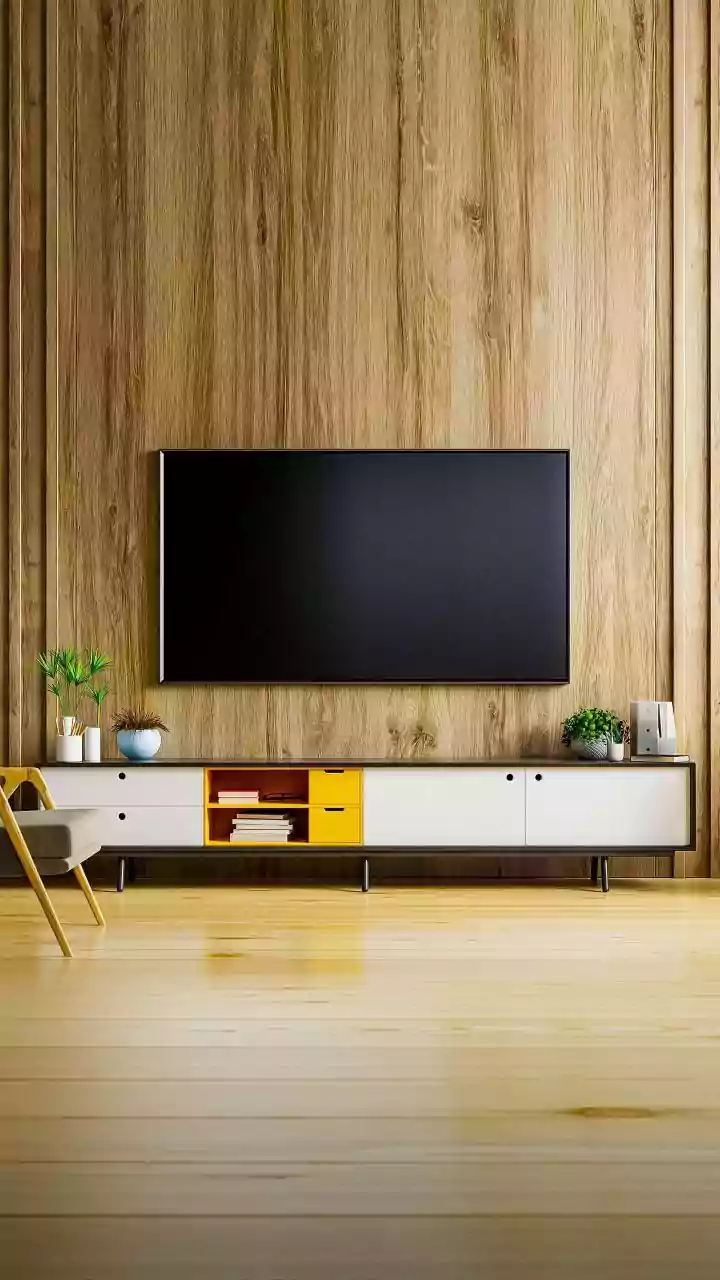
When investing in double-duty furniture, quality is key. Since these pieces have moving parts and serve multiple roles, they need to be durable. Look for sturdy mechanisms on sofa beds or lift-top tables. Consider the materials—are they easy to clean and built to last? Also, think about scale. While you’re moving away from 'tiny' furniture, the pieces still need to be proportionate to your room. A massive sectional sofa bed might overwhelm a very small space. The goal is balance. Choose items with clean lines and visible legs, which create a sense of spaciousness. Before buying, carefully measure your space and think about how you will realistically use the item day-to-day.