





A Problem of Rapid Success
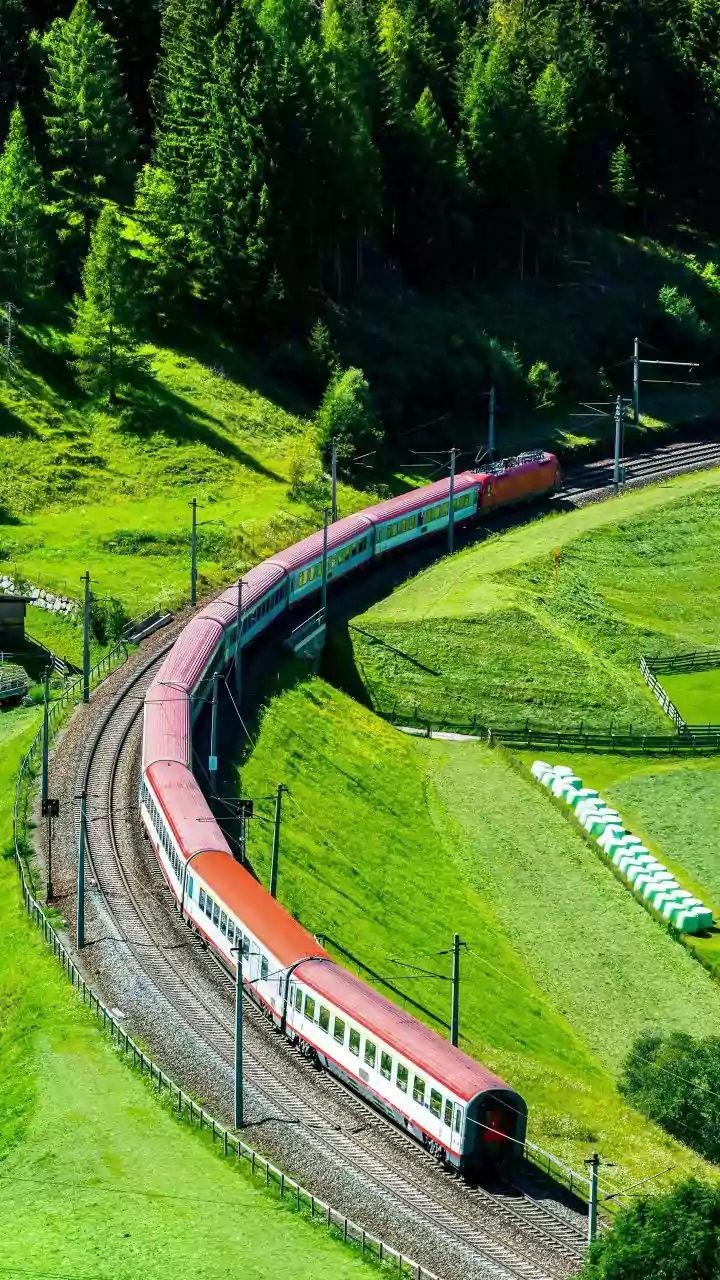
India's ambition for renewable energy is immense, with a national target of 500 GW of non-fossil fuel capacity by 2030. Solar power is the star of this transition, with installed capacity growing dramatically. This rapid expansion, however, is a bit like
building a high-speed train before the tracks are fully laid. The ability to generate solar power has outpaced the infrastructure needed to transport and use it effectively, creating a mismatch that forces grid operators to deliberately reduce or 'curtail' generation. In the first half of 2026 alone, over 8,000 million units of solar generation were curtailed, highlighting the scale of this growing pain.
The Grid's Delicate Balancing Act
An electricity grid is a complex system that must be kept in perfect balance, with supply matching demand in real-time. Unlike traditional coal plants that provide a steady, controllable output, solar power is variable. Its output peaks around midday and disappears at sunset, regardless of when demand is highest. This creates what's known as the "duck curve": a surplus of solar power in the afternoon when demand might be lower, followed by a sharp spike in demand in the evening when solar generation drops to zero. Managing this swing is a massive technical challenge. Flooding the grid with too much solar power at once can cause instability in frequency and voltage, forcing operators to curtail the clean energy to prevent blackouts.
An Outdated Electrical Highway
Much of the country's best solar resources are located in states like Rajasthan and Gujarat, while the largest centres of power consumption are often hundreds of miles away. India’s transmission infrastructure, largely built for a past era of centralized coal plants, is struggling to cope with this new, decentralized geography of power generation. The timelines for building renewable projects are much shorter—often 12 to 18 months—compared to the 24 to 36 months it takes to get new high-voltage transmission lines approved and built. This mismatch creates bottlenecks, where transmission lines from solar-rich regions become congested during peak generation hours, leaving operators with no choice but to waste the power that has nowhere to go.
The Billion-Dollar Missing Piece: Storage
The most obvious solution to solar's intermittency is to save the excess daytime power for use at night. This is where energy storage systems, primarily large-scale batteries, come in. However, while prices are falling, battery storage remains expensive in India. As a result, India's installed battery capacity is still in its infancy compared to the vast requirements needed to support the renewable energy boom. The National Electricity Plan projects a need for over 400 GWh of storage by 2032 to help manage the grid effectively. Without sufficient storage, the grid is forced to rely on coal plants to meet evening demand, and to curtail solar power during the day when generation exceeds what the system can immediately absorb.
Finding a Path Forward
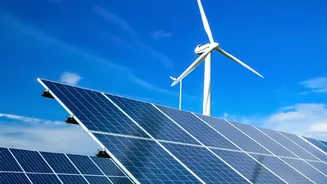
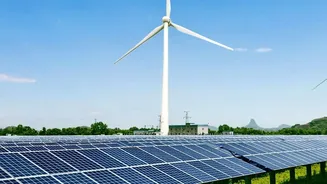
The problem of wasted renewable power is not a sign of failure but a clear signal of the next set of challenges in India’s energy transition. The government and industry are actively working on solutions. These include massive planned investments in upgrading inter-state transmission capacity and creating a more flexible grid. Policies like the Viability Gap Funding scheme are designed to make battery storage more economical and accelerate its deployment. Furthermore, there is a push to make traditional coal plants more flexible, allowing them to ramp down output during peak solar hours and ramp back up in the evening. Combining solar with wind in hybrid projects is also helping to provide a more consistent supply of renewable power.