



Go Beyond Static Measurements
When a tailor takes out their measuring tape, they are capturing a static snapshot of your body. This is a crucial first step, but it’s incomplete. Our bodies are not statues; we move, we sit, we slouch, we reach. A garment that fits perfectly when you are standing
still as a mannequin might pull, pinch, or drape awkwardly the moment you start living in it. Bespoke tailoring's true art lies in accounting for the dynamic nature of the human form, and that process begins by talking about more than just your waist and inseam. The goal is to create a garment designed not just for your measurements, but for your life.
The All-Important Posture Conversation
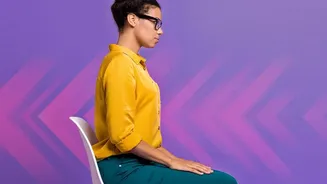
Your natural posture is a silent influencer on how clothes fit. An ill-fitting jacket can actually encourage you to slouch to make it sit correctly. A good tailor, however, works the other way around: they cut the garment to fit your unique posture. It’s critical to be honest about how you stand and sit. Do you naturally slouch or have rounded shoulders? Do you have one shoulder that is slightly lower than the other, which is extremely common? Tell your tailor this. A skilled craftsperson can make subtle pattern adjustments—like altering the shoulder slope or adding small pads—to ensure the garment hangs cleanly and is balanced, whether you're standing tall or leaning forward. The aim is to create a piece that complements your natural stance, not one that fights against it.
Defining Your ‘Ease’ for Real Life
In sewing and tailoring, 'ease' is the room built into a garment that allows you to move and breathe. It's the difference between the garment's finished measurements and your body's measurements. There are two types: wearing ease and design ease. Wearing ease is the minimum space required for basic movements like sitting or reaching without splitting a seam. Design ease is the extra room added to create a specific style, like a relaxed-fit blazer versus a body-hugging dress. Your lifestyle dictates your ideal ease. Tell your tailor how you will wear the garment. For example: “I drive a lot, so I need extra room across my shoulders,” or “I’ll be wearing this to stand and present, so I want a sharp, close fit.” This helps the tailor balance aesthetics with your daily comfort and functional needs.
Come Prepared for Your Fitting
To get the best results, simulate how you'll actually wear the final piece. If you're having a dress altered, bring the exact shoes and undergarments you plan to wear with it. The height of a heel changes your posture and the hemline, while the shape of your undergarments can alter your measurements. For a suit jacket or shirt, think about what you’ll wear underneath. This context is invaluable for the tailor, allowing them to make more precise adjustments. Don’t just show up with the garment; bring its future companions with you to ensure everything works in harmony.
Test the Fit in Motion
During the fitting, don't just stand still. Move around. Sit down in a chair, bend over as if to tie your shoes, raise your arms, and walk across the room. Does the jacket collar lift away from your neck when you sit? Do the trousers feel too tight across the thighs? Does the shirt pull at the buttons across your chest? True elegance is revealed in motion, and a garment must support your natural gestures without restriction. Providing real-time feedback while moving is one of the most effective ways to communicate what needs to be adjusted. A good tailor will encourage this, knowing that a garment’s performance in motion is the ultimate test of its fit.