




Beyond the Universal 'Curry'
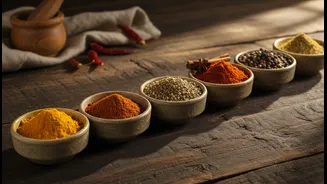
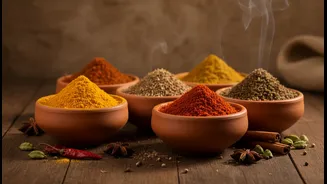
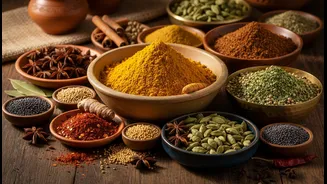
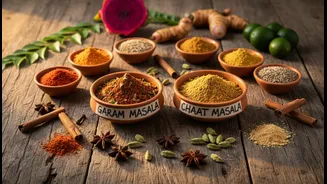
For decades, the global understanding of Indian spices was often limited to a few household names: turmeric, cumin, coriander, and the ever-present garam masala. While essential, these spices represent just a fraction of the subcontinent's true aromatic
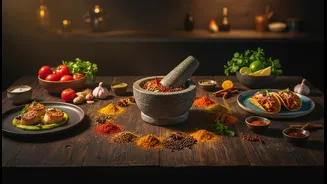
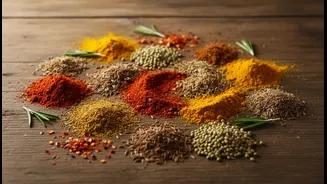
diversity. A new wave of culinary creativity is changing that. Chefs in India and abroad are digging deeper into the nation's culinary heritage, moving beyond pan-Indian flavours to explore specific, regional masalas that tell a story of geography, climate, and culture. This movement isn't just about authenticity; it's about expanding the flavour palette. Fusion cuisine, in particular, has become a playground for these rediscovered spices, where traditional blends are used in innovative contexts, creating something entirely new yet deeply rooted in tradition.
The Five-Spice Punch of Bengal
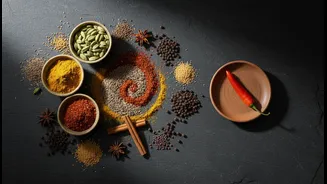
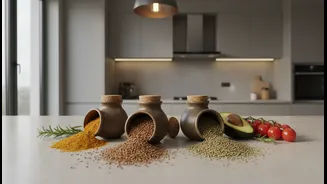
One of the most distinctive blends making its way into modern kitchens is Panch Phoron, the five-spice soul of Eastern India and Bangladesh. The name literally translates to "five tempers." Unlike most masalas, Panch Phoron is a mix of whole seeds—typically fennel, nigella, mustard, cumin, and fenugreek—used right at the start of cooking. The seeds are tempered in hot oil, where they pop and sizzle, releasing a complex aroma that is simultaneously nutty, sweet, and slightly bitter. Traditionally used in dals, vegetable dishes, and fish curries, fusion chefs are now using it to crust roasted vegetables, infuse vinaigrettes, and even sprinkle over breads, adding an unexpected and aromatic crunch.
Maharashtra’s Gentle Giant: Goda Masala
From the western state of Maharashtra comes Goda Masala, a blend that defies the fiery stereotype of Indian spices. The name itself means "sweet masala," not because it contains sugar, but because of its mild, aromatic, and slightly sweet profile derived from ingredients like roasted dry coconut, sesame seeds, and the intriguing dagad phool, or stone flower. Unlike the sharp heat of garam masala, which is often added at the end of cooking, Goda Masala is used during the cooking process to build a deep, layered, and smoky warmth. It's the heart of many traditional Maharashtrian vegetarian dishes like dal amti and bharli vangi (stuffed aubergines). Today, chefs are using its comforting, earthy notes to add complexity to everything from soups and stews to seasoning for roasted meats, proving its versatility far beyond its home region.
The Coastal Fire of Malvani Masala
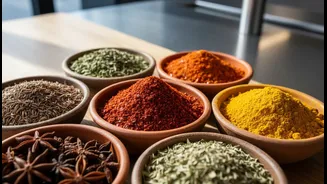
Hailing from the Konkan coast of Maharashtra and Goa, Malvani Masala is as bold and vibrant as the region itself. This complex blend can contain fifteen or more spices, including different varieties of dried red chillies, coriander, peppercorns, star anise, and stone flower. The result is a fiery, aromatic masala with a deep, reddish hue, traditionally used to create iconic seafood and chicken curries. What distinguishes Malvani Masala is its careful balance of heat, aroma, and earthy undertones. While perfect for its traditional use in coconut-based gravies, its robust flavour is being creatively applied as a dry rub for grilled foods and a potent seasoning for paneer and vegetable dishes, bringing the distinctive taste of India's coastline to a global audience.
A Return to the Roots
This rediscovery is more than just a passing trend; it's a celebration of culinary heritage. For generations, these spice blends were the heart of family kitchens, with each household often having its own secret recipe. The current movement, led by innovative chefs and curious home cooks, honours that legacy. It pushes back against the commercial homogenisation of Indian food and reintroduces the idea that the nation’s cuisine is not a single entity, but a collection of distinct, deeply flavourful culinary traditions. By bringing spices like Panch Phoron and Goda Masala into the spotlight, the food world is not just finding new flavours, but also preserving and celebrating the rich, diverse story of India itself.