






Beyond the Big Two: Wheat and Rice
For generations, the rhythm of Indian meals has been set by the comforting presence of wheat and rice. From fluffy phulkas to fragrant biryani, these two grains form the foundation of our diet. But this reliance on a limited variety of grains is a relatively
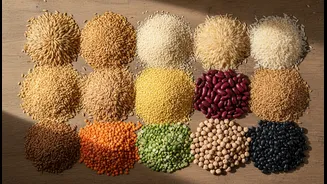
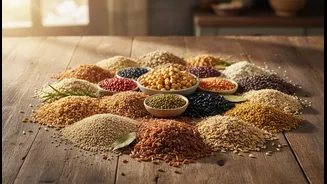
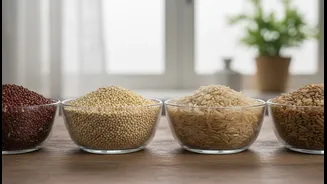
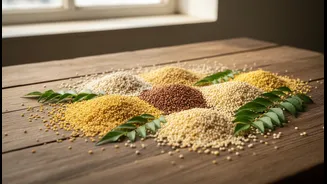
recent trend. For centuries, Indian diets were far more diverse, featuring a wide array of regional and seasonal grains that are now making a powerful comeback. Embracing this diversity by rotating different grains is not about abandoning our staples, but enriching our plates, improving our health, and rediscovering forgotten flavours.
The Wisdom of Seasonal Eating
Traditional Indian food philosophy, including Ayurveda, has long advocated for eating seasonally. This ancient wisdom is rooted in practicality and a deep understanding of nature. Different grains are harvested during India's two main cropping seasons: Kharif (monsoon crops, June-October) and Rabi (winter crops, October-March). For example, pearl millet (bajra), a Kharif crop, is known for its warming properties, making it ideal for winter months despite being harvested post-monsoon. Conversely, grains harvested after the winter Rabi season are often lighter. Eating seasonally means consuming what is freshest, most nutritious, and naturally suited to our body's needs at a specific time of year.
Meet India's Powerhouse Millets
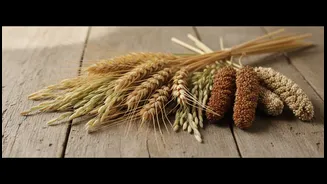
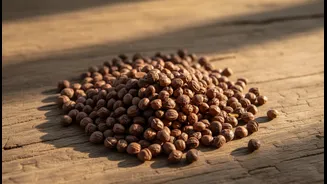
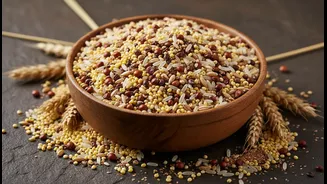
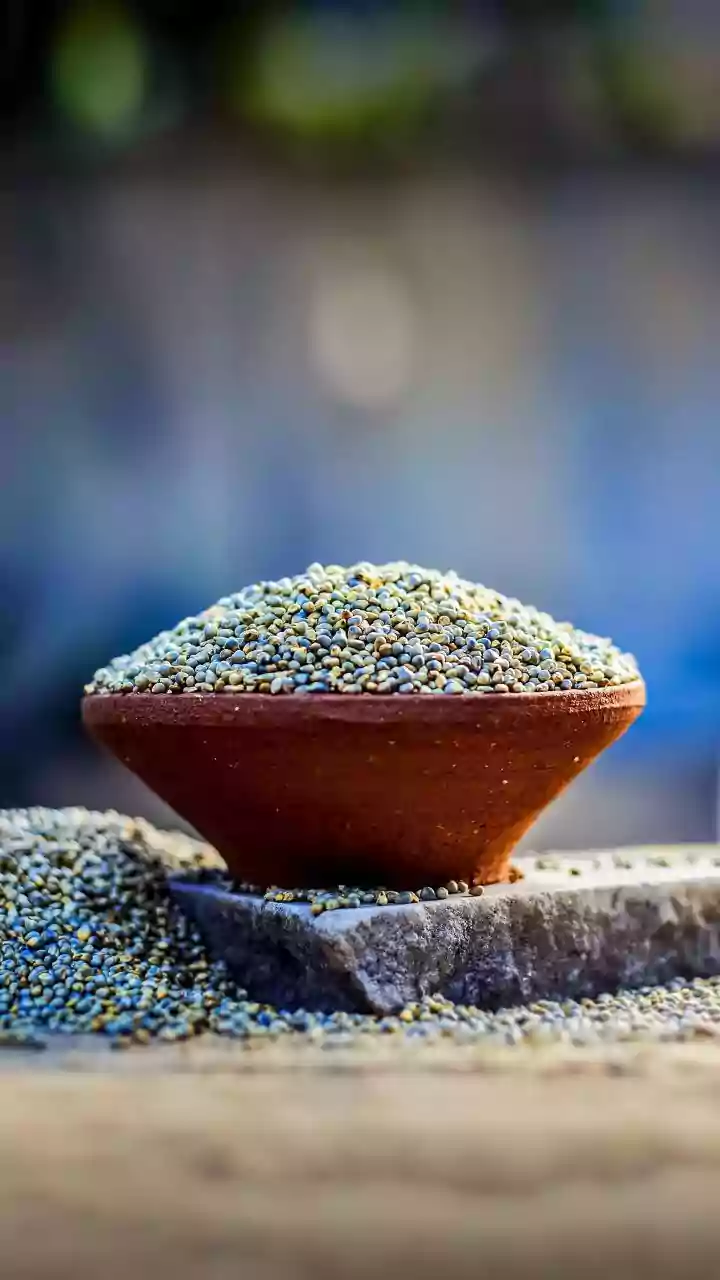
Millets, a group of small-seeded grasses, were once staples across India. These 'nutri-cereals' are gluten-free and packed with nutrients. By rotating them, you get a broad spectrum of benefits that no single grain can offer. Ragi (Finger Millet): A calcium powerhouse, ragi is excellent for bone health, especially for children and women. It's rich in iron and amino acids. Jowar (Sorghum): High in fibre and antioxidants, jowar supports weight management and is great for digestion. It's a versatile grain popular in western and southern India. Bajra (Pearl Millet): Dense in iron, bajra is a fantastic energy booster and helps combat anaemia. Its warming nature makes it a winter favourite in states like Rajasthan and Gujarat.
Benefits for Your Health and Well-being
The benefits of diversifying your grains are immense. Millets and other whole grains are rich in dietary fibre, which is crucial for good digestion, preventing constipation, and supporting a healthy gut microbiome. Unlike refined grains that cause sharp spikes in blood sugar, complex carbohydrates in whole grains provide a steady release of energy. Furthermore, each grain offers a unique profile of vitamins and minerals. Rotating them ensures you get a wider variety of nutrients, such as calcium from ragi, iron from bajra, and magnesium from jowar, supporting everything from bone health to heart function.
Supporting Farmers and the Planet
Your choice in the kitchen has a direct impact on the farm. When consumers demand a variety of grains, it encourages farmers to practice crop rotation—an age-old sustainable farming technique. Planting the same crop repeatedly depletes specific soil nutrients and invites pests. Rotating different crops, especially with millets which are hardy and require less water, naturally replenishes soil fertility, breaks pest cycles, and reduces the need for chemical fertilisers and pesticides. This not only leads to healthier soil but also provides more stable incomes for farmers by diversifying their produce.
Simple Ways to Rotate Your Grains
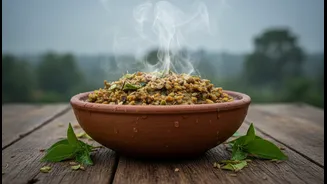
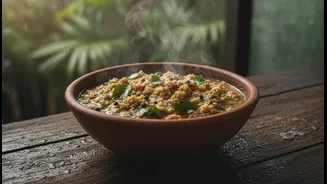
Incorporating different grains doesn't require a complete overhaul of your diet. Start with small, simple swaps. Multigrain Atta: Begin by mixing millet flours like jowar or ragi with your regular wheat flour to make rotis. Khichdi and Upma: Replace rice with millets like foxtail millet (samai) or barley (jau) in dishes like khichdi, upma, or pongal. Porridge: Cook different grains into a hearty breakfast porridge, which can be made sweet or savoury. Baking: Use ragi or jowar flour to make healthier cookies, pancakes, or dosas.