
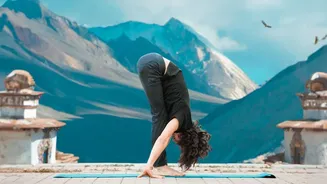

Often seen as a benchmark for flexibility, Paschimottanasana, or the Seated Forward Bend, is more than just touching your toes. It is a deep, calming stretch for the entire back of the body that invites introspection and tranquility.
Understanding the Pose
Paschimottanasana
translates from Sanskrit as the 'Intense West Stretch,' where 'west' poetically refers to the entire back of the body, from heels to head. In yoga tradition, the front of the body is the 'east,' greeting the rising sun, making the back the 'west.' This posture is designed to lengthen the hamstrings, release the lower back, and calm the nervous system. It counteracts the effects of a sedentary lifestyle by mobilizing the spine and encouraging deep, restorative breathing. The goal isn't to force your head to your knees, but to create length and release tension.
Your Step-by-Step Guide
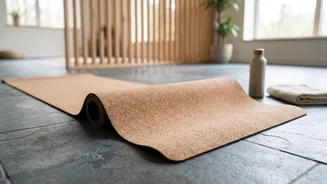
Approaching this pose with mindfulness is key to preventing strain. Start seated on your mat in Dandasana (Staff Pose), with your legs extended straight in front of you and your spine tall. If you feel your lower back rounding, sit on the edge of a folded blanket to help tilt your pelvis forward. Inhale and lengthen your torso, reaching your arms overhead to create space. As you exhale, begin to hinge forward from your hips, not your waist. Lead with your chest, keeping your spine as long as possible. Allow your hands to land wherever they comfortably reach—your shins, ankles, or feet—without straining. With each inhale, you can create a little more length in your spine; with each exhale, you might soften a little deeper into the fold.
Make It Comfortable with Props
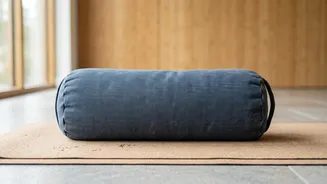
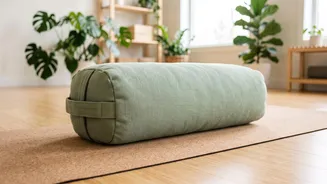
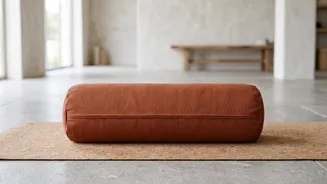
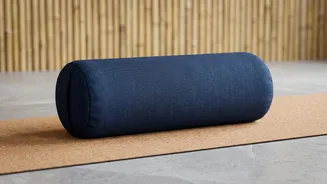
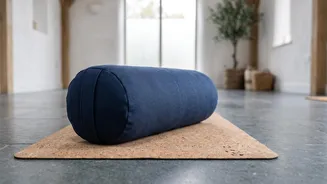
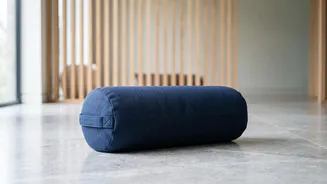
Props are not a sign of weakness; they are tools for a smarter, more sustainable practice. If your hamstrings are tight, bending your knees is highly recommended. You can even place a rolled-up blanket under your knees for support. A yoga strap is another excellent ally. Loop it around the balls of your feet and hold it with both hands. This extends your reach without forcing you to round your back to grab your toes. Remember to use the strap to maintain length in your spine, not to aggressively pull yourself deeper into the pose. A bolster or folded blanket placed over your legs can also support your torso, turning the pose into a more restorative and relaxing experience.
Common Mistakes to Avoid
One of the most common errors is rounding the back in an attempt to get the forehead to the shins. This puts unnecessary pressure on the spinal discs and negates the lengthening benefits of the pose. Always prioritize a long spine over a deep fold. Hinge from the hips. Another mistake is locking the knees when hamstrings are tight, which can strain the knee joint and the lower back. Instead, keep a micro-bend in the knees. Also, be mindful not to hold your breath. Continuous, smooth breathing helps your muscles relax and release. Finally, avoid cranking your neck up to look forward; allow your head to hang naturally.
Benefits Beyond the Hamstrings
While famous as a hamstring stretch, the benefits of Paschimottanasana are extensive. The gentle compression of the abdomen can stimulate digestive organs like the liver and kidneys, aiding in digestion. The forward-folding nature of the pose has a profoundly calming effect on the brain and can help alleviate stress and mild anxiety. By stretching the spine and shoulders, it can help relieve tension built up from long hours of sitting. Regular, mindful practice promotes introspection and helps quiet a busy mind, shifting the nervous system into a state of rest.