




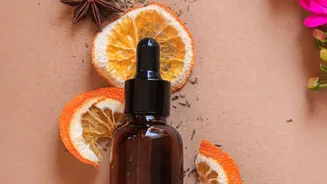
The Allure of the Peel
The trend towards using fruit skins in skincare taps into a desire for natural ingredients and a move against food waste. The logic seems simple: fruits are packed with vitamins and antioxidants, so their peels must be a goldmine of goodness for our skin.
During winter, when complexions can become particularly lacklustre, the idea of a quick, brightening mask made from something already in your kitchen is incredibly appealing. Peels from fruits like oranges, bananas, and papayas are praised in online tutorials for their supposed ability to exfoliate, hydrate, and impart a healthy glow, all without the price tag of commercial products.
Popular Picks and Their Promises
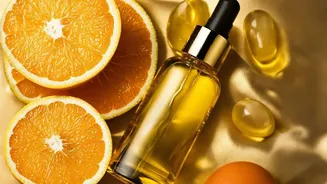
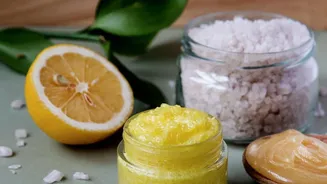
Different fruit peels are said to have different benefits. Orange and lemon peels are championed for their high vitamin C and citric acid content, believed to brighten skin and reduce dark spots. Banana peels are rich in antioxidants and minerals like potassium, which are thought to moisturize and soothe irritation. Papaya peels contain the enzyme papain, a natural exfoliant that can help slough off dead skin cells for a smoother surface. Proponents suggest everything from rubbing a fresh banana peel directly on the face to creating a paste from dried, powdered orange peels mixed with yoghurt or rose water.
The Dermatologist's Verdict: Proceed with Caution
While there's some science behind the claims, experts urge caution. A key concern is that raw, unprocessed peels are very different from the standardised, purified extracts used in commercial skincare. For instance, while orange peels do contain beneficial flavonoids and antioxidants, the amount of usable Vitamin C that survives the process of drying and grinding is likely very low and unstable. More importantly, citrus peels contain oils that can be irritating and even phototoxic, meaning they can cause a painful skin reaction when exposed to sunlight. There's also the risk of pesticides on non-organic fruits and using coarse, abrasive peel powders that can cause micro-tears in the skin.
Safer Fruits for Your Face
Not all peels carry the same level of risk. Dermatologists generally consider rubbing the inside of a banana peel on your skin to be a low-risk activity. While scientific proof of its benefits is limited, the peel is hydrating and unlikely to cause major irritation. Papaya peels are also gentler, offering mild exfoliation from their natural enzymes. The riskiest choices are citrus peels, especially lemon, due to their high acidity and potential for causing irritation or even post-inflammatory hyperpigmentation (darkening of the skin). Anyone with sensitive skin, eczema, rosacea, or active acne should avoid these DIY treatments altogether.
How to Try the Trend Safely
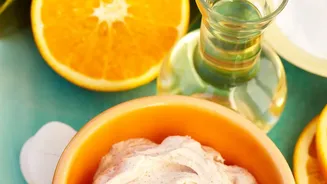
If you are curious to try a fruit peel mask, safety should be your priority. Always perform a patch test on your inner forearm for 48 hours to check for any reaction before applying to your face. Use only organic, thoroughly washed fruits to minimize pesticide exposure. For a gentler approach, opt for rubbing the soft, inner side of a fresh banana or papaya peel on cleansed skin for a few minutes before rinsing. If using a dried powder like orange peel, ensure it is finely ground to avoid scratching the skin, mix it with a soothing base like plain curd, and rinse it off after 10-15 minutes, well before it dries and cracks. Never scrub, and always follow up with a moisturiser.