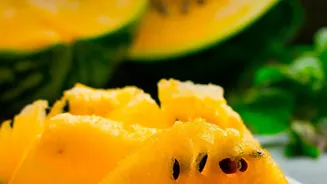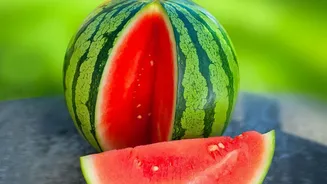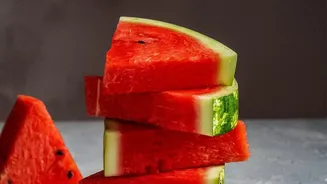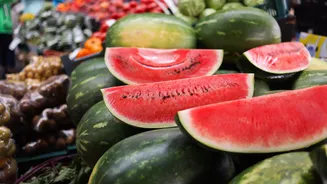






That thick, white and green rind from a juicy watermelon usually goes straight into the bin. But what if that leftover peel could be transformed into a vibrant, refreshing chutney perfect for your morning meal? It's easier than you think.
The Surprising Case for Eating the Rind
In the quest
for a more sustainable kitchen, finding uses for food scraps has become a creative challenge for home cooks. The watermelon rind, often overlooked, is a prime candidate for this no-waste approach. While most of us discard it without a second thought, the rind is entirely edible and packed with surprising benefits. It has a lower sugar content and more fibre than the sweet, pink flesh. The rind is also a source of vitamins A, C, and B6, as well as minerals like potassium and zinc. Furthermore, it contains citrulline, an amino acid that may help improve blood flow. By saving the rind from the compost bin, you're not just cutting down on waste; you're also adding a nutritious component to your diet.
What Does Watermelon Rind Taste Like?
Before you start cooking, it's natural to wonder about the flavour. Don't expect the sweetness of the fruit's flesh. The rind has a much milder, more neutral taste that is often compared to that of a cucumber or summer squash. Its most defining characteristic is its texture: firm, crisp, and refreshingly crunchy, similar to jicama. This subtle flavour profile makes it incredibly versatile. It doesn't overpower other ingredients but instead readily absorbs the spices and seasonings it's cooked with, making it an excellent base for a flavourful chutney that can be either sweet, savoury, or spicy.
From Rind to a Refreshing Chutney
Making watermelon rind chutney is a straightforward process. First, you need to prepare the rind. Using a vegetable peeler or a sharp knife, carefully remove the tough, dark green outer skin. You'll be left with the firm, pale white part, which you can then chop into small cubes or shred. A popular South Indian style of chutney, known as a thogayal, involves roasting lentils like urad dal and channa dal until golden, then sautéing the diced watermelon rind with ginger, curry leaves, and chillies. This mixture is then cooled and ground into a coarse paste, sometimes with fresh coconut. For a sweeter, pickled chutney, the rind pieces are simmered in a mixture of vinegar, sugar, water, and spices like ginger, peppercorns, and chilli until the rind becomes tender and the liquid turns syrupy. The result is a condiment that is both tangy and fresh.
Perfect Pairings for Your Breakfast Table
A fresh, crisp watermelon rind chutney can elevate a variety of breakfast dishes. Its clean taste and tangy notes provide a wonderful contrast to rich and savoury foods. In South India, this type of chutney is a classic accompaniment for idli and dosa, where its refreshing quality cuts through the fermented flavour of the batter. It also pairs beautifully with warm, flaky parathas or can be served alongside upma. Don't limit yourself to traditional Indian breakfasts; the chutney's versatility shines in other contexts too. Spread it on a slice of toast with cream cheese for a surprising twist, or serve it as a side with a simple omelette or scrambled eggs to add a burst of bright, tangy flavour to your morning routine.
Tips for the Best Flavour
To get the most out of your watermelon rind chutney, a few tips can make a big difference. For a crispier texture, you can salt the diced rind and let it sit in a colander for about 20 minutes before cooking. This draws out excess water. When making a cooked chutney, simmer it until the rind turns translucent and tender, which indicates it has absorbed the flavours of the pickling liquid. Feel free to experiment with spices. Mustard seeds, cumin seeds, turmeric, and red chilli flakes are excellent for a savoury, spiced version. For a fresher, North African-inspired take, consider adding mint, cilantro, and preserved lemon. Don't be afraid to adjust the sugar and vinegar to achieve your desired balance of sweet and sour.