






The Green Filter Mechanism
Plants are nature's air purifiers, primarily known for converting carbon dioxide into oxygen. But their benefits extend to other pollutants. They can capture and absorb airborne particles and toxic chemicals through tiny pores on their leaves called stomata.
Some fine particulates, like PM2.5, can adhere to the leaf surfaces of certain plants. Furthermore, the soil isn't just for support; microorganisms living in the potting mix also play a role in breaking down airborne toxins that are pulled down towards the roots. This entire process, known as phytoremediation, is how a plant can help cleanse the air in its immediate vicinity.
Top Plants for Delhi Homes
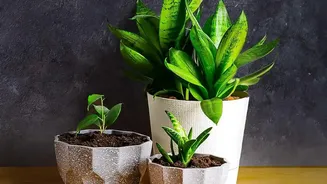
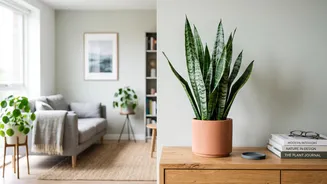
While many plants help, some are particularly well-suited for tackling the kind of pollutants common in urban Indian environments. A recent article highlighted the worsening air quality in Delhi, suggesting several plants to improve indoor air. The Areca Palm is a popular choice, known for adding humidity to dry winter air and effectively absorbing pollutants. The hardy Snake Plant is another favourite, as it continues to release oxygen even at night, making it ideal for bedrooms. The Spider Plant is praised for being fast-growing and effective at reducing particulate matter; one study showed it absorbed a significant percentage of PM in a test environment. Finally, the common Money Plant (Pothos) and the elegant Peace Lily are both noted for their ability to remove chemicals like formaldehyde and benzene from the air.
Managing Expectations: Quantity Matters
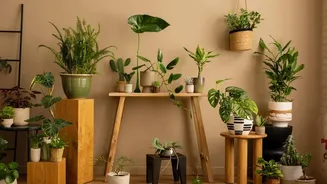
Herein lies the critical question: how many plants are needed to make a real difference? While studies confirm plants do clean the air, their effectiveness is a matter of scale. The original NASA Clean Air Study, often cited, used sealed chambers, which are very different from a ventilated home. A review of multiple studies concluded that to truly replicate those lab results in a real-world setting, you might need a very large number of plants, potentially hundreds, to equal the performance of a modern air purifier. However, other research suggests more modest numbers can still offer benefits. One recommendation is at least two good-sized plants per 100 square feet. An Australian study found that even one plant in a medium-sized room could improve air quality, with five to ten plants showing significant improvements.
Plants as Part of a Holistic Strategy
It is crucial to view indoor plants as one component of a broader strategy for surviving Delhi's smog season, rather than a standalone miracle cure. On days with 'Severe' air quality, mechanical filtration is essential. High-efficiency particulate air (HEPA) purifiers are specifically designed to capture the dangerous PM2.5 particles that plants are less effective against in large volumes. The best approach combines technology with nature. Use a HEPA purifier in your bedroom and main living areas. Keep windows sealed on high-pollution days and ventilate your home when the AQI is lower. Your indoor plants will supplement this by adding humidity, contributing to a sense of well-being, and providing an extra, natural layer of filtration. Remember to wipe the leaves of your plants weekly, as a layer of dust can block their pores and reduce their air-cleaning ability.