
Embrace the Overlap Mindset
The secret to a more efficient kitchen isn't about complex meal plans; it's about a simple shift in thinking called ingredient overlap. Instead of planning five completely different meals with five unique shopping lists, the goal is to choose core ingredients
that can be used across multiple, distinct dishes. This approach ensures that the large bunch of coriander, the family pack of chicken, or the bag of potatoes you buy gets fully used in creative ways, rather than being forgotten at the back of the fridge. It’s a strategy professional kitchens use to minimise waste and save money, and it's perfectly suited for the home cook.
Start with Your Kitchen Staples
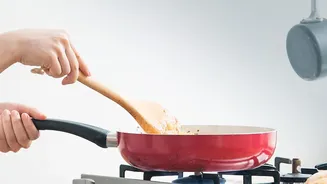
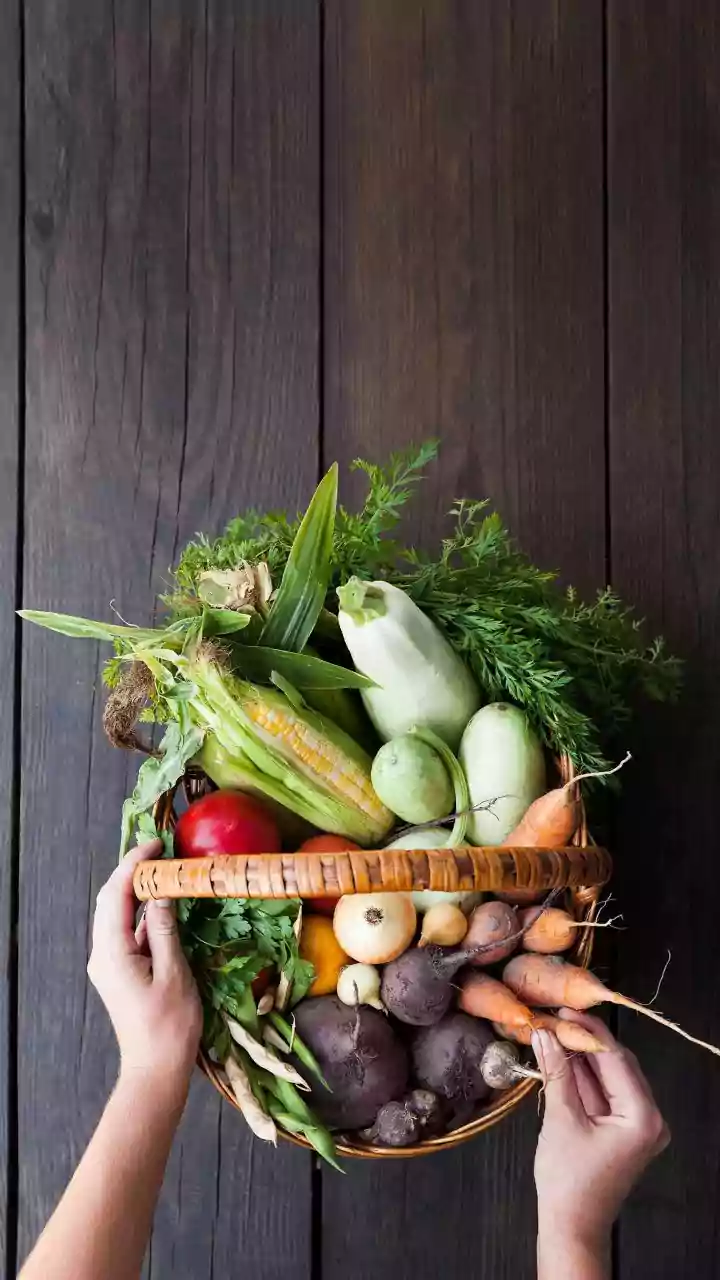
A well-stocked Indian kitchen is already primed for ingredient overlap. Staples like onions, tomatoes, ginger, and garlic form the foundation of countless dishes. The same can be said for common spices like turmeric, cumin, and coriander powder. Rather than seeing them as ingredients for just one recipe, view them as a versatile base. This base masala (sautéed onion, tomato, ginger-garlic) can be prepared in a larger batch. One portion can be used for a dal, another for a chicken curry, and a third for a vegetable sabzi, each tasting completely different based on the finishing touches.
Plan Components, Not Just Meals
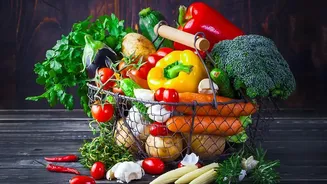
A common meal-planning mistake is preparing large batches of a single dish, leading to meal fatigue. A smarter approach is to prep components. Instead of making three boxes of the same chana masala, spend time boiling potatoes, making a basic curry gravy, or chopping a mix of hardy vegetables like carrots and bell peppers. These prepped components drastically cut down daily cooking time. Boiled potatoes can become a simple jeera aloo one night, part of a vegetable wrap for lunch the next day, and mashed into a paratha filling on the third. This keeps meals interesting while still being incredibly efficient.
Think in Flavours, Not Rigid Recipes
Ingredient overlap encourages culinary creativity. Don't be afraid to substitute. If a recipe calls for a specific vegetable you don't have, consider what you do have that might work. This flexibility is key to using up what’s in your kitchen. Furthermore, learn how different finishing touches can completely transform a dish. A simple dal can be given a classic tadka of ghee and cumin one day. The next day, leftover dal can be turned into a delicious sambar-like stew with dal dhokli, or even used to knead soft, nutritious chapati dough. Fresh coriander, a squeeze of lemon, a dollop of yogurt, or a sprinkle of garam masala at the end can change the entire flavour profile.
Transforming Leftovers Creatively
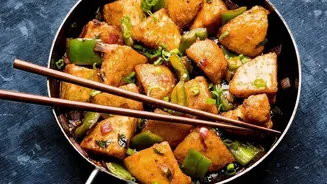
Ingredient overlap also applies to leftovers, preventing them from becoming a sad, forgotten meal. That leftover chicken curry doesn't just have to be reheated. Shred the chicken for a kathi roll or a sandwich filling. Use the flavourful gravy as a base for a quick pasta sauce or as a topping for a homemade pizza. Leftover stir-fried vegetables can be mixed with rice for a quick fried rice, stuffed into a wrap, or blended into a savoury pancake batter. Viewing leftovers as a starting point for a new dish, rather than just an old one, is the final step in creating a truly no-waste kitchen.