
The Soulful Shift to Handmade
In an age of globalised trends and identikit interiors, a growing number of Indian homeowners are consciously un-following the herd. They are turning away from the flat-packed and factory-finished, and instead, embracing the perfectly imperfect charm
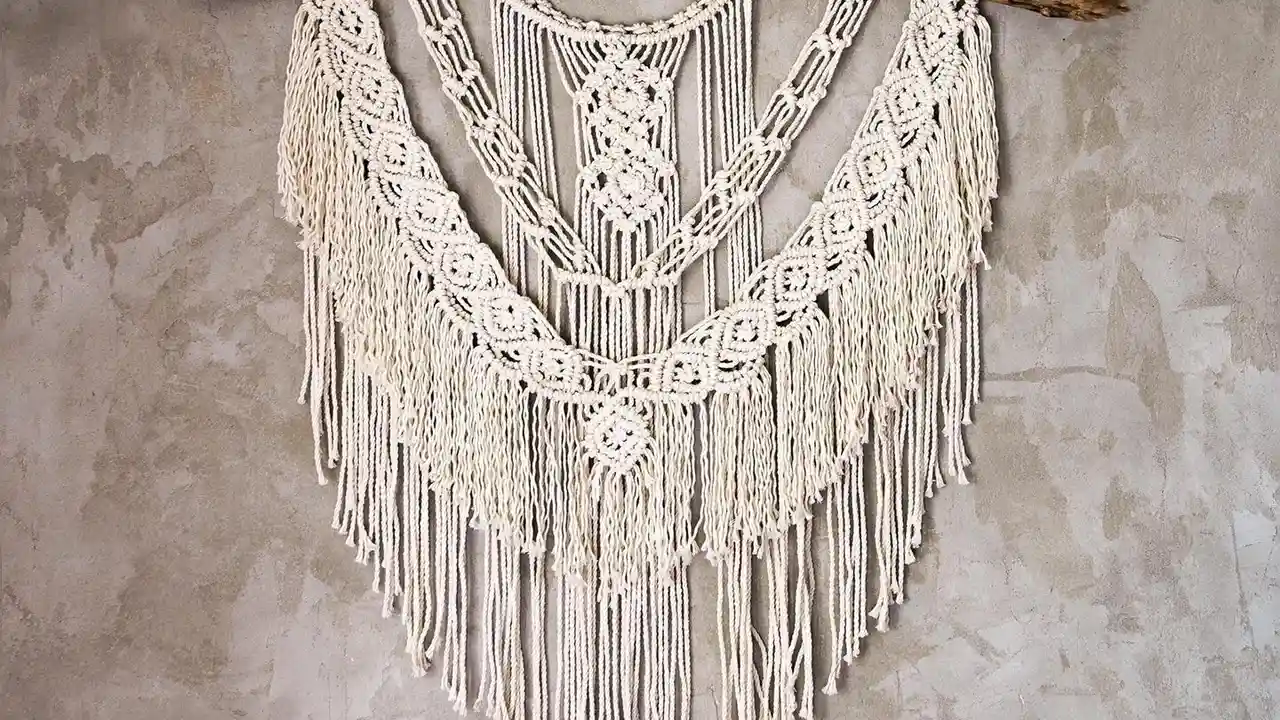
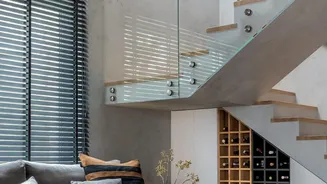
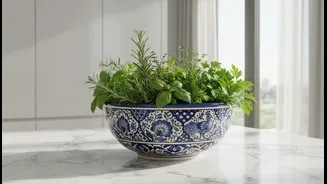
of handcrafted décor. This isn't about rejecting modernity; it's about enriching it. A minimalist apartment gains warmth from a hand-carved wooden bench from Jodhpur, a sleek kitchen is softened by the earthy appeal of Khurja pottery, and a contemporary sofa becomes a canvas for vibrant Kantha-stitched cushions. This movement is about curation over consumption, creating spaces that feel less like showrooms and more like personal sanctuaries filled with objects that have a story to tell.
A Quest for Authenticity and Connection
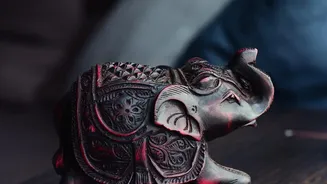
At its heart, this trend is driven by a powerful search for authenticity. Consumers are increasingly looking for a connection to their roots and a way to express their identity through their living spaces. Each handcrafted piece, whether it's a Dhokra metal figurine from Bastar or a hand-painted Pattachitra scroll from Odisha, is a tangible link to India's rich and diverse craft heritage. These items carry the imprint of the maker and the memory of a tradition passed down through generations. In a world saturated with digital and disposable goods, owning a piece of handmade art offers a sense of permanence and meaning that mass-produced items simply cannot replicate.
Sustainability Becomes a Style Statement
The shift towards handcrafted décor is also deeply intertwined with a rising consciousness about sustainability. Modern consumers are more aware than ever of their environmental footprint and are seeking ethical alternatives. Handicrafts, by their very nature, are often more eco-friendly. Artisans typically use locally sourced, natural materials like bamboo, jute, terracotta, reclaimed wood, and organic cotton. Production happens in small batches, reducing waste and the carbon footprint associated with large-scale manufacturing. Choosing a handwoven rug or a set of clay kulhads is no longer just an aesthetic decision; it's a vote for a greener, more responsible way of living.
Empowering Artisans in the Digital Age
This renewed appreciation for craftsmanship is providing a vital lifeline to artisan communities across the country. The 'Vocal for Local' movement has encouraged consumers to look inward and support domestic talent. Simultaneously, digital platforms and social media have empowered artisans and design-led brands to reach customers directly, bypassing traditional gatekeepers. Online stores and Instagram accounts showcase everything from intricate Madhubani paintings to modern bamboo lighting, connecting a new generation of buyers with the makers. This direct link not only helps preserve ancient skills that were at risk of fading but also ensures that artisans receive a fairer share of the profits for their invaluable work.
Bringing the Handcrafted Look Home
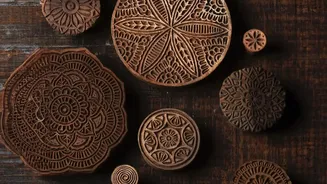
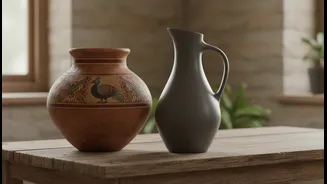
Embracing this trend doesn't require a complete home overhaul. The beauty of handcrafted décor lies in its ability to blend with various styles. Start small by introducing a few key pieces. A single statement item, like a hand-hammered brass urli or a striking Warli painting, can become an instant focal point. Play with textures by contrasting the rawness of a terracotta planter with a smooth, modern surface. Swap out synthetic cushion covers and runners for hand-block printed or embroidered textiles. The goal is to create a layered, personal space where every object has been chosen with intention and contributes to the unique story of your home.