





The Allure of the Slow Brew
In fast-paced cities like Delhi, Pune, and Bangalore, the 'slow bar' movement is taking hold, offering an antidote to the rush of daily life. For many young professionals, coffee is transforming from a quick caffeine fix into an intentional ritual. This
shift is driven by a desire for tangible skills and mindful experiences over mass-produced convenience. Brewing workshops fit perfectly into this lifestyle, functioning as cultural meet-ups where attendees can learn, socialise, and connect. The appeal isn't just about making coffee; it's about understanding the journey from bean to cup, embracing a process that requires patience and focus—a small act of rebellion against a world obsessed with speed.
Decoding the Workshop Experience
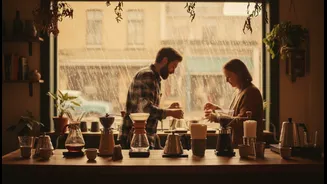
So, what happens when you sign up for one of these classes? Workshops, often held in small groups at specialty cafes, are designed to be hands-on and interactive. Baristas guide participants through the fundamentals of coffee theory before they ever touch a kettle. The session typically begins with the basics: understanding how origin, bean processing, and roast level impact flavour. From there, you'll dive into the core variables of brewing: the ideal coffee-to-water ratio, the perfect water temperature (usually between 195-205°F), and, most critically, the grind size. These elements are the foundation upon which a great cup of pour-over is built.
Mastering the Art of the Pour
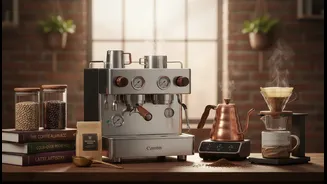
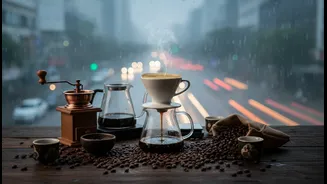
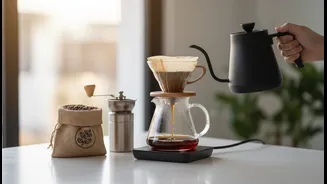
The main event of any workshop is mastering the pour itself. This is where the technique really shines. Using a gooseneck kettle for precise control, you learn about the 'bloom'—the initial pour that wets the coffee grounds and releases trapped carbon dioxide, creating a beautiful puffy dome. Instructors then teach specific pouring patterns, often a slow, steady spiral, to ensure even water distribution and optimal extraction. Participants get hands-on practice with popular devices like the Hario V60, known for its spiral ridges that influence flow rate, or the elegant Chemex, which uses a thicker filter for an exceptionally clean cup. The goal is to develop muscle memory and an intuitive feel for the pace and flow, turning a series of steps into a fluid motion.
The Science Behind the Flavour
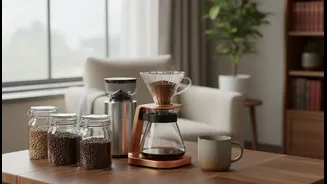
These workshops are also a mini science lesson. You learn that manual brewing gives you complete control over extraction—the process of dissolving coffee's soluble flavours into water. Pour too fast, and the coffee is weak and 'under-extracted'; too slow, and it becomes bitter and 'over-extracted'. The paper filters used in methods like the V60 and Chemex are key to the clean, nuanced flavour profile, as they trap oils and fine sediment that can make coffee from a French press, for instance, taste heavier. By tasting brews made with slight variations in technique, participants learn to identify these differences and troubleshoot their own coffee at home, finally understanding why their morning cup sometimes falls flat.
More Than a Drink, It's a Community
Ultimately, the rise of these workshops highlights a broader shift in India's urban coffee culture. Once dominated by large chains focusing on convenience, the landscape now includes spaces dedicated to education and community. Brands and independent cafes are creating immersive experiences where customers can engage directly with the product and the process. These sessions are not just for aspiring baristas; they're for anyone looking to deepen their appreciation for a daily ritual. Attendees leave not only with the confidence to brew café-quality coffee at home but also with a newfound connection to the craft and the people who share their passion.