





The Global Squeeze on Oil
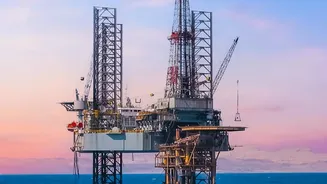
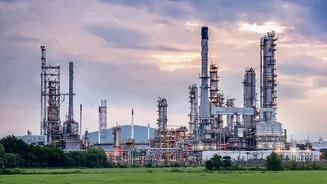
International crude oil prices have become increasingly volatile. Brent crude, a major global benchmark, has been trading at elevated levels, hovering around $91-$92 per barrel in mid-August. This surge is largely driven by geopolitical instability in the
Middle East, particularly concerning key shipping routes like the Strait of Hormuz. When tensions disrupt these critical arteries for oil supply, the market reacts with higher prices due to concerns about scarcity. For India, a country that imports over 85% of its crude oil, these global fluctuations have significant economic consequences, pushing up the national import bill and creating inflationary pressure.
The Pinch at the Petrol Pump
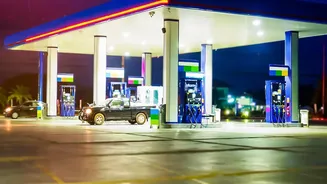
The most immediate impact for travellers is felt at the fuel station. The price of crude oil is the primary determinant of what you pay for petrol and diesel. As India relies heavily on imports, any global price increase eventually trickles down to the consumer. While oil marketing companies may absorb fluctuations for short periods, sustained high prices inevitably lead to upward revisions. Even with a daily pricing mechanism in place, major metro cities like Delhi, Mumbai, and Kolkata have seen petrol prices remain firm above the Rs 100 per litre mark. This directly increases the cost of any road trip, whether you're driving your own car or relying on other forms of road transport.
Why Your Flight Tickets May Cost More
Airlines are particularly sensitive to fuel costs. Aviation Turbine Fuel (ATF) can account for 40-50% of an airline's total operating expenses. When crude prices climb, ATF prices follow suit, squeezing airline profit margins. To offset these higher costs, airlines often increase airfares. In a price-sensitive market like India, this can be a difficult balancing act. Some carriers may even resort to rationalising operations by reducing flight frequencies on certain routes to manage the financial strain. This dual effect of potentially higher ticket prices and fewer flight options means travellers looking for a good deal need to be more strategic, often by booking well in advance.
The Ripple Effect on Cabs and More
The impact isn't limited to just your own car or a flight. Higher fuel costs drive up operational expenses for taxi and cab aggregators, which can lead to fare hikes for passengers. This ripple effect extends throughout the travel and tourism ecosystem. Tour operators who use buses and other vehicles for sightseeing will face higher running costs, which may be passed on in package deals. Even hotels can be affected, as the cost of transporting goods and supplies increases. Essentially, any part of your journey that relies on transportation will likely see some level of price adjustment.
Budgeting for Your Next Trip
With oil markets expected to remain volatile, factoring in higher travel costs is the new normal. For those planning to fly, booking tickets several weeks or even months in advance is a reliable strategy to lock in lower fares before potential price hikes. If you're planning a road trip, budgeting more for fuel is essential. Consider choosing more fuel-efficient modes of transport where possible, such as trains for long-distance travel, which can be less susceptible to the immediate shocks of oil price volatility. Comparing prices across different platforms and being flexible with your travel dates can also help mitigate some of the extra expense.