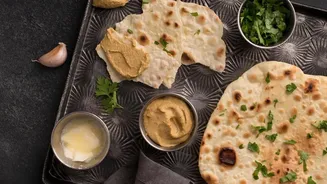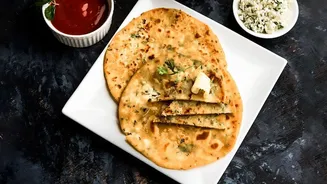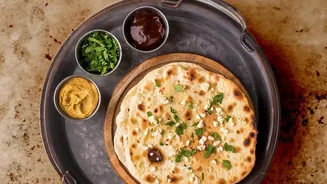



The Quest for the Perfect Naan
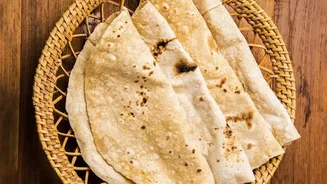
Anyone who has tried making Indian breads at home knows the familiar story. The everyday chapati or roti is achievable, a staple of home cooking. But when it comes to the richer, leavened breads like naan and kulcha, the results often fall short. Homemade
versions can end up dense, dry, or disappointingly flat compared to their restaurant counterparts. This gap has long been a source of frustration for passionate home cooks who crave that authentic, fluffy texture straight from a tandoor. Historically, recipes for these breads were often passed down with assumed knowledge, leaving out the small but crucial details that make all the difference.
Decoding the Restaurant Secret
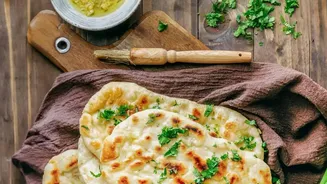
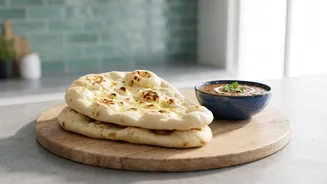
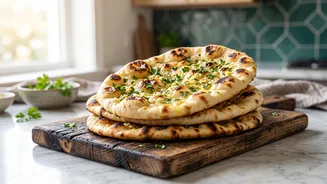
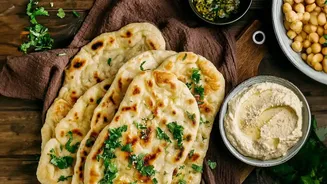
The magic of restaurant naan isn’t one single trick, but a combination of ingredients, technique, and specialised equipment. The most significant factor is the tandoor, a clay oven that reaches scorching temperatures of 480°C. This intense, direct heat cooks the naan in minutes, creating its signature charred bubbles on the outside while trapping steam inside for a light, chewy interior. Furthermore, restaurant doughs typically use all-purpose flour (maida) and enriching fats like ghee, milk, or yogurt. Yogurt, in particular, adds moisture and a subtle tang while its acidity contributes to a softer crumb. Finally, a proper resting and fermentation period for the dough is non-negotiable in professional kitchens, allowing gluten to relax and leavening agents like yeast or baking powder to work their magic.
A Digital Shift in Recipes
The headline's claim is rooted in the explosive growth of digital food media. Where older cookbooks or family recipes might have simply said "knead a soft dough," today’s online creators on YouTube and food blogs provide a level of granularity never seen before. These new, highly detailed recipes break down every step with scientific precision. They specify exact water temperatures to activate yeast, explain the visual cues for a perfectly proofed dough, and offer troubleshooting for common failures. Many now include step-by-step videos, showing the exact consistency the dough should have or how to shape the bread by hand. This forensic approach demystifies the process, making it accessible to even novice bread-makers.
More Than Just Following a Recipe
This trend is about more than just better instructions; it reflects a broader cultural shift. The COVID-19 pandemic, in particular, saw a surge in ambitious home cooking as people sought to recreate dining-out experiences. For many, mastering a complex dish became a form of self-care and a creative outlet. With rising costs of eating out, the ability to produce restaurant-quality food at home also holds significant appeal. Food bloggers and influencers have tapped into this aspiration, creating content that not only teaches a skill but also helps followers achieve a sense of pride and accomplishment in their own kitchens. The kitchen is no longer just for obligation; it's a space for creativity and connection.
The New Tools of the Trade
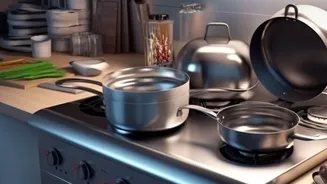
Armed with detailed knowledge, home cooks are also becoming more willing to invest in tools to bridge the equipment gap. While a home tandoor remains impractical for most, cooks have found clever workarounds. Recipes now frequently call for using a cast-iron skillet, a pizza stone, or an overturned kadhai heated to its maximum temperature to mimic the intense, dry heat of a tandoor. The method of flipping the pan upside down over a direct flame is another popular technique shared in online videos to achieve the characteristic char. This combination of detailed recipes and accessible equipment hacks is finally making the dream of perfect, fluffy, homemade naan and kulcha a delicious reality.