


Pattachitra Painting in Raghurajpur
Just 14 kilometres from Puri, the village of Raghurajpur is a visual delight, recognized as Odisha's first heritage crafts village. Here, almost every household is an open-air gallery and studio, with families dedicated to the ancient art of Pattachitra.
This traditional cloth-based scroll painting uses natural pigments to depict intricate mythological narratives. Visitors can walk through the mural-adorned streets, watch artists at work in their homes, and even participate in hands-on workshops. You can learn to grind stone colours and paint your own small canvas, offering a unique opportunity to understand the craft from the masters themselves and purchase authentic art directly from the source.
Vibrant Appliqué Work of Pipili
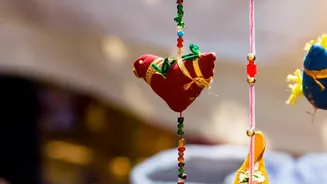
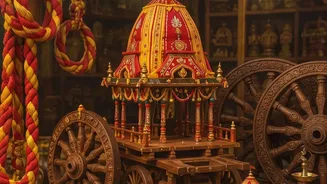
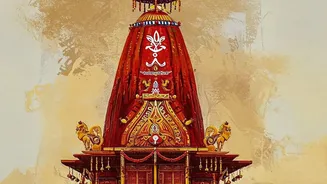
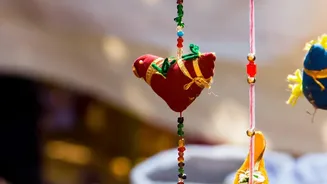
Located conveniently on the highway between Bhubaneswar and Puri, the town of Pipili is a riot of colour, famous for its appliqué work, or 'Chandua'. This craft, historically linked to the Jagannath Temple's annual Rath Yatra for decorating chariots, involves stitching brightly coloured fabric pieces into intricate designs. The streets are lined with shops and workshops displaying everything from giant ceremonial umbrellas and canopies to handbags, lampshades, and wall hangings. Many workshops offer demonstrations where you can watch artisans meticulously cut and stitch motifs of animals, flowers, and deities. Some even provide hands-on sessions, allowing you to try the traditional stitching techniques yourself under the guidance of a local expert.
Silver Filigree (Tarakasi) in Cuttack
Cuttack, known as the Silver City of India, is the heartland of Tarakasi, an exquisite silver filigree craft with a history spanning over 500 years. Artisans here are masters of transforming silver into threads, some finer than hair, and twisting them into delicate, lace-like patterns. A visit to the workshops, concentrated around Naya Sarak and Choudhury Bazaar, offers a mesmerizing look into this precise art form. While full hands-on workshops for tourists are less common due to the skill required, many artisans offer detailed demonstrations. You can watch them melt silver, draw the fine wires, and expertly assemble jewellery, decorative pieces, and miniature temple replicas, gaining a deep appreciation for this GI-tagged heritage craft.
Ancient Dhokra Metal Casting
For a truly ancient art experience, explore the world of Dhokra, a 4,000-year-old 'lost-wax' casting technique practiced by tribal communities. Villages like Sadeibarani in Dhenkanal district are prominent hubs for this craft. The process is fascinating: artisans create a core clay model, cover it with beeswax threads to form the design, and then coat it in another layer of clay. When heated, the wax melts out, and molten brass or bronze is poured into the cavity. The result is a rustic, one-of-a-kind metal object, from tribal deities and animal figurines to jewellery and home decor. Visiting these artisan clusters provides a chance to observe this entire magical process and support a craft that has been passed down for millennia.
Palm Leaf Etching (Tala Pattachitra)
Before paper, there were palm leaves. In Odisha, this ancient medium gave rise to 'Tala Pattachitra', the art of etching intricate illustrations onto dried and treated palm leaves. This delicate craft, like its cloth-based cousin, is a specialty of the artists in Raghurajpur village. The process begins with drying and treating palm leaves to make them durable. Using a sharp iron needle, or 'lekhani', artists etch detailed scenes from epics and folklore onto the brittle surface. A paste of lampblack is then rubbed over the leaf, filling the grooves and making the inscribed image stand out. Visitors can watch demonstrations of this painstaking process and purchase beautiful bookmarks, scrolls, and other art pieces, holding a piece of history in their hands.