





First, What Is Single-Origin?
Before we journey to the rolling hills of South India, let's clarify what makes 'single-origin' so special. Unlike blends, which combine beans from different places to create a consistent taste, single-origin coffee comes from one specific, identifiable
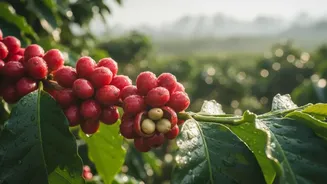
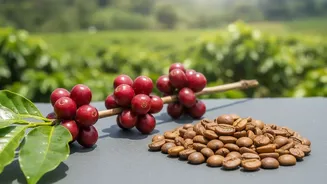
location. This could be a single farm, a cooperative, or a specific region. The beauty of this is traceability and terroir—the idea that each coffee tells the story of its unique environment, from the soil and altitude to the climate and processing methods used there. Drinking single-origin coffee is like a tasting tour, allowing you to appreciate the distinct character and flavour profile that each place brings to the cup. It’s a direct connection to the land and the people who grew the beans.
Chikmagalur: The Birthplace of Indian Coffee
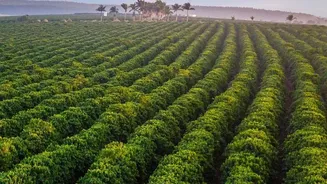
Our journey starts in Chikmagalur, Karnataka, often called the 'cradle of Indian coffee'. Legend says the Sufi saint Baba Budan planted the first seven coffee seeds here in the 17th century after bringing them from Yemen. Today, the region is renowned for its exceptional Arabica beans grown on the lush slopes of the Western Ghats. Chikmagalur Arabica is celebrated for its balanced and mild flavour with a medium acidity. Because the coffee is often shade-grown alongside spices like pepper and cardamom, the beans can develop complex tasting notes. Expect to find hints of citrus, honey, and a subtle spiciness in your cup, sometimes with delightful notes of peach or raisin, making it a vibrant and aromatic brew.
Araku Valley: Organic and Community-Crafted
Nestled in the Eastern Ghats of Andhra Pradesh, Araku Valley offers a story of social empowerment and exceptional organic coffee. Cultivation was introduced here to provide sustainable livelihoods for local tribal communities, who hand-pick the beans in harmony with nature. The coffee is grown at high altitudes without chemical pesticides, resulting in a brew that is both pure and flavourful. Araku Valley Arabica, which has earned a prestigious Geographical Indication (GI) tag, is known for its smooth, full body with low acidity. Its unique flavour profile often features intriguing notes of berry, caramel, and even a hint of chocolatey richness, offering a truly special experience that has won international awards.
Coorg: The Land of Spice and Richness
Our final stop is Coorg, or Kodagu, another jewel in Karnataka's coffee crown. Famous for its misty hills and sprawling plantations, Coorg produces both Arabica and Robusta, but its Arabica is particularly prized. The beans benefit from being shade-grown under a canopy of trees that also support spices like pepper and fruit trees. This unique biodiversity influences the coffee's final taste. Coorg Arabica is typically characterised by a medium-to-full body with very low acidity, resulting in a smooth and balanced cup. The flavour profile is often described as rich and earthy, with distinct notes of chocolate, nuts, and warm spices, making it a comforting and deeply satisfying brew.