


The Truth About Air-Purifying Plants
The belief that houseplants are air-cleaning powerhouses stems from a 1989 NASA study. Researchers found that, in sealed laboratory chambers, certain plants could remove common volatile organic compounds (VOCs) like benzene and formaldehyde from the air.
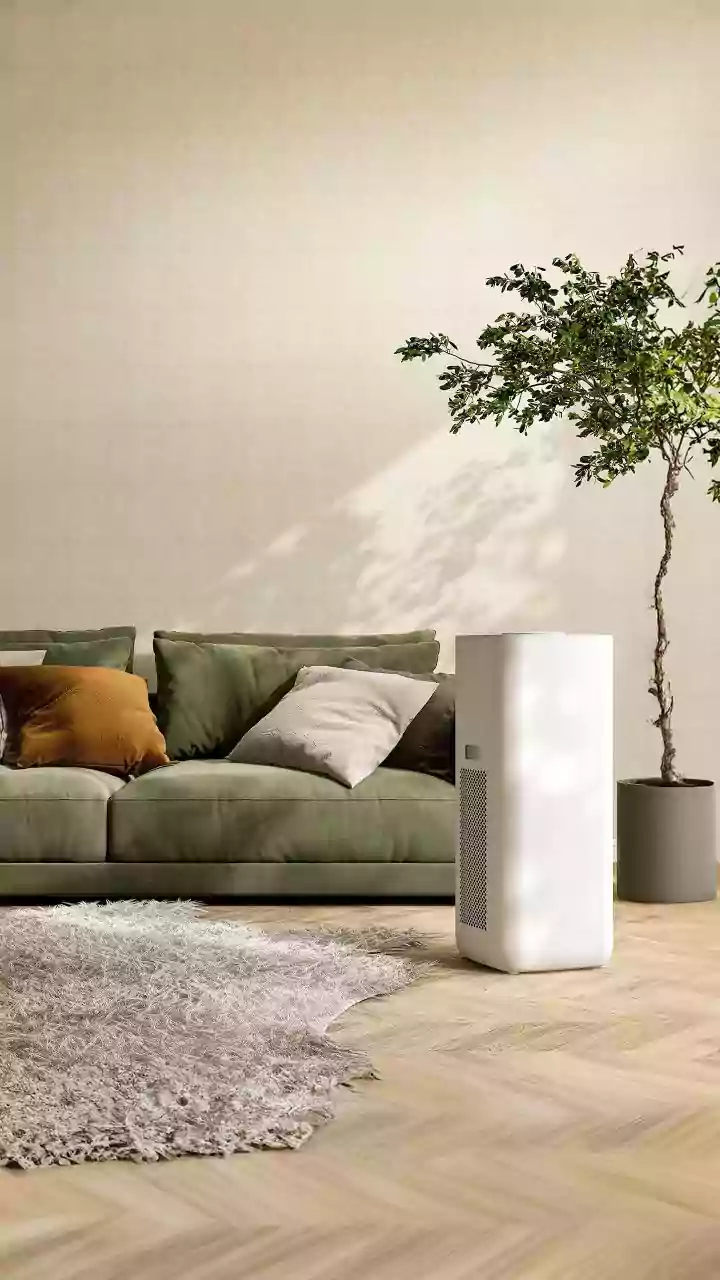
However, our homes are not airtight labs. Subsequent studies have shown that to replicate NASA's results in a typical room with normal air circulation, you would need an impractically large number of plants—some estimates suggest anywhere from 10 to 1,000 plants per square meter. While plants do absorb tiny amounts of pollutants, their effect on overall indoor air quality is minimal compared to proper ventilation or air purifiers. The real, proven benefits of having plants indoors are more about well-being; studies have shown they can reduce stress, boost mood, and create a calming environment.
1. Snake Plant (Dracaena trifasciata)
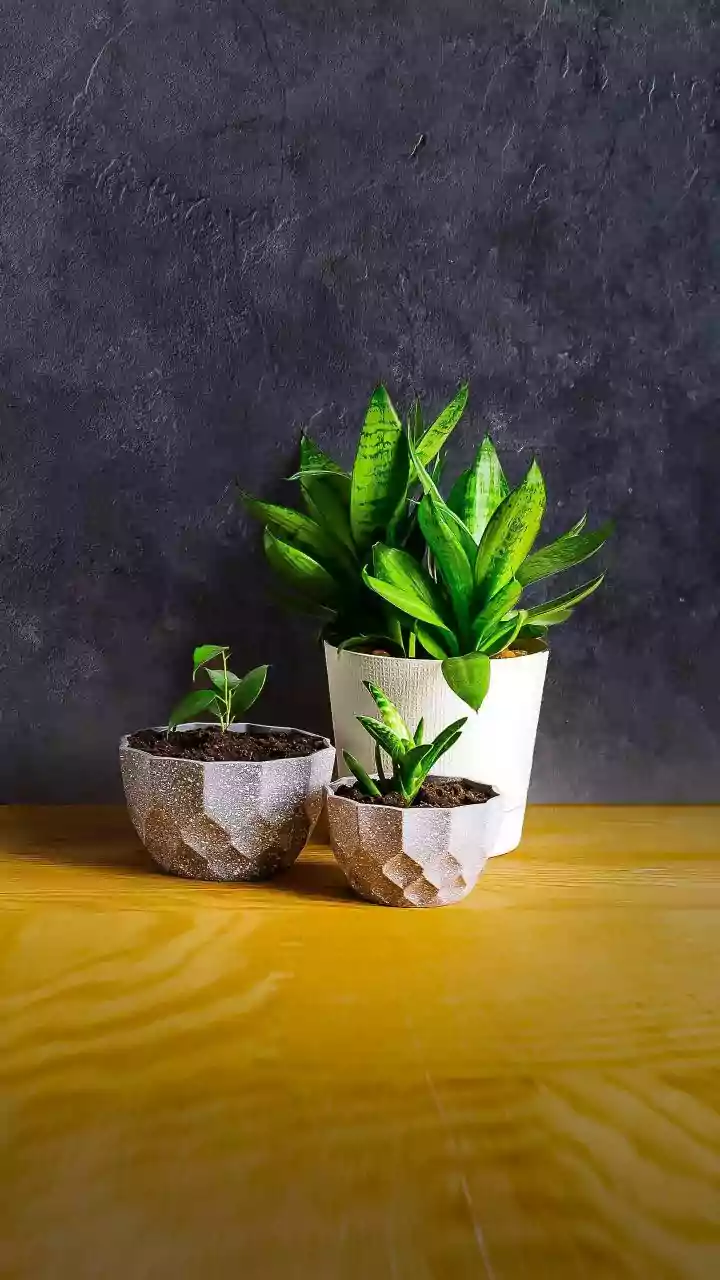
Often called 'Mother-in-Law's Tongue', the Snake Plant is the undisputed champion of low-maintenance greenery. Its stiff, sculptural leaves make a modern statement in any room. Native to West Africa, it's a type of succulent, meaning it stores water in its leaves and is incredibly drought-tolerant. This is the perfect plant for beginners or anyone who occasionally forgets to water their plants. It thrives in a wide range of light conditions, from low indirect light to bright, filtered sun, though it does best with a bit of brightness. A unique feature is that it releases oxygen at night, making it a popular choice for bedrooms.
2. ZZ Plant (Zamioculcas zamiifolia)
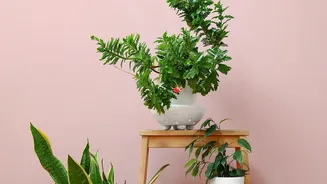
If you're looking for a plant that thrives on neglect, the ZZ Plant is your new best friend. With its wide, dark green, glossy leaves, it adds a touch of lush, tropical flair but is tough as nails. Native to the arid regions of Eastern Africa, it grows from rhizomes that store water, making it extremely forgiving if you miss a watering or two. The ZZ Plant is perfectly happy in low-light environments, making it ideal for offices, hallways, or rooms with few windows. Its slow-growing nature means it won’t outgrow its pot quickly, and it generally remains pest-free. Its resilience and clean, modern look make it a go-to for both new and experienced plant owners.
3. Golden Pothos (Epipremnum aureum)
Known in India as the Money Plant, Golden Pothos is beloved for its fast-growing, trailing vines and heart-shaped leaves, often variegated with yellow or white. It's exceptionally easy to care for and incredibly versatile. You can let it cascade from a hanging basket, train it to climb a bookshelf, or keep it neatly trimmed in a pot. Pothos is not fussy about light, tolerating lower light conditions, though its variegation will be more pronounced with bright, indirect light. It’s also very communicative, with its leaves starting to droop slightly when it needs water, taking the guesswork out of its care routine. Its rapid growth provides a rewarding experience for new plant parents.
4. Spider Plant (Chlorophytum comosum)
The Spider Plant is a classic and resilient houseplant, easily recognized by its arching leaves and the 'spiderettes'—baby plants that dangle from the mother plant like spiders on a web. These plantlets make it incredibly easy to propagate and share with friends. Spider Plants prefer bright, indirect light but are quite adaptable and can manage in shadier spots. They are also known for being non-toxic, making them a safer choice for homes with pets and children. They are fairly low-maintenance and add a playful, retro vibe to any space with their fountain-like foliage.
5. Peace Lily (Spathiphyllum)
For those who want a plant that flowers indoors with minimal fuss, the Peace Lily is an excellent choice. It’s known for its elegant white blooms—which are actually a modified leaf called a spathe—that rise above its glossy, dark green foliage. The Peace Lily is great for beginners because it visually signals when it needs water; the leaves will dramatically droop, perking right back up after a good drink. It prefers consistent moisture and thrives in bright, indirect light but can also tolerate lower light levels, though it may not flower as prolifically in deep shade. It brings a sense of calm and sophistication to a room.
6. Rubber Plant (Ficus elastica)
If you want to make a bold statement, the Rubber Plant is a fantastic option. Its large, waxy, and deep-green or burgundy leaves create a dramatic, architectural look. A member of the fig family, this plant is relatively easy to grow and can reach impressive heights indoors with the right care. It appreciates bright, indirect light—avoiding harsh, direct sun which can scorch its leaves—and prefers its soil to dry out partially between waterings. Wiping its large leaves with a damp cloth not only keeps them dust-free and glossy but also helps the plant breathe. It's a striking plant that adds a touch of the tropics to your home decor.