


A Box Office Full of Flashbacks
The trend has seen remarkable success. Iconic love stories like 'Veer-Zaara' and 'Jab We Met' have been brought back to theatres, often around occasions like Valentine's Day, to packed houses. The 20th-anniversary re-release of 'Veer-Zaara' in 2024 grossed
over ₹5 crore globally, pushing its lifetime earnings past the ₹100 crore mark. Similarly, the re-release of 'Jab We Met' saw houseful shows and earned an impressive ₹1.5 crore. It’s not just the blockbusters; cult films that underperformed on their initial run, like 'Laila Majnu', found new life and impressive occupancy rates of over 40% in their second innings. This success has proven that a film's journey doesn't necessarily end after its first theatrical window.
The Smart Economics of Yesterday
For cinema owners and distributors, re-releasing old films is a low-risk, high-reward strategy. It's a cost-effective way to fill seats, especially when the slate of new films is weak or underperforming. Many big-budget films in recent years have failed to draw audiences, creating a content gap that classics can perfectly fill. With a pre-existing fan base, there's no need for a massive marketing budget. The promotional costs are minimal, and any revenue generated is a welcome bonus for both the rights holders and the exhibitors. As one cinema owner noted, even if occupancy hovers around 30%, it helps keep audience numbers steady and reinforces the habit of going to the movies.
More Than a Movie, It's a Feeling
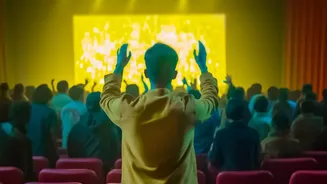
The core driver of this trend is, without a doubt, nostalgia. For audiences who grew up watching these films, seeing them on the big screen again is a powerful experience that transcends mere entertainment. It's an opportunity to relive a specific time in their lives, to reconnect with the emotions and memories associated with that film. Industry experts note that audiences are willing to pay for the theatrical experience, even when the films are readily available on streaming platforms. There’s an irreplaceable magic to watching a beloved story unfold in a dark theatre with a crowd of fellow fans, sharing in the collective gasps, laughs, and tears.
The Social Media Buzz Machine
Today's re-release phenomenon is amplified by social media. The announcement of a classic returning to theatres instantly creates a wave of online excitement. Fans share clips, iconic dialogues, and pictures of their tickets, creating a digital word-of-mouth campaign that costs distributors virtually nothing. This online buzz generates a sense of event, turning a simple screening into a must-attend gathering for fans. Videos of audiences singing and dancing along to famous songs in theatres frequently go viral, encouraging even more people to join in. It’s a self-perpetuating cycle of nostalgia and modern-day hype.
Connecting Generations of Film Lovers
This trend also serves as a cultural bridge between generations. For younger audiences, including Gen Z, who may have only heard about these films from their parents or discovered them on OTT platforms, this is their first chance to experience them in a theatrical setting. It becomes a shared activity, where millennials and Gen X can introduce a new generation to the films that defined their youth. Films that were perhaps ahead of their time, like 'Laila Majnu' or 'Rockstar', have found a new, appreciative audience years later, solidifying their status as cult classics. This cross-generational appeal expands the potential market far beyond the original fanbase.