





Wash Less, Air More
The single most important rule of wool care is to wash it as little as possible. Wool is naturally antimicrobial and odour-resistant, meaning it doesn't need laundering after every wear. Over-washing can strip the natural oils (lanolin) from the fibres,
leading to damage. Instead, simply air your garments out between wears. Hanging a sweater in a well-ventilated area or even in the bathroom while you shower can refresh it effectively, as the steam helps relax wrinkles and neutralise odours. A soft garment brush can also be used to remove surface dust and dirt before they become stains.
The Gentle Art of Washing
When washing is necessary, always check the care label first. Hand washing is often the safest method. Use cool or lukewarm water (around 30°C) and a small amount of a mild, wool-specific detergent. Avoid regular detergents and fabric softeners, which can be too harsh. Let the garment soak for 10-15 minutes, gently squeezing the suds through the fabric. Never rub, twist, or wring the wool, as this friction causes felting and shrinkage. If your machine has a dedicated wool or delicate cycle, that can be an option for some garments; turn them inside out and use a mesh bag for extra protection.
Drying: Flat Is Best
Never put wool clothing in a tumble dryer. The combination of heat and agitation is the fastest way to shrink and ruin a garment. After washing, gently squeeze out excess water. A good technique is to lay the sweater flat on a clean, dry towel, roll the towel up with the sweater inside, and press gently to absorb more moisture. Then, unroll it and lay the garment flat on a drying rack or another fresh towel, away from direct sunlight or heat, which can cause yellowing or damage. Hanging a wet wool sweater will cause it to stretch and lose its shape due to the weight of the water.
Smart Storage to Prevent Damage
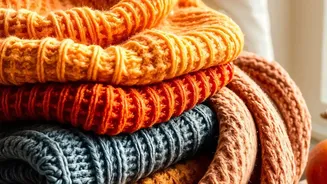
Proper storage is crucial, especially for the long term. The golden rule is to fold your knitwear, not hang it. Hanging causes the fibres, especially around the shoulders and neck, to stretch and become misshapen. Before storing, ensure every piece is completely clean, as moths are attracted to body oils, perspiration, and food residue, not just the wool itself. Store your clean, dry woollens in a cool, dark, and dry place with good air circulation. Avoid attics or basements where temperature and humidity can fluctuate dramatically. For seasonal storage, use breathable cotton bags or storage boxes rather than airtight plastic containers, which can trap moisture and lead to mildew.
Keeping Moths at Bay, Naturally
Mothballs are a relic of the past due to their toxicity and harsh chemical smell. Thankfully, natural deterrents are highly effective. Cedar blocks or balls are a popular choice, as their scent repels moths. To maintain effectiveness, lightly sand the cedar every few months to release the essential oils. Sachets filled with dried lavender are another classic and pleasant-smelling option. Other aromatic herbs like rosemary, thyme, and cloves can also be used in sachets to protect your wardrobe. These natural repellents discourage adult moths from settling in your storage areas.
Tackling Pills and Stains
Pilling—those small, fuzzy balls on the surface—is caused by friction during wear. Never pull them off by hand, as this can damage the fibres further. Instead, use a fabric shaver, sweater comb, or a sweater stone, laying the garment flat and using gentle, even strokes. For stains, act quickly. Blot the area immediately with a clean cloth; don't rub. For most water-based stains like coffee or juice, dabbing with a cloth dipped in cool water and a touch of wool detergent is effective. For oil-based stains, first sprinkle an absorbent powder like cornstarch on the spot, let it sit, then brush it off before treating the residue.