






From Local Gigs to Global Stadiums
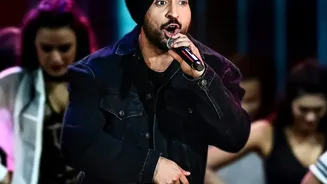
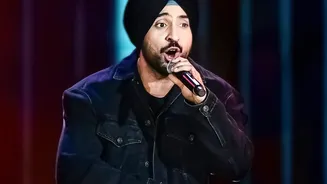
The scale of this global ambition is staggering. Punjabi superstar Diljit Dosanjh has become the poster boy for this movement, repeatedly breaking his own records. His 2026 ‘Aura World Tour’ grossed a massive $32 million in North America alone, drawing
over 225,000 fans. This included two sold-out nights at New York's iconic Madison Square Garden, a first for any South Asian artist. He followed this by becoming the first Punjabi artist to headline London's 90,000-capacity Wembley Stadium in September 2026. This isn't just about one superstar; it's a trend. Indie singer-songwriter Prateek Kuhad has also embarked on extensive international tours, with 2026 dates across the US, Canada, the UK, and Germany. Similarly, Anuv Jain's 'Dastakhat World Tour' saw him performing to sold-out crowds across the US, Europe, and Australia in 2026, building on his viral online fame.
The Power of the Diaspora
A key driver behind this global push is the large and deeply engaged Indian diaspora. For decades, this community has provided a ready-made audience for Bollywood shows and cultural events. Now, they are a powerful market for a wider range of Indian music. Promoters like Live Nation have taken notice, backing major tours for artists like Dosanjh and recognising the immense demand from South Asian communities abroad. The success of these tours is built on a foundation of cultural connection. For many in the diaspora, these concerts are more than just entertainment; they are a vibrant celebration of their heritage and a chance to connect with the sounds of home, from Punjabi pop to indie rock.
The Digital-to-Live Pipeline
This trend wouldn't be possible without the internet. Streaming platforms have become the ultimate launchpad for Indian artists to find global listeners. In 2025, more than 40% of royalties earned by Indian artists on Spotify came from listeners outside India, proving that the appetite for Indian music is a worldwide phenomenon. Artists like Anuv Jain built their careers on platforms like YouTube and Spotify, where songs like 'Baarishein' and 'Husn' racked up hundreds of millions of streams globally before he ever embarked on a major international tour. This digital discovery is crucial; fans first connect with the music online, and that relationship then translates into a willingness to buy concert tickets when the artist comes to their city. Social media virality and inclusion in global editorial playlists have turned regional hits into international anthems.
Beyond Bollywood Beats
While Bollywood music has always had an international following, this new wave is incredibly diverse. The success isn't limited to film soundtracks or Bhangra beats. The rise of independent artists is a significant part of the story. Prateek Kuhad, known for his English and Hindi indie-folk music, has sold out tours across North America and Europe, a testament to his appeal beyond a traditional diaspora audience. His deal with a major US record label, Atlantic Records, for his 2026 album 'Full Moon Chamber' highlights how the global music industry is now investing in Indian indie talent. This diversification shows the growing maturity of the Indian music scene, where multiple genres are finding their footing on the world stage, from hip-hop artists like Divine to soulful singer-songwriters.
What This Means for Indian Music
The globalisation of Indian live music is more than a passing trend; it's a declaration of cultural confidence. Artists are no longer just catering to a domestic audience but are actively building global careers on their own terms. Collaborations are becoming more common, with British star Ed Sheeran performing with Diljit Dosanjh and working with Karan Aujla, further blending musical worlds. This outward focus also has a ripple effect back home, inspiring a new generation of artists to dream bigger. The economics are compelling, with international tours offering new and significant revenue streams beyond streaming and local shows. As Indian artists continue to headline major festivals and sell out arenas from Sydney to San Francisco, they are not just performing songs—they are exporting a vibrant and dynamic piece of modern Indian culture to the world.