



NASA is aiming for the Moon, and the timeline just got a major vote of confidence. The agency confirmed it is still targeting 2028 for Artemis IV, a mission that is now set to be humanity's first return to the lunar surface in over 50 years.
Artemis: A New Generation of Moon Missions
The Artemis
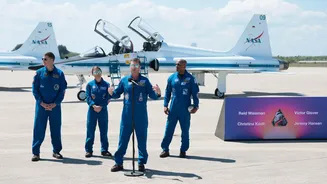
program represents NASA's ambitious effort to establish a sustainable human presence on and around the Moon, with an eye toward future missions to Mars. It began with Artemis I, an uncrewed test flight that successfully orbited the Moon in 2022. That was followed by Artemis II in April 2026, which sent four astronauts on a lunar flyby, marking the first time humans had ventured beyond low Earth orbit since the Apollo era. The original plan was for Artemis III to perform the first landing. However, in early 2026, NASA restructured the program. Artemis III, now scheduled for 2027, will be a mission in low Earth orbit to test docking procedures and other critical systems. This strategic shift has promoted Artemis IV to become the historic landing mission.
Artemis IV: More Than Just a Landing
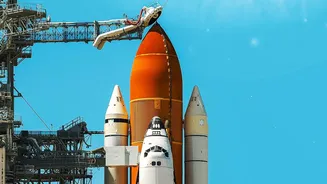
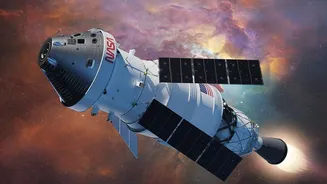
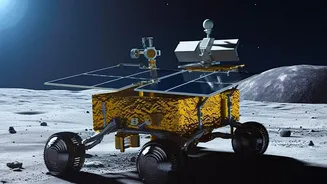
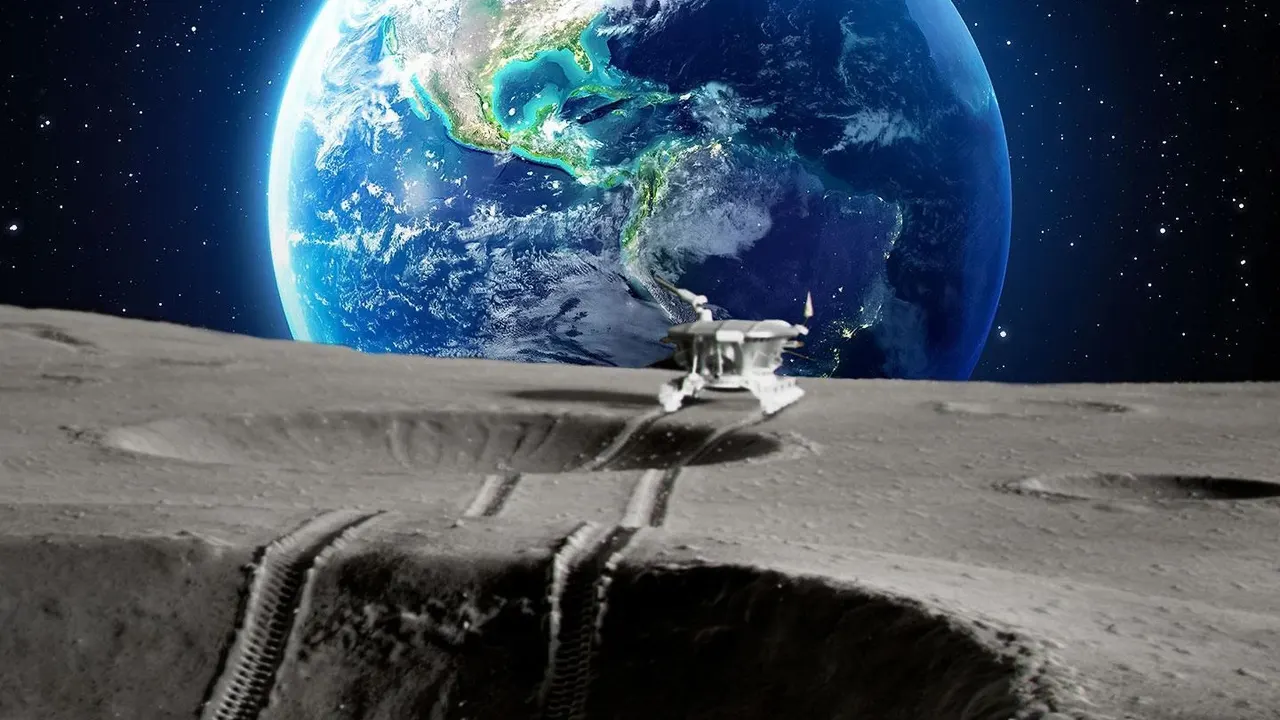
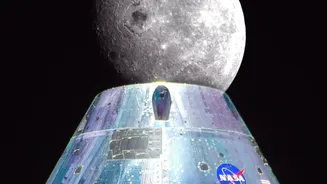
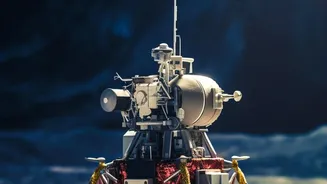
Artemis IV is now slated to be the first crewed lunar landing since Apollo 17 in 1972. The mission plan involves launching four astronauts on NASA's powerful Space Launch System (SLS) rocket inside the Orion capsule. Once in space, they will rendezvous with a separate Human Landing System (HLS) for the journey down to the Moon's south pole. Two astronauts will descend to the surface to spend about a week conducting experiments and collecting samples, while their two crewmates remain in orbit. This mission is critical not just for the landing itself, but for its role in building out a long-term lunar presence. A major program shift in March 2026 saw NASA pause plans for the Lunar Gateway, an orbiting space station, to focus instead on developing a lunar surface base.
The Race for a Lunar Lander
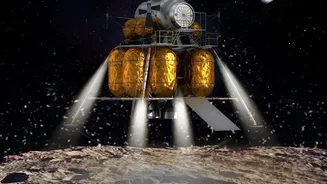
A successful 2028 landing depends entirely on the readiness of a commercial lunar lander. NASA is pursuing a dual-path approach, with contracts awarded to both SpaceX and Blue Origin. SpaceX is developing a version of its massive Starship rocket as its HLS. Blue Origin is leading a 'National Team' to build its Blue Moon lander. Both systems present immense engineering challenges. For Starship, the primary hurdle is orbital refueling. Current estimates suggest it could take anywhere from six to more than twenty tanker launches to fuel a single Starship lander in orbit for its trip to the Moon. This complex maneuver has never been done on this scale and is a critical milestone that must be proven. Both companies are working to accelerate development, with uncrewed test landings being a key prerequisite for the crewed Artemis IV mission.
The Hurdles on the Path to 2028
Beyond the landers, several other challenges could impact the 2028 target. The development of next-generation spacesuits, commissioned from Axiom Space, is reportedly facing delays that could push their availability past the target launch date. The overall cost of the Artemis program, projected to reach $93 billion by 2025, remains a significant concern and subject to scrutiny. Furthermore, NASA's Aerospace Safety Advisory Panel (ASAP) has urged the agency to re_examine mission plans to ensure a balanced approach to risk, especially given the technical novelty of the systems involved. Despite these obstacles, NASA leadership has expressed strong confidence, framing the aggressive schedule as a necessary response to growing international competition and a way to maintain momentum.