



The Environmental Cost of Tradition
For decades, many festive celebrations, particularly Ganesh Chaturthi, have relied on idols made from Plaster of Paris (PoP). While often vibrant and intricately designed, PoP is non-biodegradable and takes months, if not years, to dissolve in water.
During immersion, these idols sink to the bottom of rivers, lakes, and seas, forming a thick, insoluble layer. This process releases harmful chemicals and heavy metals like lead and mercury from the synthetic paints used for decoration, polluting water bodies, harming aquatic life, and impacting human health. The toxic residue can enter the food chain and degrade soil quality when polluted water is used for irrigation.
Returning to Sustainable Roots with Clay
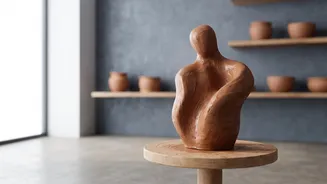
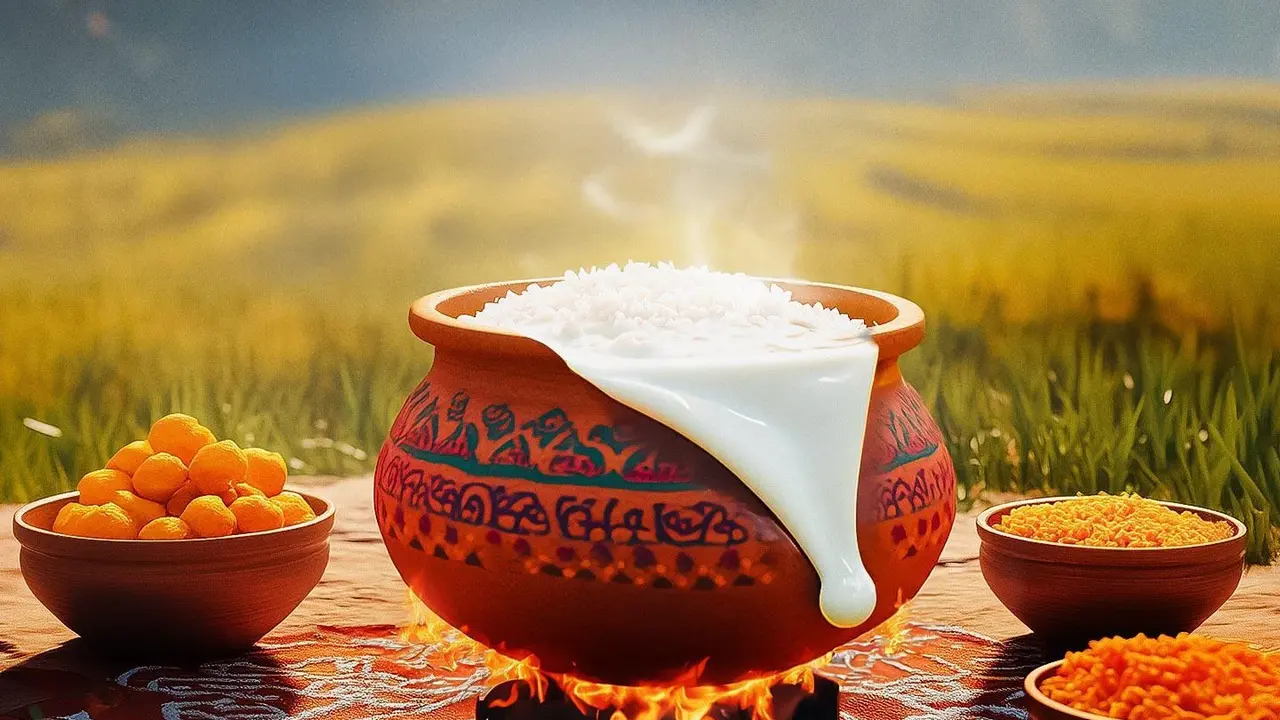
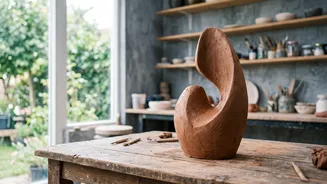
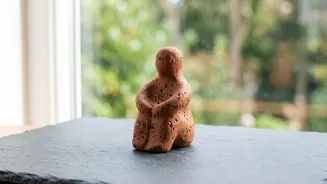
The eco-friendly movement marks a return to age-old practices. Before PoP became common, idols were traditionally sculpted from natural clay, or 'shadu mati'. This sacred clay, sourced from riverbanks, is completely biodegradable and water-soluble. When an idol made of pure clay is immersed, it dissolves within hours, returning to the earth without leaving behind toxic residue. Choosing a clay idol not only prevents water pollution but also supports local artisans who continue this traditional craft, often using natural, non-toxic colours for decoration. This choice aligns the spiritual act of 'visarjan' (immersion) with its intended meaning: a respectful return of the divine to nature.
The Innovation: An Idol That Becomes a Plant
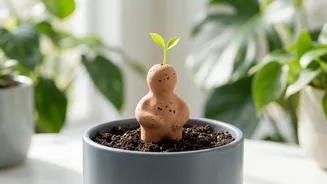
The seed-embedded idol takes the concept of eco-friendly worship a step further. These idols are crafted from natural clay or red soil mixed with organic fertilisers, with plant seeds embedded deep inside. Seeds for plants like tulsi (holy basil), marigold, neem, or various vegetables are popular choices. The innovation lies in the visarjan process. Instead of immersion in a public water body, the idol is placed in a pot or a garden at home. As the idol is watered, the clay dissolves, creating a nutrient-rich soil base from which the seeds can germinate.
A Full Cycle of Devotion and Life
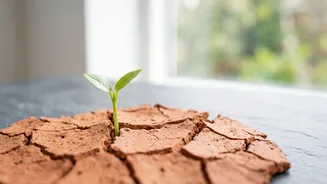
The journey of a seed idol is a powerful symbol of life's cyclical nature. The festival begins with bringing the deity home for worship, just like any traditional celebration. The final ritual, however, transforms from an ending into a new beginning. The at-home immersion becomes an act of planting. In the following weeks, as the clay melts away, a sprout emerges. Devotion doesn't end with the festival; it continues in the daily act of caring for the growing plant. This provides a tangible, living blessing from the festivities, serving as a constant reminder of the connection between faith and the environment. It's an especially wonderful way to teach children about responsibility and the beauty of nature.
More Than a Choice, It's a Statement
Opting for a seed-embedded clay idol is more than just an eco-conscious purchase; it is a profound statement. It signifies a belief that traditions can evolve without losing their spiritual essence. It transforms the festival into an opportunity to actively give back to the environment, turning a ritual of release into an act of creation. By choosing an idol that grows, you are not only preventing pollution but also contributing to household greenery and fostering a deeper respect for nature. It represents a conscious decision to align personal faith with planetary well-being, creating a celebration that is beautiful, meaningful, and truly sustainable for seasons to come.