




Why Dry Air Dehydrates Your Skin
Our skin has a natural protective barrier, known as the stratum corneum, which is designed to keep moisture in and environmental aggressors out. This barrier is like a brick wall, with skin cells as the bricks and natural fats (lipids) as the mortar.
When the air around us is dry, as is common during North Indian winters or in heavily air-conditioned environments, it pulls moisture directly from our skin. This process is called transepidermal water loss (TEWL). Low humidity accelerates TEWL, weakening the skin's barrier, leading to dehydration, increased sensitivity, and that all-too-familiar feeling of tightness and discomfort.
Rethink Your Cleansing Routine
The first step in combating dryness is to ensure you're not stripping your skin from the get-go. Many foaming cleansers, especially those with a high pH or sulphates, can disrupt the skin's delicate acid mantle and lipid barrier. In dry conditions, switch to a gentle, non-foaming, or cream-based cleanser. Look for hydrating formulas that remove dirt and impurities without leaving your skin feeling tight or 'squeaky clean'. Also, consider turning down the heat in your shower. Long, hot showers can feel comforting, but they strip the skin of its natural oils, further compromising its barrier. Opt for shorter, lukewarm showers and gently pat your skin dry afterward instead of rubbing.
Power Up with Hydrating Ingredients
When updating your routine for drier weather, certain ingredients are non-negotiable. Look for products that contain a mix of humectants, emollients, and occlusives. Humectants, like hyaluronic acid and glycerin, are moisture magnets that draw water into the skin. Hyaluronic acid is famously able to hold up to 1,000 times its weight in water, providing a plumping effect. Emollients, such as shea butter and squalane, help to soften and smooth the skin. Finally, occlusives create a physical barrier to prevent moisture loss. Ceramides are a star ingredient here; they are fatty acids that act as the 'glue' holding your skin cells together, reinforcing your natural barrier and locking in moisture.
Master the Art of Layering
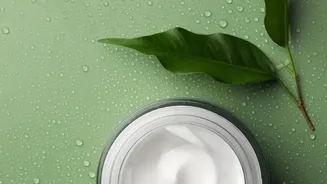
In dry climates, a single moisturiser might not be enough. The key is to layer your products strategically to maximise hydration. A good rule of thumb is to apply products from the thinnest to the thickest consistency. Start with a hydrating essence or toner on damp skin, followed by a serum containing active ingredients like hyaluronic acid. This delivers a direct shot of hydration to the deeper layers of the skin. Follow this with a richer cream moisturiser containing ceramides or shea butter to nourish and repair the skin barrier. For very dry skin, you can seal everything in with a few drops of a facial oil, like argan oil, which acts as a final occlusive layer to prevent TEWL overnight.
Beyond the Bathroom Shelf: Lifestyle Tweaks
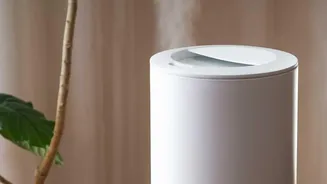
What you do throughout the day also impacts your skin's hydration levels. Using a humidifier in your bedroom or workspace can add much-needed moisture back into the air, reducing the drying effect on your skin. Hydration from within is also crucial. Ensure you are drinking plenty of water throughout the day to support your skin's overall health. Additionally, certain lifestyle factors can contribute to dehydration, including excessive caffeine or alcohol consumption and lack of sleep, as the skin repairs itself overnight. Simple adjustments to your daily habits can provide significant support to your topical skincare routine.