




Meet the Green Contenders
For generations, the Indian office has been powered by two key beverages: the comforting, spiced embrace of chai and the sharp, effective jolt of coffee. But a cultural shift is brewing. Enter matcha and yerba mate, two drinks with ancient roots now finding
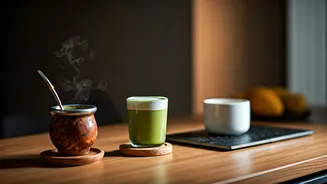
a modern home in corporate India. Matcha, the finely ground powder of specially grown green tea leaves from Japan, has been a part of Zen Buddhist meditative practices for centuries. Yerba mate, a traditional South American holly shrub infusion, has long been a social and energising staple in countries like Argentina and Uruguay. Unlike coffee or tea where leaves are merely steeped, consuming matcha means ingesting the entire leaf, delivering a concentrated dose of its components. Both are now appearing in the pantries and on the desks of professionals seeking a different kind of fuel for their workday.
Calm Focus Over Jittery Energy
The primary driver of this trend is the unique way these beverages deliver energy. While a cup of coffee contains slightly more caffeine on average—around 95mg compared to matcha's 70mg and mate's 80mg—the experience is vastly different. Coffee often provides a rapid energy spike followed by a potential crash. Matcha, however, contains an amino acid called L-theanine. This compound works synergistically with caffeine to promote a state of 'calm alertness'. It slows the body's absorption of caffeine, leading to a smoother, more sustained energy boost for four to six hours without the jitters or anxiety that coffee can sometimes induce. Yerba mate offers a similar benefit, with drinkers reporting a sustained, clean energy boost, thanks to a unique blend of stimulating compounds that feels less harsh than a coffee buzz.
The Rise of Workplace Wellness
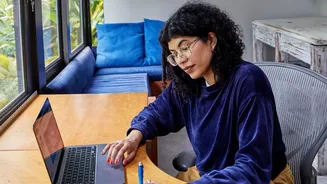
This shift is not happening in a vacuum. It is a direct symptom of the growing emphasis on health and wellness that is reshaping corporate culture in India. Driven by a young, health-conscious workforce, the demand for healthier alternatives is surging. The Indian non-alcoholic beverage market is projected to grow significantly, with a clear trend towards functional drinks that offer more than just hydration or taste. Matcha and mate fit perfectly into this narrative. They are seen not just as drinks, but as tools for productivity and well-being. Rich in antioxidants, they align with a proactive approach to health that extends into the workday. For many, swapping a coffee for a matcha latte is a conscious choice, a small ritual that signals a commitment to a balanced and mindful professional life.
An Acquired Taste for a Growing Market
What was once a niche product found only in speciality stores or online is now hitting the mainstream. India's matcha market is projected to reach approximately $167 million (₹1,400 crore) by 2030. Major coffee chains like Third Wave Coffee and Starbucks now feature matcha prominently on their menus, anticipating the shift in consumer preferences. While high-quality matcha can be expensive and its earthy, umami flavour can be an acquired taste for a palate accustomed to chai, its popularity is undeniable. The trend is most prominent in metropolitan hubs like Mumbai, Delhi, and Bengaluru but is expanding as global exposure through media and travel piques curiosity across the country. This green wave is no longer just a social media aesthetic; it's a solidifying market category.