







A Modern Twist on a Classic
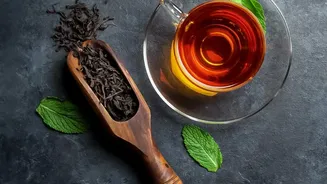
Forget the sugary, powdered iced teas of the past. The new wave of cold beverages focuses on purity and craft. The drink at the centre of this trend is a delicate infusion of fresh Tulsi (Holy Basil) steeped in cold-brewed, single-origin loose leaf tea.
The cold brew method is key; by steeping tea leaves in cold water for several hours, a smoother, naturally sweeter, and less bitter flavour profile is achieved. This slow extraction process preserves the delicate aromatic compounds of both the tea and the Tulsi, resulting in a clean, complex drink that is profoundly refreshing without relying on sugar or artificial additives. It's a beverage designed not just to cool you down, but to be savoured, much like a fine wine or specialty coffee.
The Enduring Power of Tulsi
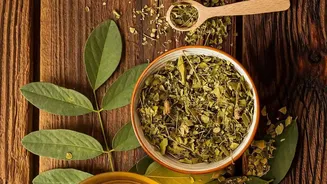
While the format is modern, the hero ingredient is timeless. Revered in India as “The Queen of Herbs,” Tulsi has been a cornerstone of Ayurvedic wellness for thousands of years. Traditionally used in homes for its stress-relieving, immune-supporting, and detoxifying properties, this sacred plant is now finding a new audience. Cafes and beverage brands are tapping into this deep cultural familiarity, presenting Tulsi in a contemporary format that appeals to health-conscious urbanites. By infusing it into a premium cold tea, they are bridging the gap between ancient wisdom and modern lifestyles, offering a functional beverage that feels both authentic and innovative.
Why Single-Origin Matters
The other half of this premium pairing is the use of “single-origin loose leaf tea.” This term signifies that the tea comes from a specific geographical region, often a single estate, and is not a blend of leaves from various sources. Much like with coffee beans, this focus on origin, or 'terroir', allows the unique flavour characteristics of a specific tea garden—be it in Darjeeling, Assam, or the Nilgiris—to shine through. As Indian consumers become more discerning, they are increasingly drawn to the authenticity and distinct flavour profiles that single-origin teas offer. This shift away from mass-market blends towards high-quality, artisanal options signals a maturation of the Indian tea market, where craftsmanship and provenance are becoming as important as the brew itself.
The Urban Wellness Wave
This trend is perfectly aligned with a broader shift in consumer behaviour across India's metropolitan centres. There is a growing movement towards mindful consumption, with a clear preference for natural, low-sugar, and functional beverages. Younger demographics, in particular, are actively seeking out products that support their wellness goals without compromising on taste or experience. A Tulsi-infused cold tea fits this demand perfectly. It offers perceived health benefits from a trusted traditional ingredient, aligns with the 'clean label' movement, and provides a sophisticated alternative to both sugary sodas and alcoholic drinks. It is a beverage that delivers on flavour, function, and feeling good about your choice.
Where Tradition Meets the Cafe
This evolution is most visible in the bustling cafe scenes of Mumbai, Delhi, Gurugram, and Bengaluru, where beverage menus are becoming increasingly creative. As cafe culture expands beyond just coffee, innovative tea preparations are providing a new frontier for exploration. From a 'Pineapple Tulsi Punch' on a modern vegetarian restaurant's menu in Gurugram to artisanal tea boutiques curating unique cold brew options, these drinks are becoming a signature offering. They cater to a customer who is rooted in Indian tradition but has a global palate, someone who appreciates the comfort of Tulsi as much as the complexity of a single-estate Darjeeling. It represents a a beverage that is both a nod to the past and a sip of the future.