


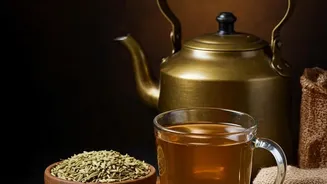
An Ancient Brewing Culture
Long before the British commercialised tea cultivation in the 19th century, India had a deeply rooted culture of brewing local plants for wellness. These weren't 'teas' from the Camellia sinensis plant but herbal decoctions, known in Ayurveda as 'kadha'
or 'kashayam'. Ancient texts like the Vedas mention plant-based infusions used for healing and purification. This tradition views herbs and spices not just as flavourings, but as medicine. Ingredients like tulsi (holy basil), ginger, cardamom, and black pepper were simmered in water to create potent, aromatic drinks designed to balance the body and bolster immunity. This practice was a part of daily life, a mindful ritual far removed from a quick caffeine hit.
The Wisdom of Ayurveda
The foundation of these herbal brews is Ayurveda, India’s ancient system of holistic medicine. Ayurvedic philosophy is built on balancing the body's three fundamental energies, or 'doshas': Vata, Pitta, and Kapha. Herbal decoctions were, and still are, a primary tool for maintaining this balance. A 'kadha' is more than just steeped herbs; it involves boiling ingredients for an extended period to extract their full medicinal essence, creating a concentrated, healing liquid. Each ingredient is chosen for a specific purpose—ginger to aid digestion, tulsi to fight inflammation, and cinnamon to boost metabolism. This approach treats food and drink as a form of preventative medicine, a core principle that makes these brews a 'pure' expression of wellness.
Treasures from the Foothills
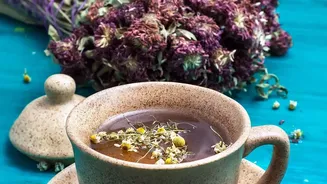
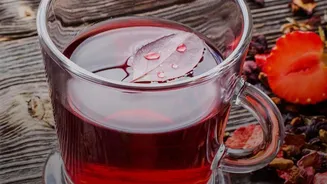
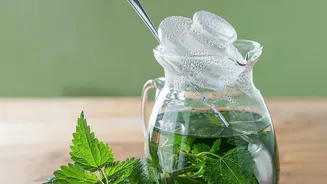
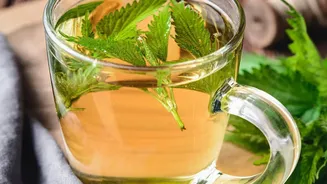
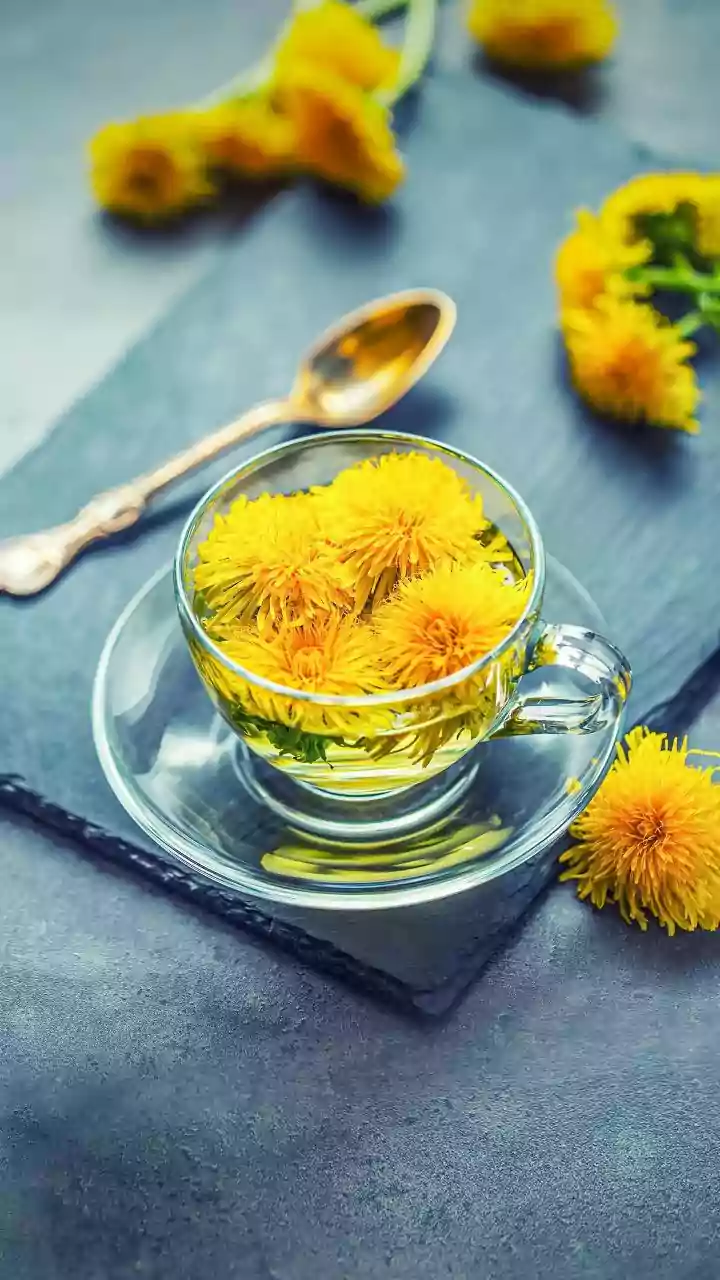
The Himalayan foothills, particularly in states like Uttarakhand and Himachal Pradesh, are a living pharmacy of medicinal plants. The unique high-altitude climate enhances the potency of local herbs. Here, the tradition of dairy-free herbal brews remains vibrant. One of the most cherished examples is tea made from the petals of the rhododendron flower, or 'buransh'. Known for its delicate floral taste, this caffeine-free infusion is a regional specialty used to aid digestion, reduce inflammation, and support lung health. Similarly, brews made from wild Himalayan nettle, tulsi, and lemongrass are commonplace, each offering unique health benefits and a direct taste of the mountain terroir. These are drinks born of their environment, handcrafted using generations of local wisdom.
A Tradition Without Milk
The now-ubiquitous practice of adding milk and sugar to tea is a relatively modern development in India's long history. It was largely popularised during the British colonial era to make the strong, often lower-grade black tea more palatable to a wider audience. The original Indian 'teas' were water-based infusions. The Ayurvedic 'kadhas' and foothill herbal brews were always dairy-free, designed to deliver the unadulterated benefits of the plants themselves. In Ayurveda, milk is often considered to have mucous-forming properties, so spices like cardamom or ginger were traditionally added to counteract this effect when consumed separately. The purity of these ancient brews lies in their simplicity: just herbs, water, and sometimes a natural sweetener like honey or jaggery.
A Modern-Day Revival
Today, these ancient herbal traditions are experiencing a powerful resurgence. As global wellness trends shift towards natural, caffeine-free, and plant-based options, India’s rich heritage of herbal teas is finding a new and appreciative audience. From bustling city cafes to online wellness stores, 'kadhas' and single-herb infusions are celebrated for their authenticity and health benefits. Brands are now working with communities in regions like Uttarakhand to ethically source and share these Himalayan treasures. This revival is more than a trend; it's a rediscovery of a quieter, gentler, and arguably more authentic part of India’s beverage culture, offering a direct connection to the healing wisdom of the land.