


The ‘Bold’ New Wave
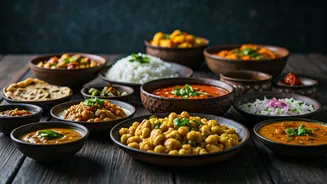
The ‘bold’ aspect of India’s current food mood is defined by a fearless embrace of maximalist flavours and modern techniques. Chefs and home cooks alike are pushing boundaries, creating what some are calling "flavour collision" dishes that layer piquant,
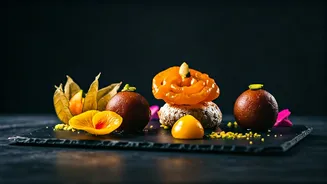
chatpata, and spicy notes in unapologetic ways. [8, 15] This isn’t about subtlety; it’s about creating a multi-sensory experience that is loud, proud, and exciting. [8] We're seeing a move beyond traditional flavour pairings into more adventurous mashups, sometimes influenced by global cuisines like Korean and Mexican. [2, 4] This experimentation also extends to technique, where methods like sous-vide and molecular gastronomy are no longer just for spectacle but are being used to refine the textures of classic dishes without losing their soul. [11, 13] Even desserts are getting a makeover, with traditional mithai being transformed with new textures and less sugar, appealing to a modern, globalised Indian palate. [4, 8]
The ‘Rooted’ Renaissance
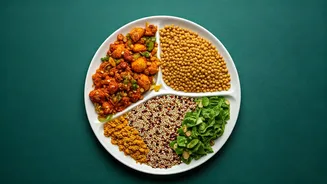
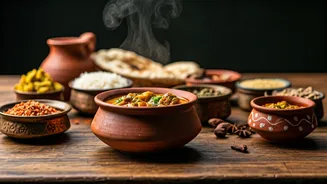
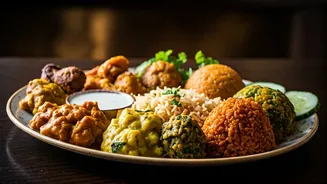
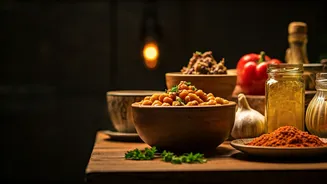
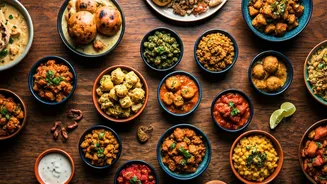
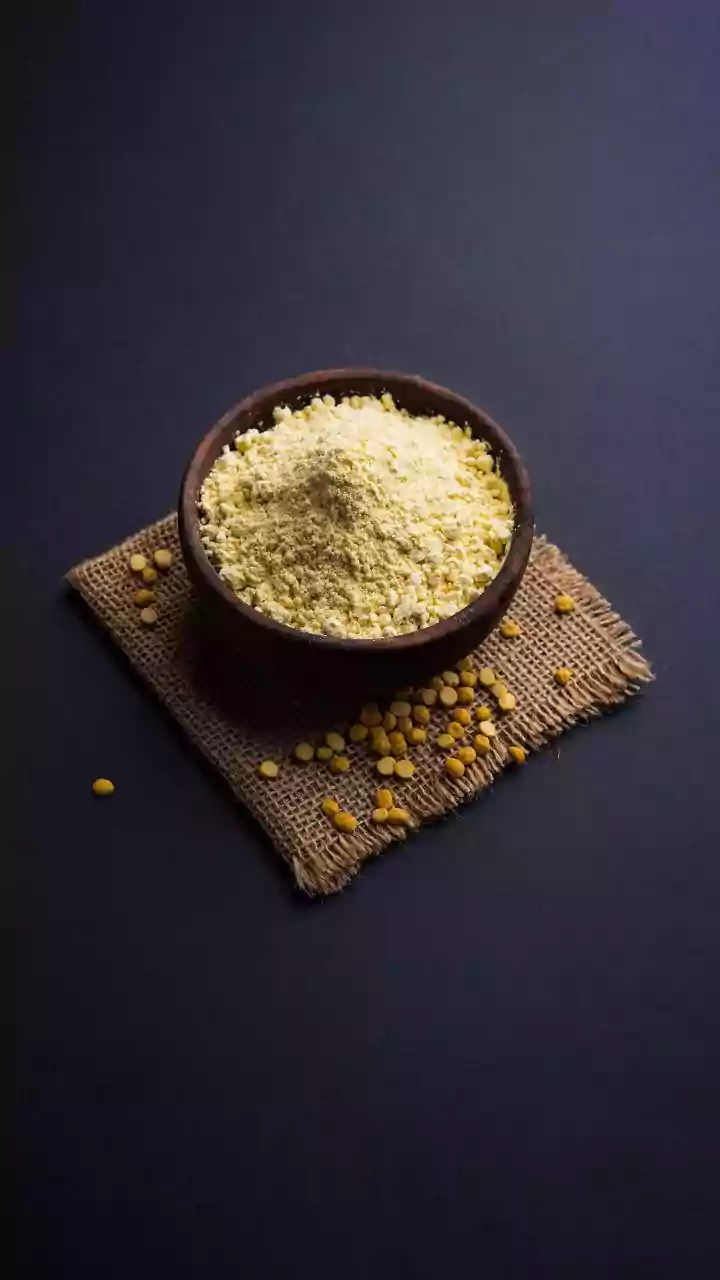
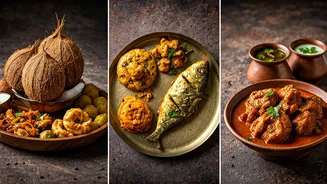
Simultaneously, there is a profound revival of everything ‘rooted.’ This trend is about looking inward and celebrating the immense diversity of India’s own culinary heritage. [12] There's a growing curiosity for micro-regional cuisines from states like Nagaland, Odisha, and even the tribal regions of Jharkhand and Chhattisgarh, which are now finding their way onto urban menus. [3, 6, 12] Diners are no longer satisfied with generic "North Indian" or "South Indian" labels; they want to know the village a dish comes from, the community behind it, and the story it tells. [3, 10, 15] This has led to a newfound appreciation for indigenous ingredients, from heirloom grains like millets to artisanal cheeses from the Himalayas and unique produce like lotus root and banana stem. [3] This return to roots is also about reconnecting with traditional wisdom, including ancient practices like fermentation and embracing cooling foods that align with our climate. [27]
Where Bold and Rooted Intersect
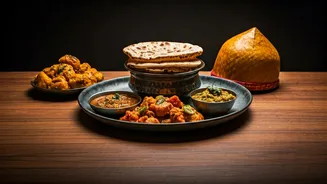
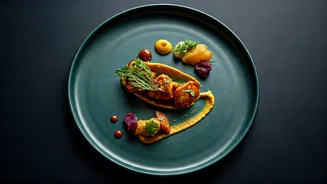
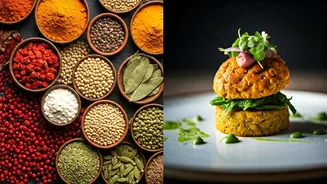
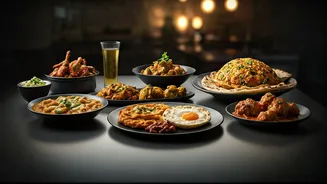
The true magic of 2026 lies where these two currents meet. It's not a competition between tradition and modernity, but a confident fusion. [14] Chefs are applying modern, technique-first approaches to deeply traditional ingredients and recipes. [3] Imagine a classic regional dish, but presented with avant-garde plating, or a street food favourite like chaat reimagined in a fine-dining context. [9] This intersection is about giving centre-plate respect to humble Indian ingredients like jackfruit and lentils, treating them with the same reverence once reserved for imported novelties. [3] This thoughtful fusion is a departure from the earlier, sometimes forced, era of 'fusion food.' [11] Today’s approach is about systemising authenticity, ensuring that regional identity remains precise and clear even when presented in a contemporary format. [14] It signals a new confidence where Indian food no longer feels the need to explain itself in Western terms. [11]
More Than Just Food: A Conscious Choice
This dual movement reflects a broader shift in consumer consciousness. The focus on 'rooted' isn't just about flavour; it's deeply connected to a desire for sustainability, health, and transparency. [9, 16] Diners want to know the story behind their food, driving a trend towards what is being called 'narrative dining.' [15, 17] There's a growing appreciation for the provenance of ingredients and the people who grow them, with a particular spotlight finally turning towards the contribution of female farmers. [8, 21] On the health front, there's a clear move away from excess sugar and a pivot towards functional foods that offer benefits like digestive wellness and emotional balance. [4, 28] Even the fitness industry is catching on, creating savoury, 'namkeen' flavoured protein snacks that align with the Indian palate. [8, 29] This desire for food with purpose and intention is shaping everything from restaurant menus to packaged goods. [7]