




Monitor Weather and Destination Risks
The single most important check is the weather. Don't just look at a general forecast; check for district-level alerts from reliable sources for your chosen destination. Some regions are more prone to landslides, flash floods, and waterlogging during
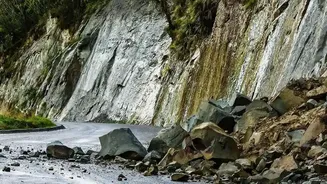
heavy rains. Hill stations like those in Himachal Pradesh and parts of Kerala and Maharashtra can become risky if intense rainfall is predicted. Pay attention to red or orange alerts, which signal severe conditions that could disrupt travel and pose a safety threat. A flexible itinerary with buffer days is a wise strategy, allowing you to adapt if the weather turns.
Vet Your Accommodation and Its Location
Your hotel or resort is your safe haven, especially if you're stuck indoors during a downpour. Before booking, read recent reviews with a focus on monsoon-specific feedback. Look for mentions of leaks, dampness, power backup reliability, and road access during heavy rain. Avoid properties in low-lying areas prone to flooding or those situated precariously on hillsides. It's also wise to choose accommodation with good in-house amenities like a restaurant, so you aren't forced to venture out in bad weather for meals. Calling the hotel directly to ask about their monsoon preparedness and accessibility can provide extra reassurance.
Scrutinise Your Travel Route and Transport
How you get there is just as important as where you're going. Road travel during the monsoon requires extreme caution due to slippery conditions, potholes hidden by water, and the risk of landslides. If driving, ensure your vehicle is serviced, with special attention to tyres, brakes, and wipers. For longer distances, trains can be a more reliable option, though delays are still possible. Before booking any travel, check for real-time updates on road closures or railway disruptions. Opting for flexible or refundable tickets can save you from financial loss if weather forces a last-minute cancellation.
Prioritise a Monsoon-Specific Health Kit
The monsoon brings a higher risk of water-borne and mosquito-borne diseases. While packing, your first-aid kit needs a monsoon upgrade. Include insect repellent, as dengue and malaria cases often rise during this season. Pack water purification tablets or rely strictly on sealed bottled water to avoid stomach infections. Antiseptic cream and waterproof bandages for minor cuts are also essential, as high humidity can slow healing and increase infection risk. Also, carry any personal medications and general medicines for fever and stomach upsets.
Confirm Connectivity and Infrastructure
In an emergency, staying connected is vital. Before finalising your booking, try to get information on the reliability of mobile networks and electricity in the area. Remote resorts, while beautiful, can sometimes suffer from frequent power cuts and poor signal strength. Having a fully charged power bank is non-negotiable. It is also useful to save emergency contact numbers for local authorities before you travel. This simple check ensures you can call for help or stay informed if conditions worsen unexpectedly.
Review Your Travel Insurance Policy
Don't assume your standard travel insurance will cover all monsoon-related issues. Before purchasing a policy, read the fine print carefully. Check specifically for coverage related to trip cancellations or interruptions due to inclement weather, such as named storms or official travel advisories. For a policy to be valid, it must typically be purchased before a weather event like a cyclone is officially named or forecasted. Comprehensive coverage that includes delays, cancellations, and medical emergencies provides the best financial safety net for a rainy-season trip.