


A Paradox of Preservation and Destruction
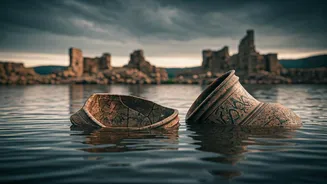
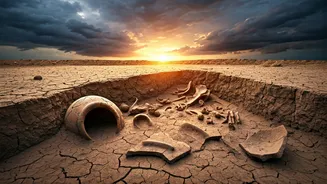
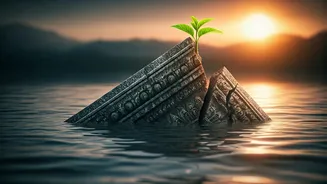
The central challenge of archaeology's new climate chapter is a profound paradox: the very forces destroying priceless historical records in one part of the world are uncovering them in another. Rising sea levels, intensifying storms, and coastal erosion
are obliterating ancient settlements. A single storm can erase decades of history from a shoreline. Meanwhile, in the planet's colder regions, melting glaciers and thawing permafrost are exposing perfectly preserved artifacts and remains that have been locked in a natural deep freeze for millennia. This creates a dizzying new reality for scientists, who are finding themselves in a race against time to document both newly revealed treasures and sites on the verge of disappearing forever.
Thawing Time Capsules
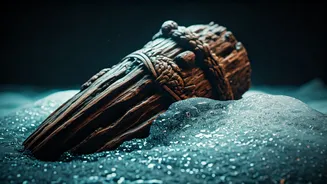
The emerging field of glacial archaeology is yielding spectacular finds. In the high mountains of Norway and the Yukon, retreating ice has exposed ancient mountain passes and hunting grounds. These melting ice patches have revealed thousands of artifacts, including Bronze Age weapons, Iron Age clothing, Viking-era tools, and even prehistoric skis. Because the ice prevents decomposition, objects made of wood, leather, and wool are found in remarkable condition, offering an unprecedented window into the daily lives of ancient people. Discoveries range from entire sets of hunting equipment to the mummified remains of people like Ötzi, the 5,300-year-old man found in the Alps. These finds provide a rich, detailed look at the past that is rarely possible through conventional archaeology.
Racing Against the Rising Tide
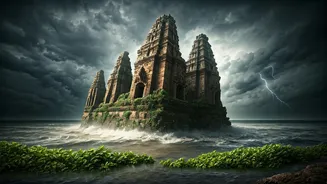
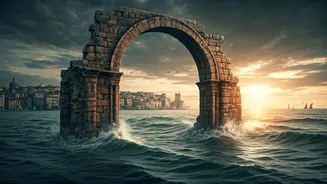
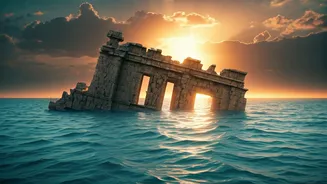
For every discovery in the ice, there is a story of loss along the world's coastlines. Many ancient peoples built their communities along coasts and rivers, meaning a high concentration of archaeological sites are now on the front lines of climate change. Rising seas and more frequent, powerful storms are accelerating coastal erosion, washing away historical evidence. Studies have projected that a sea-level rise of just one meter could threaten over 13,000 recorded archaeological sites in the southeastern United States alone. Globally, iconic locations from the moai statues of Rapa Nui (Easter Island) to the ruins of Tipasa in Algeria are threatened by wave action and flooding. In places like coastal Georgia, models show thousands of Native American and colonial sites are at risk. Archaeologists often call the rising tide a "careless archaeologist," as it rips sites apart rather than submerging them gently.
A New Toolkit for a New Era
In response to this crisis, archaeologists are rapidly adapting their methods. "Rescue archaeology" has become a critical practice, involving urgent excavations to salvage artifacts and data from sites before they are destroyed by erosion or thawing. This is a constant race against time with limited resources. Scientists are also leveraging new technologies, using satellite imagery and drones to monitor remote and threatened areas. In some cases, citizen-scientist programs are being created to help track at-risk sites. For the organic materials emerging from the ice, advanced techniques like DNA analysis and radiocarbon dating are providing incredible insights into ancient diets, tools, and even the genetic history of local populations. These tools are essential not only for making discoveries but for deciding which parts of our heritage to prioritize saving.
What We Stand to Lose and Learn
The loss of archaeological sites is more than just the destruction of old objects; it is the erasure of the stories they contain. These records hold invaluable information about how past societies adapted to environmental changes. The archaeological record provides a much-needed long-term perspective on human resilience that can inform our own responses to the current climate crisis. Ironically, some discoveries from melting ice have revealed how past peoples adapted to earlier periods of climate change. By losing these sites, we lose a vital part of our collective memory and a source of potential lessons for the future. Protecting this heritage is not just about preserving the past, but also about securing the knowledge we need to navigate the years ahead.