





For decades, the mark of a bustling commercial street in India was a chaotic, jam-packed parking lot. But a new urban planning trend is flipping that script, turning spaces once dedicated to cars into vibrant zones for people. What's driving this shift?
The High Cost of Car-Centric Cities
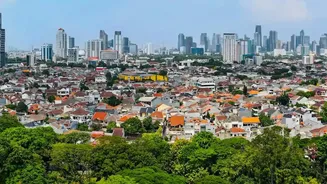
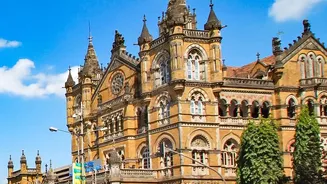
For years, urban planning in India overwhelmingly prioritized vehicles. The result is a familiar story in cities like Mumbai, Delhi, and Bengaluru: crippling traffic congestion, hazardous levels of air pollution, and a constant battle for parking. This approach has not only impacted environmental and public health but also economic productivity, with countless hours lost daily to traffic jams. The core issue is one of space. In a dense, rapidly growing country, dedicating prime urban real estate to storing private vehicles is inefficient and often detrimental. Streets designed solely for vehicle flow often become hostile environments for the majority who walk or use public transport, leading to safety hazards and stifling community life.
A New Philosophy: People Over Parking
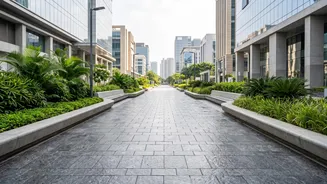
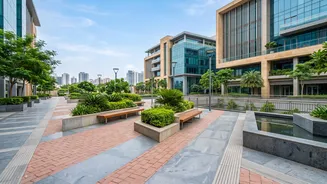
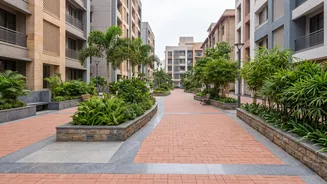
The move towards pedestrian plazas represents a fundamental shift in philosophy: designing cities for people, not just for cars. The goal is to create 'Healthy Streets'—safe, comfortable, and accessible public spaces that encourage walking, cycling, and social interaction. Inspired by successful transformations in cities like Copenhagen and New York's Times Square, Indian urban planners are reclaiming asphalt for public life. This isn't just about aesthetics; it's about creating equitable and inclusive environments. Well-designed plazas cater to everyone, including children, the elderly, and persons with disabilities, offering them a safe space to navigate the city.
From Chennai to Delhi: The Trend in Action
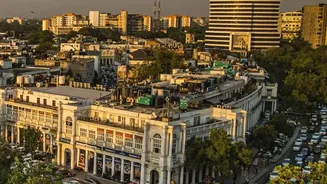
This trend is no longer theoretical. Chennai's Pondy Bazaar in T. Nagar is a prime example. Once a chaotic shopping hub, a 1.4-kilometer stretch was transformed into a pedestrian plaza. The project, completed under the Smart City Mission, involved widening footpaths, adding seating, play areas, and landscaping, and restricting vehicular traffic. Battery-operated vehicles now serve those with mobility challenges. Similarly, the historic Chandni Chowk in Delhi underwent a massive redevelopment to create a pedestrian-friendly precinct, improving the experience for shoppers and tourists. These projects demonstrate a tangible commitment to reimagining how public space is used in India's busiest commercial districts.
The Economic and Social Ripple Effect
The idea that removing cars harms business is a persistent myth. Evidence from India and abroad shows the opposite is often true. Increased foot traffic in pedestrianised zones leads to higher sales for local businesses. A study by the Institute for Transportation and Development Policy (ITDP) found that businesses on improved 'Healthy Streets' in India reported significant increases in turnover. Beyond commerce, these spaces foster a sense of community and improve public safety. A survey by ITDP India found that 89% of women felt safer after street improvements were made. By turning anonymous streets into destinations, plazas encourage social interaction and cultural activities, enhancing the city's overall livability.
Challenges on the Path to Pedestrianisation
Despite the benefits, the transition is not without friction. The primary challenge often comes from vehicle owners and some businesses who fear loss of access and parking. In Chennai, there were initial reports of shopkeepers attempting to convert the new pedestrian spaces into private parking lots. Successfully implementing these projects requires extensive stakeholder consultation to address concerns and secure buy-in. Furthermore, creating car-free zones necessitates a holistic approach, including the development of wellmanaged, multilevel parking facilities nearby and strengthening lastmile connectivity with public transport. Without these supporting systems, pedestrian plazas can struggle to achieve their full potential and may inadvertently shift traffic problems to adjacent areas.