




The Modern Stiffness Problem
If you wake up feeling rigid or end your workday with a stiff back and tight hips, you are not alone. Our lifestyles often involve long hours of sitting—at a desk, in a car, or on the couch. This prolonged inactivity can cause muscles to shorten and tighten,
leading to that all-too-familiar feeling of physical stiffness. This lack of movement reduces the functional range of motion in our joints and can contribute to poor posture and discomfort. Over time, what starts as minor stiffness can become a chronic issue, making everyday movements feel like a chore. The solution isn't necessarily intense, punishing exercise; in fact, gentle, consistent movement is often exactly what the body needs to reset.
More Than Just Stretching
Yoga's power to increase flexibility goes deeper than a simple stretch. The practice combines physical poses (asanas) with controlled breathing (pranayama) and mindfulness. This trifecta works to gently lengthen muscles and, crucially, the connective tissues surrounding them. Holding a pose for a period of time encourages not just temporary elasticity but also lasting plasticity, where the muscle adapts to a new, longer length. Furthermore, the focus on deep breathing helps calm the nervous system. When your nervous system feels safe and relaxed, it signals your muscles to let go of tension, allowing for a deeper and more effective release. This process also improves blood circulation, delivering more oxygen to tight muscles and helping them relax and recover.
Simple Poses to Start Today
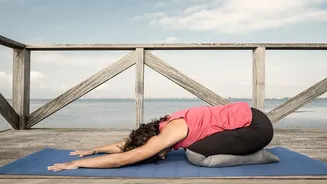
You don't need to twist yourself into a pretzel to reap the benefits. Some of the most effective asanas for beginners are the most fundamental. Cat-Cow Stretch (Marjaryasana-Bitilasana): This gentle, flowing movement is excellent for warming up and increasing the mobility of the spine. Moving between the two poses helps to relieve tension in the back and neck. Child's Pose (Balasana): Considered a resting pose, Child's Pose provides a gentle stretch for the lower back, hips, and shoulders. It's a perfect beginner pose to release tension and calm the mind. Downward-Facing Dog (Adho Mukha Svanasana): This foundational yoga pose provides a full-body stretch, targeting the hamstrings, calves, spine, and shoulders all at once. Bending the knees slightly can make the pose more accessible for those with tight hamstrings. Bridge Pose (Setu Bandhasana): While lying on your back, this pose gently opens up the chest and hip flexors—two areas that become notoriously tight from sitting. It also helps to strengthen the back and glutes.
Consistency Over Complexity
The key to building long-term flexibility isn't about achieving the most advanced poses on your first day. Instead, focus on creating a consistent practice, even if it's just for 5 or 10 minutes each day. Regular, gentle movement signals to your body that it's safe to release tightness. Over time, your range of motion will naturally increase. It's more effective to practice a few simple poses with mindful attention every day than to push yourself through a difficult, hour-long class once a month. Listen to your body, never push into pain, and be patient with your progress. Flexibility is a journey, not a destination, and every session contributes to a more mobile, comfortable body.
Benefits Beyond Flexibility
While greater flexibility is a primary benefit, the positive effects of a simple yoga practice don't stop there. By focusing on alignment in each pose, you naturally begin to improve your posture, which can prevent future discomfort. The combination of movement and breathwork is also a powerful tool for stress management, helping to lower levels of cortisol, the body's main stress hormone. Many people also report better sleep and a greater sense of overall well-being. By taking a few minutes to connect with your body and breath, you are investing in both your physical and mental health, creating a positive ripple effect that extends far beyond the yoga mat.