





The Carbohydrate Conundrum
Not all carbohydrates are created equal. They fall into two main camps: simple and complex. Simple carbs, like those in sugary drinks, sweets, and refined grains like white bread and white rice, are digested quickly. This leads to a rapid spike in blood
sugar, followed by a crash that can leave you feeling tired and hungry again soon after. While they provide a quick burst of energy, they often lack essential nutrients like fibre, vitamins, and minerals because the refining process strips them away. Complex carbohydrates, found in whole foods, are a different story. Their structure is more intricate, meaning your body takes longer to break them down. This ensures a slower, more stable release of energy, keeping you fueled and focused for longer without the dramatic highs and lows.
Enter the Humble Pulse
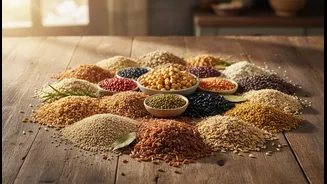
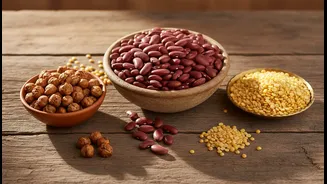
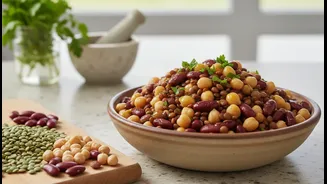
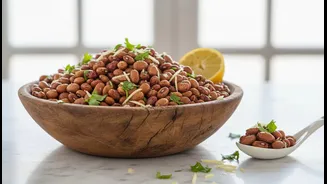
This is where pulses shine. The term 'pulses' refers to the edible dry seeds of legume plants. This group includes kitchen staples familiar to every Indian household: lentils (dal), chickpeas (chana), kidney beans (rajma), and dried peas. What makes them so special is their unique nutritional composition. They are a powerhouse of complex carbohydrates, but they come bundled with significant amounts of plant-based protein and dietary fibre. A single serving of pulses can provide a substantial portion of your daily protein and fibre needs. This combination is what sets them apart from most other carbohydrate-rich foods, which are often low in either protein or fibre.
The Power of the Package
The magic of pulses lies in this protein-fibre-carb trifecta. The high fibre and protein content slows down digestion. This means the carbohydrates in pulses are broken down and their glucose is released into the bloodstream much more gradually. This is reflected in their low glycemic index (GI), a measure of how quickly a food raises blood sugar levels. Foods with a low GI help prevent sharp energy spikes and promote stable blood sugar, which is crucial for long-term health and managing conditions like type 2 diabetes. Furthermore, this slow-digesting nature helps you feel fuller for longer. This increased feeling of satiety can help manage appetite, reduce overall calorie intake, and support healthy weight management.
More Than Just Balanced Carbs
The benefits of pulses extend far beyond balanced energy. They are also packed with essential micronutrients that are vital for overall health, including iron, folate, potassium, and magnesium. The high fibre content is a gift to your digestive system, promoting regular bowel movements and feeding the beneficial bacteria in your gut. A healthy gut microbiome is linked to numerous aspects of well-being, from a strong immune system to improved mood. For those looking for plant-based nutrition, pulses are an excellent source of protein. While they are sometimes called an 'incomplete' protein, simply pairing them with a whole grain like rice or roti—as is traditional in countless Indian meals—provides all the essential amino acids your body needs.
Making Pulses a Daily Staple
For many in India, pulses are already a cornerstone of the diet, from a simple dal tadka to a flavourful chana masala. The key is to embrace their versatility even further. Start by aiming to include them in at least one meal a day. You can add a handful of boiled chickpeas or kidney beans to your salad for extra texture and protein. Blending pulses into soups and stews is an easy way to thicken them and boost their nutritional value. Hummus, a simple dip made from chickpeas, is a fantastic, healthy alternative to mayonnaise on sandwiches or as a snack with vegetable sticks. You can even swap some of the meat in dishes like keema or bolognese with lentils to make the meal lighter, more affordable, and higher in fibre.