



Understanding Autumn Conditions
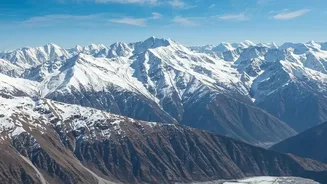
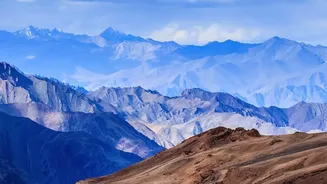
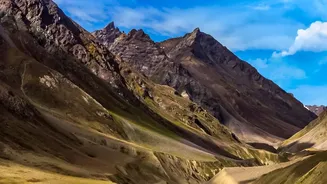
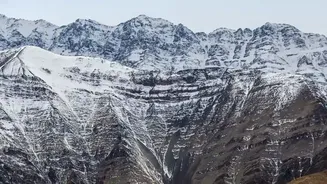
September and October mark the transition from a mild summer to a harsh winter in Spiti. Early autumn offers pleasant days (10-15°C) and clear skies, but temperatures drop sharply after sunset, often falling below freezing. By late October, expect sub-zero
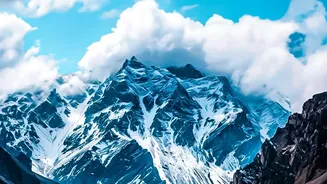
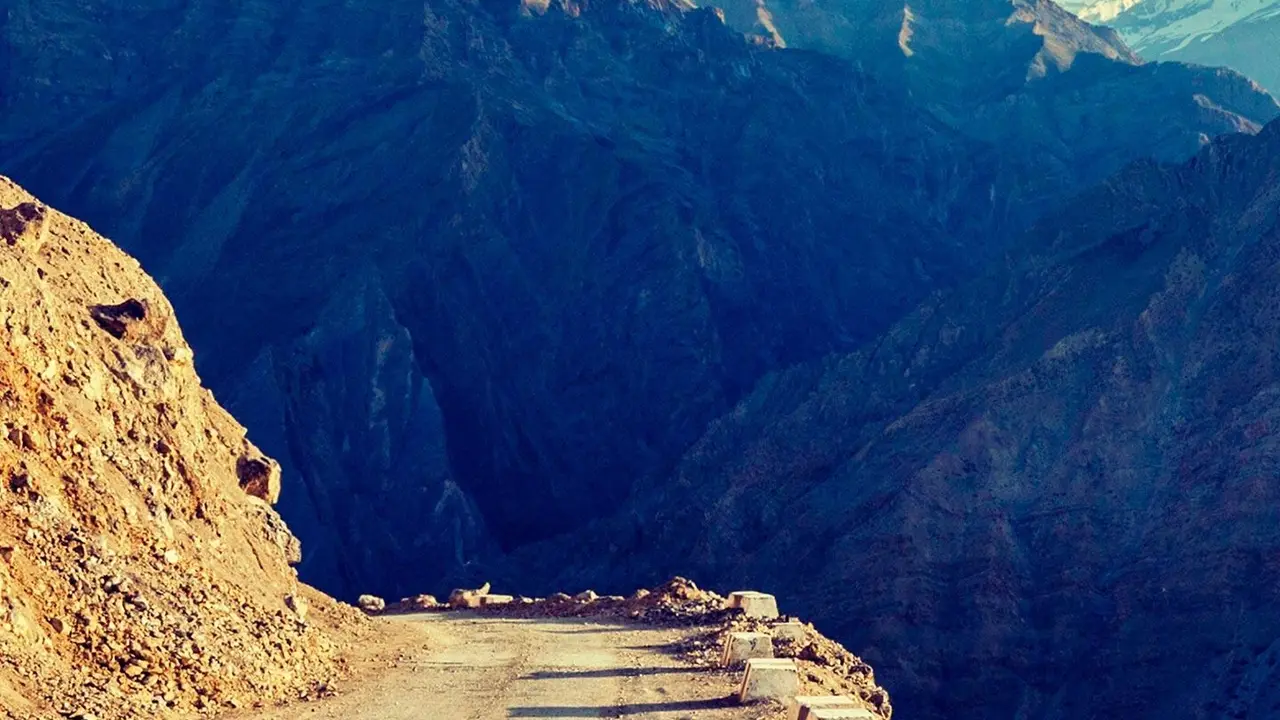
nights and a real possibility of snowfall, especially at high passes like Kunzum La. This can lead to the formation of black ice, a transparent and dangerous layer of ice on the road. The Manali-Kaza highway, via Kunzum Pass, becomes unpredictable and often closes by mid-to-late October. The Shimla-Kinnaur route is generally more reliable, offering a gradual ascent and staying open longer.
Vehicle Preparation is Key
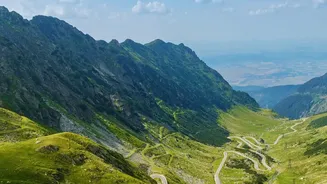
Your vehicle is your lifeline in this remote terrain. Before you start, ensure a full service, paying close attention to brakes, tyres, engine oil, and coolant. Mountain roads are narrow and challenging, so good tyre tread is crucial for grip. While a 4x4 offers an advantage, many travellers complete the trip in SUVs and even hatchbacks with careful driving. Carry a complete toolkit, a spare tyre, a puncture repair kit, and a tyre inflator. Given the sparse population and limited services, also pack jumper cables and extra coolant. Fuel stations are few and far between; always refuel when you get the chance in towns like Reckong Peo or Kaza and consider carrying a spare jerry can of fuel.
Respect the Altitude: Acclimatisation
Acute Mountain Sickness (AMS) is a serious risk in Spiti, where you’ll be consistently above 3,000 metres. AMS is caused by ascending too quickly, not giving your body time to adjust to lower oxygen levels. Symptoms include headache, nausea, dizziness, and fatigue. To prevent it, ascend gradually. The Shimla-Kaza route is highly recommended as it allows for a slower climb. Plan for acclimatisation days. Spend at least one night in a mid-altitude town like Kalpa or Nako (around 3,000 metres) before proceeding to Kaza (3,800 metres). Stay hydrated by drinking 4-5 litres of water daily, avoid alcohol and smoking, and eat carbohydrate-rich meals. If symptoms are severe, the only cure is immediate descent.
Essential Packing and Supplies
Packing in layers is the golden rule for Spiti's fluctuating temperatures. Your clothing should include thermal innerwear, a fleece mid-layer, and a windproof, waterproof outer jacket. Don't forget heavy woollens, multiple pairs of woollen socks, waterproof shoes, gloves, and a warm cap or balaclava. The high-altitude sun is harsh, so UV-protection sunglasses, sunscreen (SPF 50+), and lip balm are non-negotiable. Carry a comprehensive first-aid kit with basic medicines for headache, nausea, and diarrhoea, plus any personal medications and supplies for AMS as advised by your doctor. Since mobile networks are unreliable outside of main towns and ATMs are scarce, carry enough cash and download offline maps.
Permits and On-Road Realities
For Indian citizens, no special inner line permit is required to visit the main areas of Spiti Valley. You just need to carry a valid government-issued photo ID like an Aadhaar card or driving license for registration at various police checkposts. However, if your route includes the Manali-Kaza axis, your vehicle will need a permit to cross the Atal Tunnel and go beyond. Foreign nationals require a Protected Area Permit (PAP) for Spiti. Always drive during daylight hours, as night driving is dangerous on these unlit mountain roads. Be prepared for limited amenities; many smaller guesthouses and dhabas may close by late October. Drive slowly, be patient, and always give way to uphill traffic.