



The Appeal of Kitchen-Based Skincare
Using leftover fruit peels as a DIY facial treatment has become a popular sustainable beauty hack. The logic is appealing: peels from fruits like oranges, lemons, papayas, and pineapples are packed with beneficial compounds. Many contain alpha-hydroxy
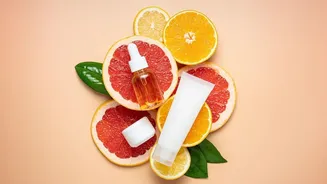
acids (AHAs) and enzymes that can exfoliate the skin, helping to remove dead cells, brighten tone, and unclog pores. Citrus peels, for instance, are rich in Vitamin C, an antioxidant that can help with pigmentation and oiliness. Meanwhile, papaya and pineapple contain the enzymes papain and bromelain, which gently dissolve the proteins holding dead skin cells together. This promise of a professional-level glow using natural, cost-effective ingredients is a powerful draw for anyone interested in clean beauty.
Why Winter Air Changes Everything
During winter, the combination of cold outdoor air and dry indoor heating wreaks havoc on our skin's protective barrier. This barrier is a crucial layer of oils and lipids that keeps moisture in and irritants out. When it's compromised, skin loses water more rapidly, leading to dryness, tightness, and increased sensitivity. Applying an acidic or enzymatic peel to an already weakened barrier is a recipe for trouble. Instead of a healthy glow, you risk over-exfoliation, which can manifest as redness, stinging, flaking, and even post-inflammatory hyperpigmentation. Even gentle peels can become problematic when your skin is already fighting to stay hydrated and balanced against the harsh winter elements.
Gentler Peels for Sensitive Winter Skin
If you want to continue using fruit peels through winter, it's wise to switch to milder options. Banana peels are rich in antioxidants and can be soothing and hydrating. Papaya and pumpkin peels are also excellent choices as they rely on enzymes, which are often gentler than the potent AHAs found in citrus. These enzymes tend to be self-limiting, meaning they only digest dead skin cells without affecting the healthy living cells underneath. This makes them a much safer bet for skin that is already feeling the strain of the season. Think of them as polishing the skin rather than stripping it.
A Safety Guide for DIY Peels
Regardless of the fruit, safe application is non-negotiable, especially in winter. Before you apply anything to your face, always perform a patch test on a small, discreet area of skin, like behind your ear or on your inner arm, and wait 24 hours to check for a reaction. When you're ready to proceed, start with clean, damp skin. Apply a thin layer of your chosen peel, carefully avoiding the delicate eye and lip areas. Limit the application time significantly—no more than 5-10 minutes is a good rule of thumb. It's crucial to listen to your skin; if you feel anything more than a slight tingle, rinse it off immediately with cool water.
Essential Post-Peel Aftercare
What you do after the peel is just as important as the peel itself. After rinsing thoroughly with cool water, pat your skin dry—never rub. Your immediate next step should be to replenish the skin's moisture barrier. Apply a hydrating serum with ingredients like hyaluronic acid, followed by a thick, nourishing moisturizer that contains ceramides or shea butter to lock everything in. Finally, sun protection is mandatory. Freshly exfoliated skin is extremely vulnerable to UV damage, even on cloudy winter days. Applying a broad-spectrum sunscreen with an SPF of 30 or higher will protect your new skin and prevent trading dullness for sun damage.