




Why Functional Core Strength Matters
Before diving into the exercises, it's important to understand what 'functional' really means. Many traditional ab workouts, like endless crunches, target only the surface 'six-pack' muscle (the rectus abdominis). A functional approach, however, strengthens
the entire core: a group of muscles that wrap around your torso, including your deep abdominals, obliques, and lower back. This network of muscles acts as your body's central support system. A strong, stable core improves your posture, enhances balance, prevents lower back pain, and transfers power for everyday activities like lifting, twisting, and carrying. These workouts focus on training these muscles to work together, just as they do in real life.
The Forearm Plank: A Foundational Hold
The plank is a fundamental exercise for building core stability and endurance. It challenges multiple muscles at once without putting strain on the spine. How to do it: Lie face down and place your forearms on the floor, with your elbows stacked directly under your shoulders. Extend your legs back, resting on your toes. Lift your body to form a straight line from your head to your heels. Engage your core by pulling your belly button toward your spine and squeeze your glutes to keep your hips from sagging or rising too high. Keep your gaze on the floor to maintain a neutral neck. Aim to hold for 20-60 seconds, focusing on perfect form.
The Dead Bug: Spine Stability Champion
The dead bug might have a silly name, but it is one of the most effective exercises for teaching your core to stabilize your spine while your limbs are in motion. This makes it excellent for improving coordination and protecting your lower back. How to do it: Lie on your back with your arms extended toward the ceiling, directly over your shoulders. Lift your legs so your hips and knees are bent at a 90-degree angle, with your shins parallel to the floor. The most important step is to press your lower back firmly into the floor; there should be no gap. Slowly lower your right arm and left leg toward the floor simultaneously. Go only as low as you can without your lower back arching. Return to the start with control and repeat on the other side, lowering your left arm and right leg. That’s one repetition. Focus on slow, deliberate movements.
The Bird-Dog: Building Balance and Control
The bird-dog is another fantastic exercise for enhancing stability, balance, and coordination. It targets the core while also engaging the muscles in your back, hips, and shoulders, making it a highly functional movement that mimics how your body stabilizes itself during daily activities. How to do it: Start on all fours in a tabletop position, with your hands directly under your shoulders and your knees under your hips. Engage your core to keep your back flat and your hips level. Simultaneously extend your right arm straight forward and your left leg straight back. Imagine balancing a glass of water on your lower back to avoid tilting. Hold for a moment, then slowly return to the starting position. Repeat with your left arm and right leg to complete one rep. The key is to prevent rotation in your torso.
Bicycle Crunches: Targeting the Obliques
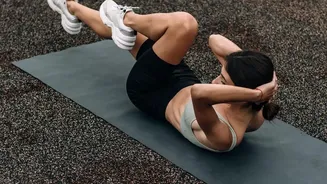
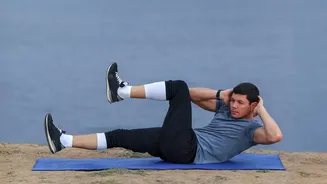
While standard crunches have their limits, the bicycle crunch is a dynamic movement that effectively targets the rectus abdominis and, crucially, the obliques (the muscles on the sides of your abs). How to do it: Lie on your back with your hands gently behind your head and your knees bent. Lift your head and shoulders off the floor. Bring your right knee toward your left elbow while straightening your left leg. Then, switch sides, bringing your left knee toward your right elbow as you extend your right leg. The movement should be controlled, not rushed, with a twisting motion coming from your torso, not just your neck. Keep your lower back pressed toward the floor to ensure your abs are doing the work.
Glute Bridge: Connecting Core and Lower Body
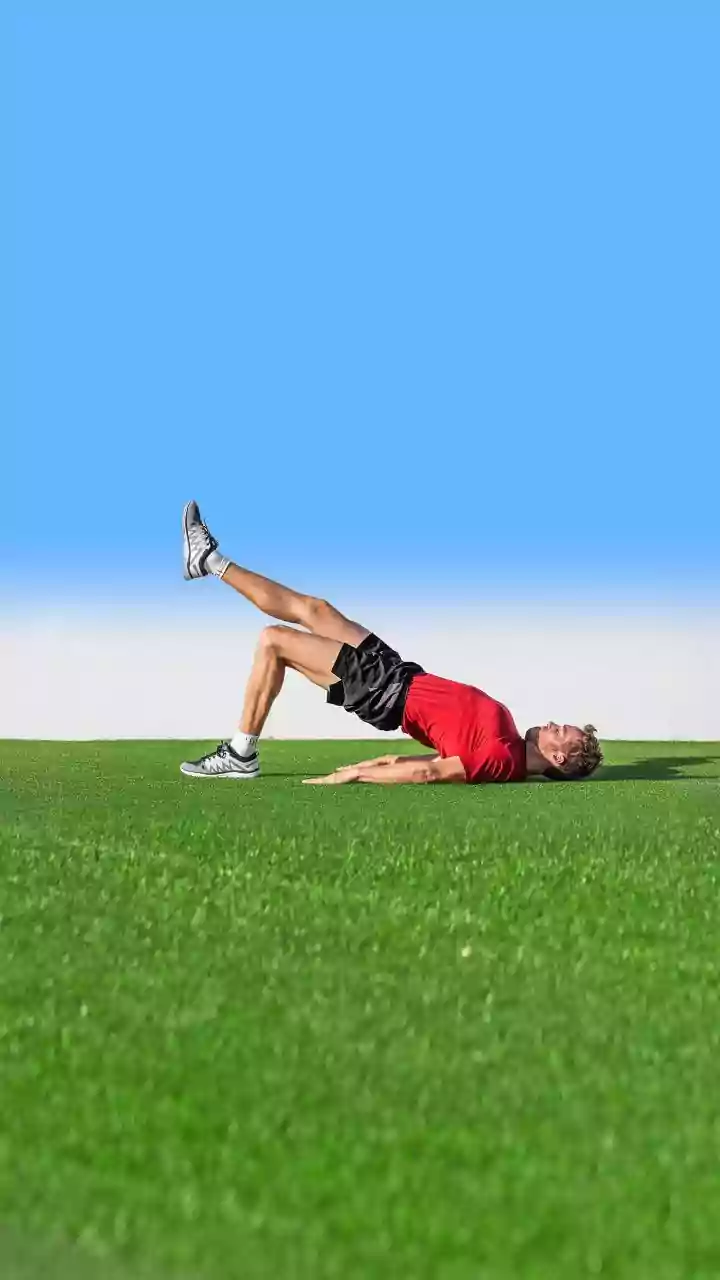
A strong core doesn't work in isolation; it functions in tandem with your glutes and hamstrings. The glute bridge strengthens this entire posterior chain, which is vital for good posture and preventing back pain. How to do it: Lie on your back with your knees bent, feet flat on the floor about hip-width apart, and your arms at your sides with palms down. Engage your core and squeeze your glutes to lift your hips off the floor until your body forms a straight line from your shoulders to your knees. Hold the position at the top for a couple of seconds, making sure not to over-arch your back. Lower your hips back down with control to complete one rep.