



Know the Season: Is Late-Monsoon Rafting Safe?
The most critical factor for a September trip is timing. River rafting in Rishikesh is officially closed during the peak monsoon months of July and August due to dangerously high water levels. Operations typically resume in mid-to-late September, with
the exact date depending on when the river flow is deemed safe by authorities. For the 2026 season, rafting is expected to reopen around September 23rd. While the post-monsoon river is energetic and thrilling, it's crucial to confirm that commercial operations have officially started. Never attempt to raft with an uncertified operator who ignores the official closure period. The late-September to November window is often considered one of the best times to go, as the river is fresh and the weather is pleasant.
Choose a Certified Operator, Not Just a Cheap One
Your safety depends almost entirely on the quality of your rafting operator. In Rishikesh, you'll find countless vendors, but not all are created equal. For a budget trip, it's tempting to pick the lowest price, but this can be a major red flag for compromised safety. A reputable company will be government-recognized and employ experienced, certified guides. They provide high-quality equipment, including well-fitting life jackets and helmets, and conduct a thorough safety briefing before you hit the water. Look for operators with years of experience and positive online reviews. Very cheap offers might mean they cut corners on essential safety measures, like having a rescue kayaker accompany the raft.
Pick the Right Rafting Stretch for a First-Timer
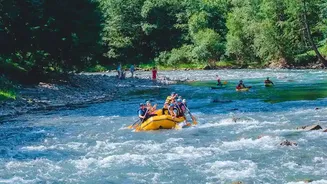
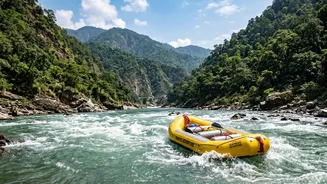
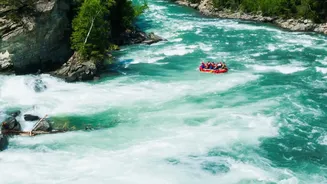
Rishikesh offers several rafting stretches with varying difficulty levels, measured in grades. For a beginner, especially when the river is still strong post-monsoon, it's wise to start with a milder route. The Brahmpuri to Rishikesh stretch (around 9 km) is the easiest, featuring Grade I and II rapids, making it ideal for families and first-timers. The most popular route is from Shivpuri to Rishikesh (around 16 km), which offers a moderate challenge with Grade II and III rapids like Roller Coaster and Golf Course. This stretch provides a fantastic mix of thrilling rapids and calm sections. Longer, more intense stretches like those from Marine Drive (25 km) or Kaudiyala (35 km) involve Grade IV rapids and are best left for experienced rafters.
Budgeting: How to Save Money Safely
A thrilling rafting experience doesn't have to break the bank. Prices vary by the length of the trip, but you can expect to pay around ₹600 for a basic 9 km stretch and between ₹800 to ₹1200 for the popular 16 km route. To get the best value, consider booking a package that includes rafting and riverside camping. These often provide better value with meals and accommodation included. Don't be afraid to inquire about group discounts if traveling with friends. Booking directly with a trusted operator rather than through a random agent on the street can also help avoid hidden fees. While negotiation is common, prioritize safety standards over getting the absolute lowest price.
What to Wear for Comfort and Safety
Your clothing can significantly impact your experience. The golden rule is to avoid cotton, as it absorbs water and makes you cold. Instead, opt for quick-drying synthetic fabrics. A synthetic t-shirt or rash guard and board shorts or leggings are ideal. For footwear, choose river sandals with secure straps or old sneakers; flip-flops are a definite no as they will get lost in the river. The rafting operator will provide the essential safety gear: a life jacket (Personal Flotation Device or PFD) and a helmet. Make sure both fit snugly. Leave all valuables like jewelry, wallets, and non-waterproof electronics behind.
Listen to Your Guide: The On-Water Rules
Once you're on the water, your guide is your leader. Pay close attention during the pre-trip safety briefing, where they will explain paddling commands and what to do if you fall into the water. Key commands like "forward," "backward," and "get down" help navigate the raft through rapids safely. Always wear your life jacket and helmet. It is strictly prohibited to consume alcohol before or during a rafting trip. If you do fall out, stay calm, float on your back with your feet pointing downstream, and listen for your guide's instructions for rescue. Teamwork is key, so paddle in sync with your fellow rafters to power through the exciting stretches of the Ganges.