







The New Economic Reality
In 2026, Indian households are navigating a complex financial landscape. While the economy shows robust growth, persistent inflation on essentials like food, fuel, and transportation continues to squeeze budgets. This pressure has made consumers more
value-conscious and careful about their spending. The old method of mental accounting no longer works when dozens of small, almost invisible UPI payments happen daily. People are realizing that to save effectively or invest for the future, they first need a clear, honest picture of where their money is going. This has created a fertile ground for tools that promise financial clarity, moving budgeting from an optional chore to a foundational habit for financial stability.
Smarter Than Ever with AI
Today's expense trackers are a world away from simple digital spreadsheets. The biggest leap forward is the integration of Artificial Intelligence (AI) and Machine Learning (ML). These aren't just for logging what you've already spent; they provide predictive insights and personalized advice. AI algorithms can analyze your spending patterns, identify recurring bills and subscriptions you might have forgotten, and even forecast your future cash flow. By learning from your financial behaviour, these apps can offer tailored recommendations, helping you spot savings opportunities or warning you about potential overspending before it happens. This shift from reactive tracking to proactive financial management is a game-changer for users.
Built for the Indian Wallet
A key reason for the boom is that these apps are now specifically designed for Indian financial habits. The most crucial feature is the ability to automatically parse transaction alerts sent via SMS by banks. Since almost every debit, from a credit card swipe to a UPI transfer, triggers a text message, these apps can build a comprehensive spending log with zero manual entry. This seamless automation is a massive time-saver. Furthermore, the best apps are built to understand the nuances of the Indian market, including deep integration with the UPI ecosystem, support for multiple regional languages in SMS alerts, and the ability to handle multiple currencies for freelancers and NRIs.
Beyond Just Tracking Expenses
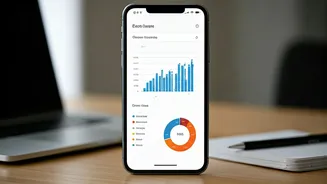
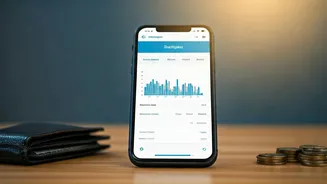
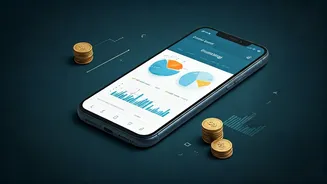
The functionality of these apps has expanded far beyond simple expense logging. Many now serve as all-in-one financial dashboards. They help you manage and even cancel recurring subscriptions, provide reminders for upcoming bill payments to avoid late fees, and allow you to set and track progress toward specific financial goals, like saving for a down payment or a vacation. Some apps offer features to split expenses with friends, monitor your credit score, or even integrate with investment platforms, providing a holistic view of your entire financial life. This comprehensive approach turns a simple tool into a powerful partner for overall financial wellness.
A Cultural Shift Towards Financial Wellness
Ultimately, the growing adoption of expense tracking apps reflects a broader cultural shift. Especially among younger generations, there's a growing desire for financial control and independence. The conversation is moving from just earning more to managing money more effectively. People are increasingly seeking financial stability and peace of mind in an uncertain world. These apps are popular because they empower users to take control, turning abstract financial goals into actionable, daily habits. They provide the clarity needed to reduce debt, increase savings, and make informed decisions, transforming budgeting from a restrictive chore into an act of financial self-care.