





The Illusion of an Empty Closet
It’s a bizarrely common modern problem: a wardrobe overflowing with garments, many with their tags still on, that somehow fails to provide a single suitable outfit. This isn't just about being picky. Studies and surveys reveal a startling gap between
what we own and what we use. In India, for instance, some reports suggest the average person wears only about 35% of their wardrobe regularly. This leaves a significant majority of clothing languishing in our closets, representing wasted money, space, and a constant, low-grade source of stress every morning. This phenomenon is directly linked to the overwhelming volume of options presented to us, leading to a state of paralysis and dissatisfaction.
The Engine of Endless Options
The culprit behind this overwhelming choice is the fast fashion business model. Where the industry once operated on two or four seasons a year, major brands now churn out 52 “micro-seasons”—a new collection every week. Companies can take a trend from the runway or social media and have it in stores in a matter of days. This relentless cycle is designed to create a constant feeling of needing the next new thing, using low prices and trend-focused marketing to encourage frequent, impulsive purchases. The constant influx of new styles creates an illusion of variety, but it’s a variety built on fleeting trends rather than lasting personal style, flooding our wardrobes with items that quickly feel dated or irrelevant.
When More Becomes Less
This is the “paradox of choice” in action, a concept popularised by psychologist Barry Schwartz. His theory argues that while some choice is good, too much choice leads to anxiety, decision fatigue, and dissatisfaction. When faced with hundreds of cheap, trendy options online or in-store, we become overwhelmed. The pressure to make the “perfect” choice is immense, often leading to impulsive buys we later regret. This cycle of dopamine-fueled shopping—the thrill of the new purchase—is short-lived, often replaced by buyer's remorse when the item doesn’t fit into our actual lives. The result is a closet full of individual “good deals” that don’t add up to a cohesive, functional wardrobe.
The Hidden Costs of Clutter
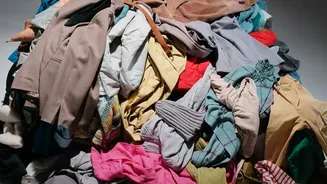
This overabundance doesn't just affect our wallets and our morning routines; it has a significant environmental price. The fast fashion industry is a major global polluter, responsible for a massive amount of textile waste. India, as a major textile producer and a growing consumer market, faces this challenge on both fronts, with discarded clothing contributing significantly to landfill waste. Many of these clothes, made from synthetic materials, will not biodegrade, leaching chemicals into the soil and water. Every unworn item in our closet is a symbol of the resources—water, energy, and labour—that were consumed to produce something that ultimately serves no purpose.
From Collecting to Curating
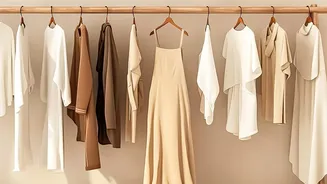
The antidote to this chaos isn't to stop loving clothes, but to shift from being a collector of disposable trends to a curator of personal style. This is the principle behind the “capsule wardrobe”—a smaller, more intentional collection of high-quality, versatile pieces that you love and that work together seamlessly. Building a capsule wardrobe reduces decision fatigue, saves money in the long run, and promotes a more sustainable approach to fashion. It’s about choosing quality over quantity and investing in items that truly reflect who you are, rather than chasing the fleeting high of the next trend. It means learning to be creative with fewer pieces and finding joy in a wardrobe that is both functional and expressive.