






A Red Carpet of Deals
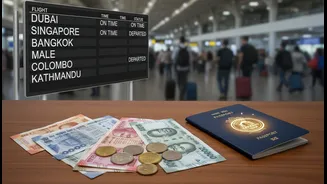
The push is comprehensive and hard to ignore. Airlines like Qatar Airways and Emirates are frequently launching fare sales, including promotions tied to Indian holidays like Republic Day. Beyond flights, hotels in destinations like Ras Al Khaimah are offering
packages that include complimentary upgrades, extended stays, and 'kids go free' deals, making family travel more accessible. The most significant change, however, is the simplification of travel bureaucracy. Saudi Arabia has introduced e-visas and visa-on-arrival options for Indians, drastically cutting down on paperwork. The entire region is moving towards a unified, Schengen-style visa, which would allow travellers to visit all six Gulf countries on a single application, a game-changer for multi-destination trips. This coordinated effort, from cheap flights to easy visas, is designed to remove every possible barrier for the Indian tourist.
The Indian Traveller Takes Centre Stage
So, why the intense focus on India? The answer lies in demographics and economics. India is home to a rapidly growing middle class with increasing disposable income and a strong appetite for international travel. For Gulf nations, this represents a vast, sustainable, and nearby tourism market. Dubai has long recognized this, with India consistently being its top source market for visitors; it welcomed 2.46 million Indian tourists in 2023 alone. Other Gulf states are now aggressively following suit. Saudi Arabia's tourism authority has stated a clear ambition to make India its number one inbound market by 2030, with a target of attracting 7.5 million Indian visitors annually. This isn't a short-term trend; it's a long-term strategic pivot, recognizing Indian tourists as some of the world's highest spenders per trip.
From Transit Hub to Main Destination
For decades, many Indian travellers saw Gulf airports primarily as transit hubs for long-haul flights to Europe or North America. The new strategy aims to change that perception fundamentally. Countries are investing billions in becoming standalone holiday destinations. Qatar is actively promoting stopover packages that turn a layover into a 'mini-holiday'. Abu Dhabi has transformed Yas Island into an entertainment powerhouse with Ferrari World, Warner Bros. World, and SeaWorld. It's also developing a significant cultural district, with the upcoming Guggenheim Abu Dhabi and Zayed National Museum set to join the Louvre Abu Dhabi. This massive investment in attractions is a clear signal: the Gulf no longer wants to be just a stop on the way; it wants to be the final destination.
An Experience Curated for India
This charm offensive goes beyond infrastructure and into the very fabric of the travel experience. Destinations are carefully curating offerings to appeal directly to Indian tastes. The familiarity of food is a major draw, with Indian cuisine widely available. But the cultural connection runs deeper. The UAE's hosting of the Indian Premier League (IPL) and the use of Bollywood stars in tourism campaigns have resonated strongly with Indian audiences. In Saudi Arabia, tourism officials are highlighting the country's rich heritage sites like AlUla, knowing that heritage-focused travel is a major preference for Indian tourists. Even the hospitality sector is adapting, with a growing focus on hosting large, elaborate Indian weddings, a high-yield segment that can fill entire resorts for days.
The New Player: Saudi Arabia's Vision
While Dubai has been a long-time favourite, the most ambitious new player is Saudi Arabia. As part of its Vision 2030 plan to diversify its economy away from oil, the Kingdom is making an unprecedented push into tourism, with India at the core of its strategy. Having welcomed 1.5 million Indian tourists in 2023—a 50% increase from the previous year—the country has massively increased air connectivity with India and is holding roadshows and networking events in major Indian cities to build relationships with travel operators. By launching new digital platforms for travel planning and simplifying visa processes, Saudi Arabia is aggressively competing for a slice of the Indian outbound travel market, positioning itself as a destination for leisure, culture, and spiritual journeys.